Remove Food Sources from the Menu
Many homeowners use their garage for overflow pantry storage or to keep large bags of pet food and birdseed. Unfortunately, pests aren't picky eaters. An open or loosely closed bag of dog food is a feast for insects and rodents. Once they find a reliable food source, they are more likely to nest nearby and multiply. To prevent your garage from becoming a popular neighborhood diner for pests, store all food items in sealed, airtight containers. This includes pet food, birdseed, grass seed, and any non-perishable human food. Hard plastic or metal containers are more effective than bags or cardboard boxes, which can easily be chewed through.
Eliminate Moisture and Standing Water
Insects, especially mosquitoes, are drawn to moisture and standing water for drinking and breeding. Even a small amount of water in a plant saucer or on a garbage can lid can become a nursery. A garage can be a surprisingly damp environment. Rain can blow in under the door, condensation can form on concrete floors, or a nearby hose spigot might have a slow leak. Make a habit of inspecting your garage for wet spots. Dry up any spills promptly, and check for sources of chronic moisture. Ensure gutters above the garage are clear and directing water away from the foundation. A dry garage is much less attractive to pests.
Inspect and Seal Cracks in Walls and Foundations
Bugs can squeeze through surprisingly small openings. Before they even reach your garage door, they may find a way in through tiny cracks in the walls, foundation, or around windows and utility entry points. Take a walk around the interior and exterior of your garage and look for any visible gaps or cracks. A tube of caulk or sealant is an effective tool for closing these entryways. Pay close attention to the area where the foundation meets the wall framing and any points where pipes or wires enter the garage. Sealing these gaps is a simple but critical step in creating a pest-proof barrier for your home.
Reduce Clutter and Hiding Spots
Pests love clutter. Stacks of cardboard boxes, piles of firewood, and general storage accumulation create dark, undisturbed hiding places perfect for spiders, roaches, and rodents. Cardboard in particular can attract pests as it absorbs moisture and provides nesting material. To make your garage less hospitable, aim to reduce clutter. Store items in sealed plastic bins instead of cardboard boxes. Keep storage organized on shelves off the floor. If you store firewood, keep it as far from the house as possible. A tidy, well-organized garage eliminates the shelters that bugs seek, encouraging them to move on to a more inviting location.
Ensure Your Garage Door Seals Are Intact
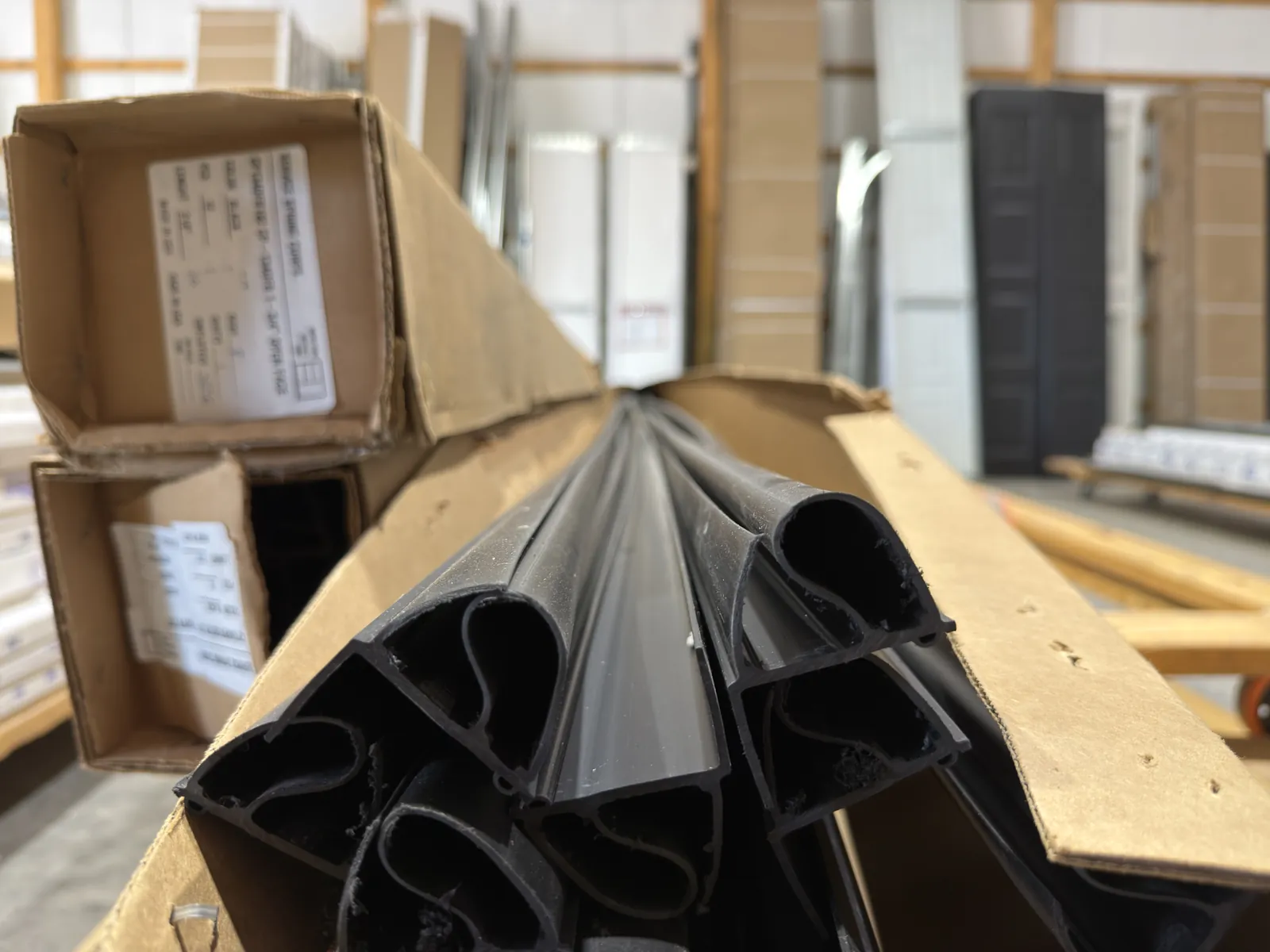
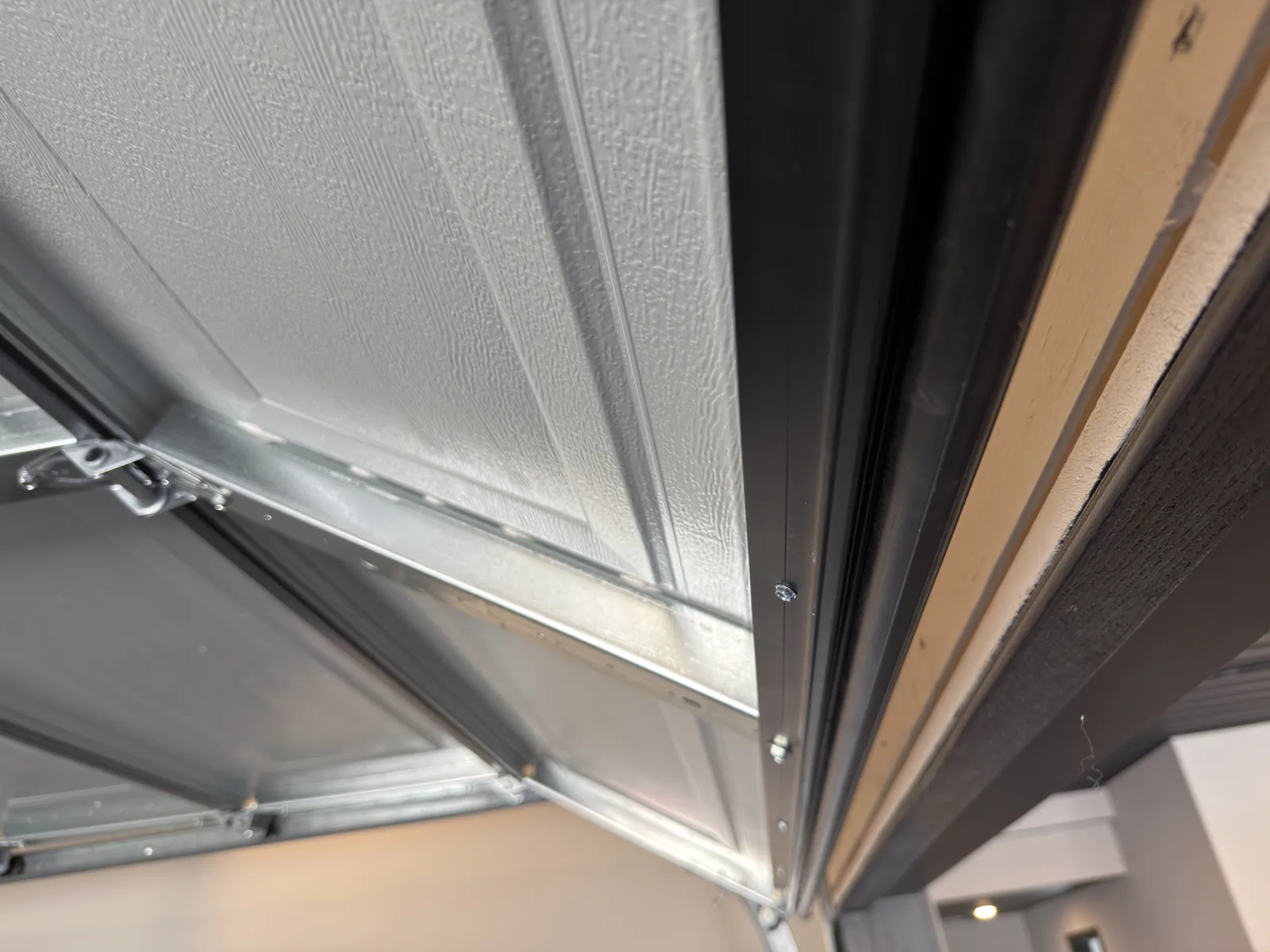
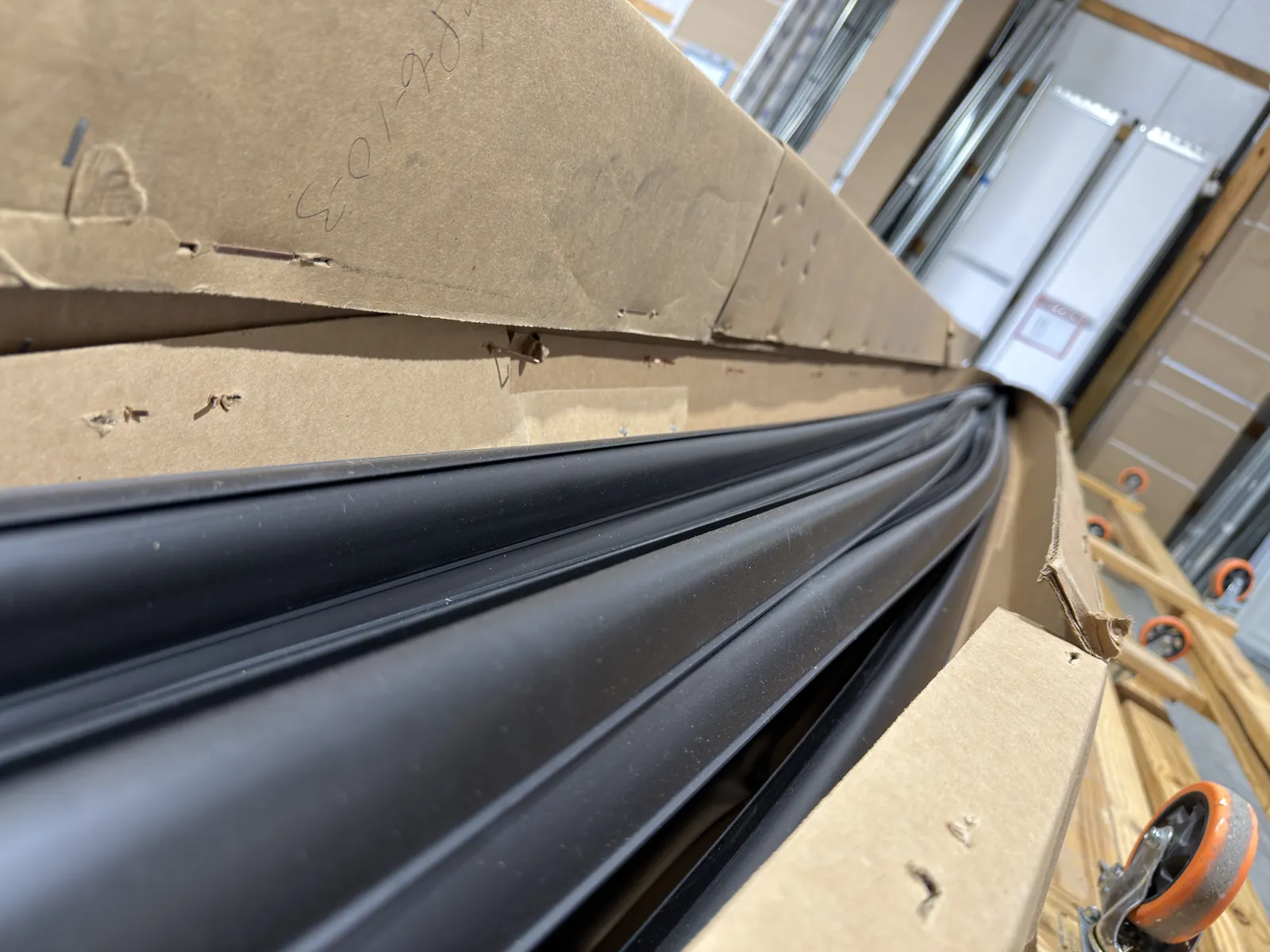
Your garage door is the largest and most complex potential entry point. The primary line of defense is its weatherstripping system. This includes the flexible rubber or vinyl seal along the bottom of the door (the bottom astragal) and the seals that run along the top and sides of the door frame (the perimeter seals). Over time, these seals can become brittle, cracked, warped, or compressed from sun exposure and use. Inspect your seals regularly. Look for visible damage or areas where you can see daylight from inside the garage when the door is closed. A damaged seal not only allows bugs, dirt, and water to enter but can also impact your home's energy efficiency. While a visual check is easy for a homeowner, replacement requires precision to ensure a proper fit without affecting the door's balance and safe operation.
Use Targeted Pest Controls Alongside Sealing and Cleaning
Ant traps near the garage exterior and insecticides labeled for garage baseboards can supplement your prevention efforts. Use each product only where its label permits, follow all application directions, and keep it out of reach of children and pets. Avoid treating every surface simply because insects are present.
These measures do not close entry gaps or remove the food and moisture that attract bugs. Keep sealed storage, dry surroundings, and intact door seals as your foundation, with targeted pest controls as an additional measure where needed.