The Different Brackets and Their High-Stress Jobs
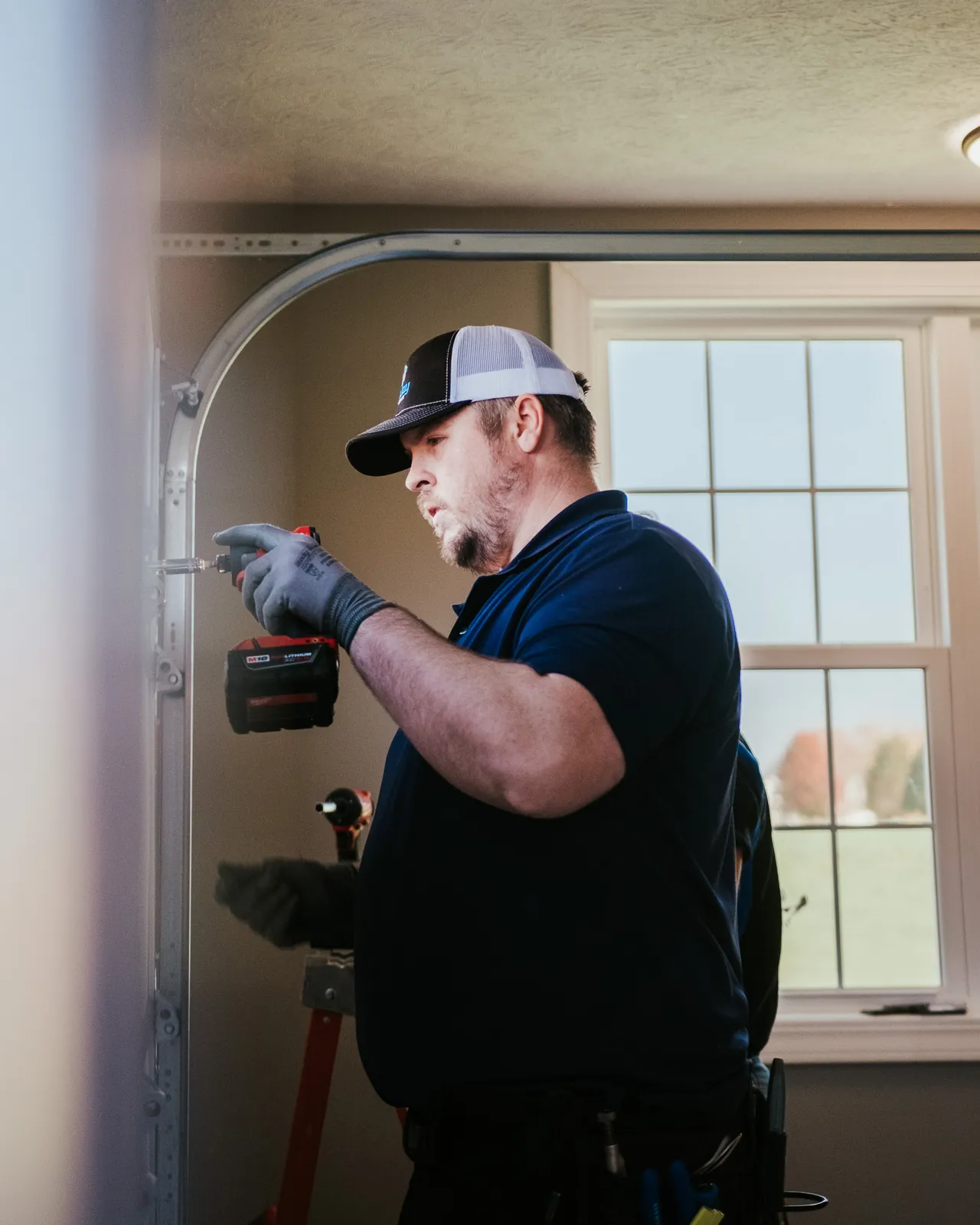
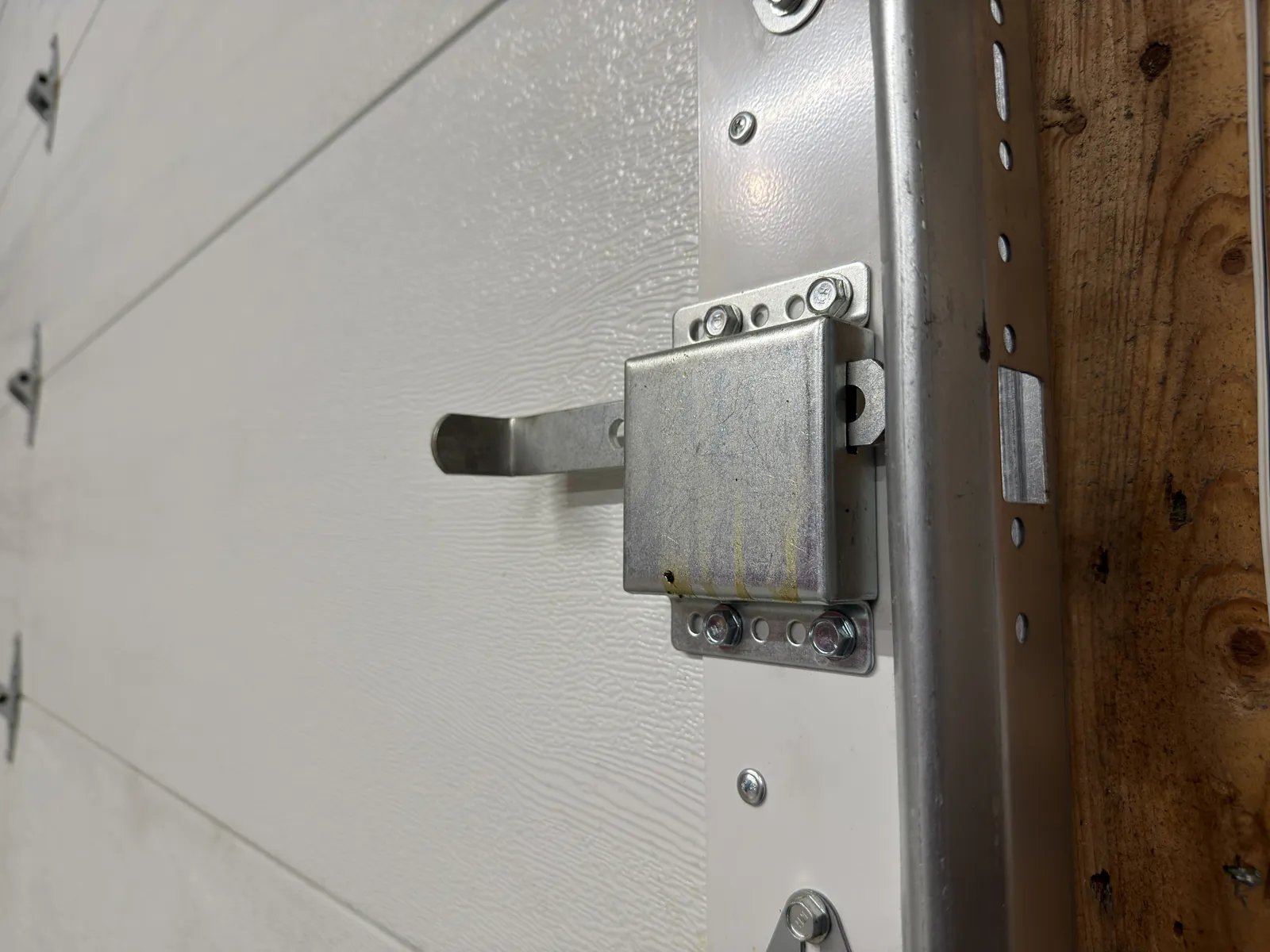
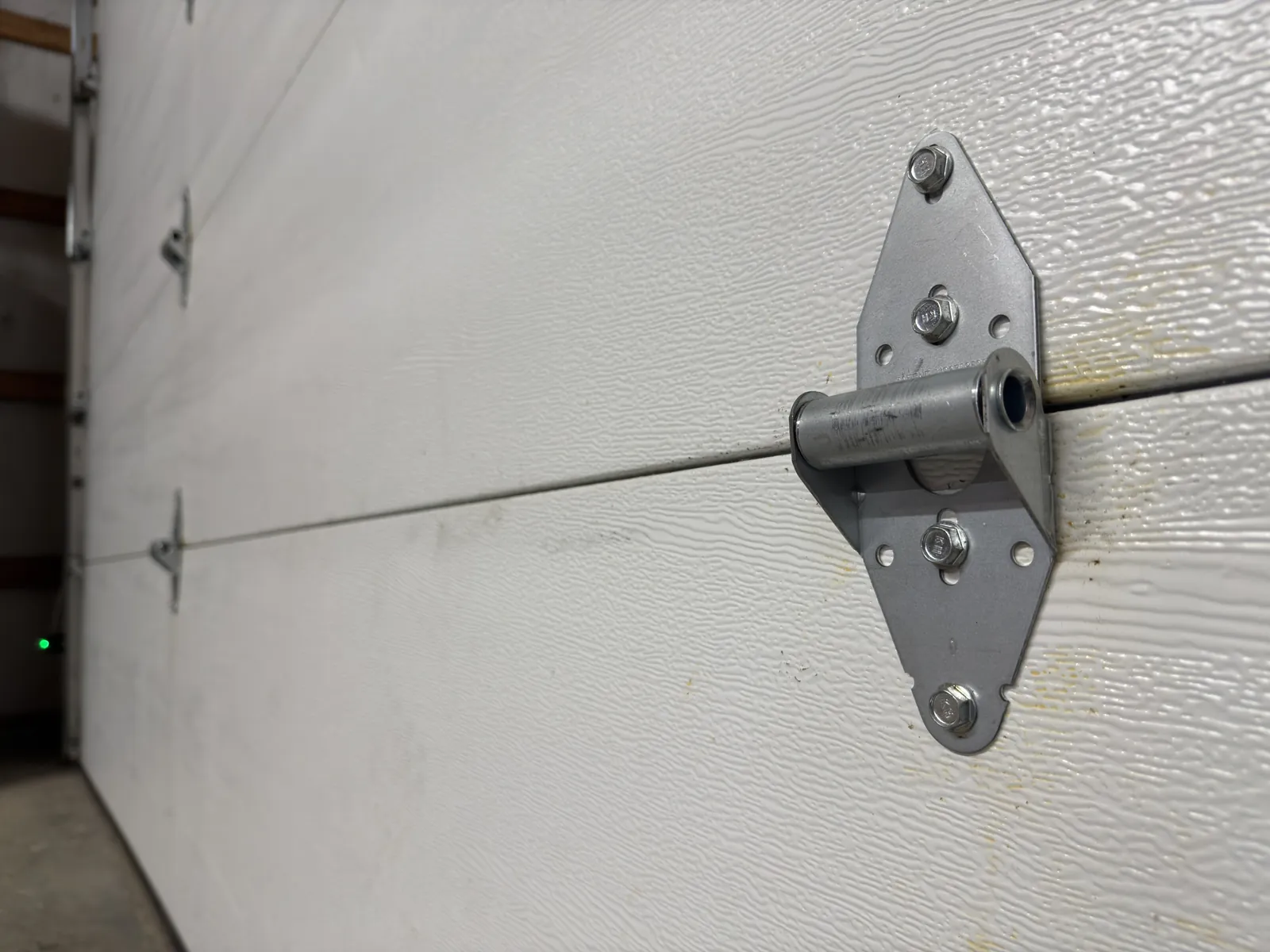
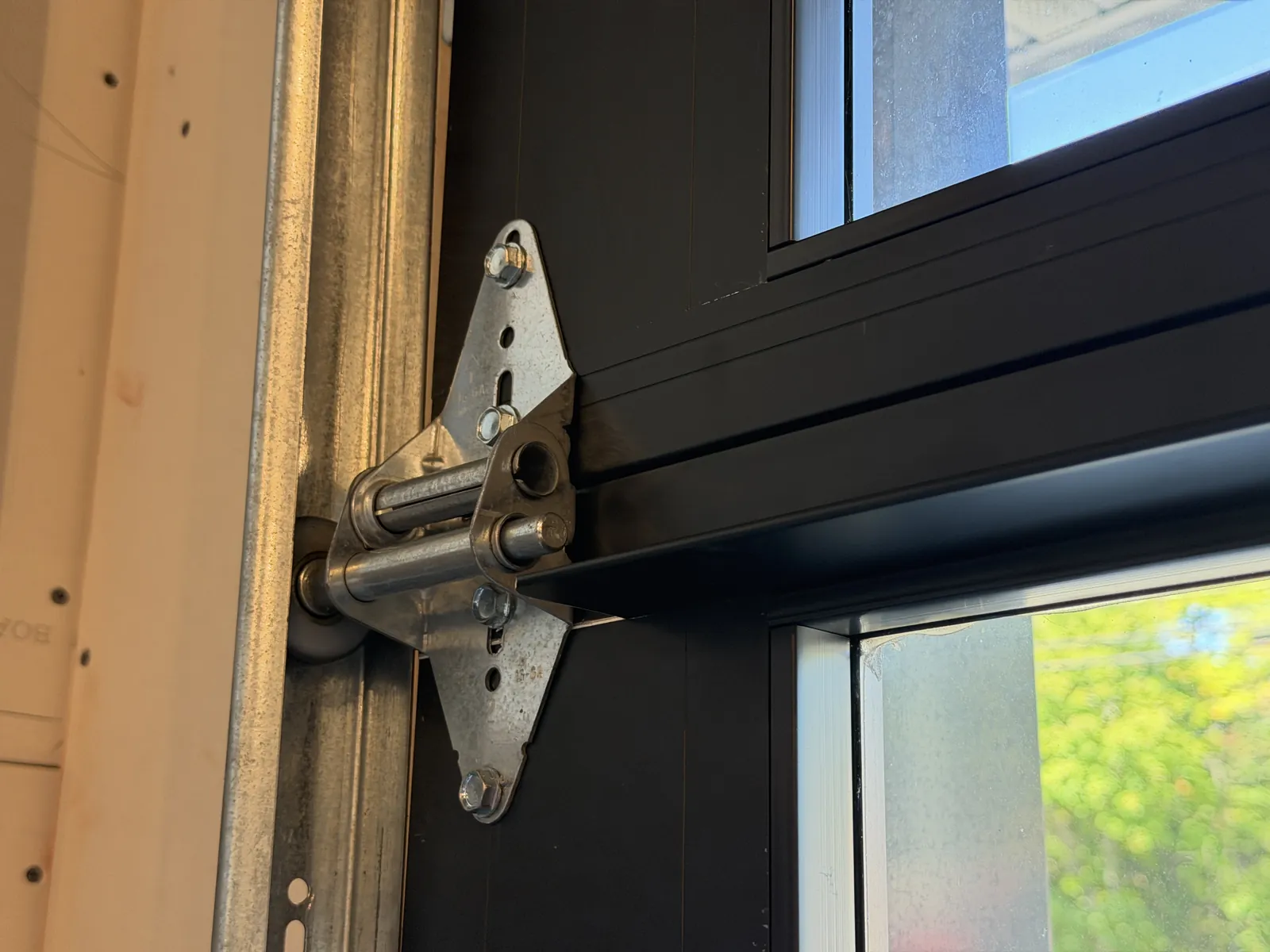
Your garage door system uses several types of brackets to function. Top brackets (or fixtures) connect the top of the door to the rollers. Track brackets anchor the vertical and horizontal tracks to your garage walls and ceiling, guiding the door as it moves. Most importantly, bottom brackets are found at the lower corners of the door and hold the lift cables, which are under extreme tension from the spring system. A failure in any of these components can destabilize the entire door. Because they are directly linked to the high-tension springs and cables, bottom brackets are especially dangerous. Never attempt to adjust, loosen, or remove them yourself, as a sudden release of force can cause severe injury. All bracket repairs should be handled by a qualified technician.
Failure from Cumulative Wear and Environmental Factors
A garage door moves thousands of times throughout its service life. Each open-and-close cycle places strain on every part, including the brackets and their fasteners. Over time, this repetitive stress can cause metal fatigue, leading to cracks or fractures. Environmental conditions in Middle Tennessee & Southern Kentucky can also play a role. Humidity may lead to corrosion, especially if a bracket's protective coating is scratched or worn away. Rust weakens the structural integrity of both the bracket and the bolts securing it, making it much more likely to fail under the door's operational forces.
Accidental Impacts and Hidden Damage
One of the most frequent reasons for bracket failure is physical impact. Accidentally bumping the garage door or its tracks with a vehicle, lawnmower, or other heavy object can cause more damage than is immediately apparent. Even a seemingly minor hit can bend a track, loosen a bracket's fasteners, or warp the bracket itself. This damage creates new stress points and throws the door's alignment off. The door might continue to function for a time, but the compromised part is significantly weakened and could break without warning, causing the door to jam, bind, or fall.
Issues from Improper Installation or Mismatched Parts
A garage door is a precisely balanced system, and using the correct hardware is non-negotiable for safety. If a bracket is replaced with a mismatched or improperly rated part, it can create a dangerous imbalance. This forces some components to bear more weight and stress than they were designed to handle, leading to premature failure. Brackets can pull away from the door panel, bend, or snap under the uneven load. Professional service ensures that all hardware is correctly sized for the door’s weight and securely fastened for safe, reliable operation.
The Domino Effect of Other Failing Components
Because all garage door parts work together, a problem with one component can quickly overload another. For instance, if a lift cable frays or a torsion spring breaks, the door's weight can shift suddenly and violently. This immense force is often transferred directly to the brackets, which can be ripped from the door or bent out of shape. If you ever hear a loud bang from your garage—a common sign of a broken spring—or see a loose or broken cable, stop using the door immediately. The entire system is now unstable, and its brackets are likely under a dangerous amount of strain.
Maintenance That Helps Reduce Strain on Brackets
Neglected moving hardware and debris buildup can make a garage door bind rather than travel smoothly, adding strain to its supports. With the door closed and stationary, visually check accessible brackets for cracks, corrosion or separation from their mounting points. Clear accessible debris from the tracks without bending them, and lubricate hinges and rollers only as directed by the door manufacturer. Do not grease the tracks or assume every bracket needs oil.
Professional maintenance can help identify worn hardware or damage that is difficult to spot from the floor. A technician can check bracket condition, mounting points and door alignment together rather than treating a damaged bracket as an isolated problem. If you notice bent hardware, missing fasteners or an uneven door, stop using it and leave repairs to a professional; cleaning or lubrication will not make a damaged bracket safe.