
First Step: Deciding Between Repair and Replacement
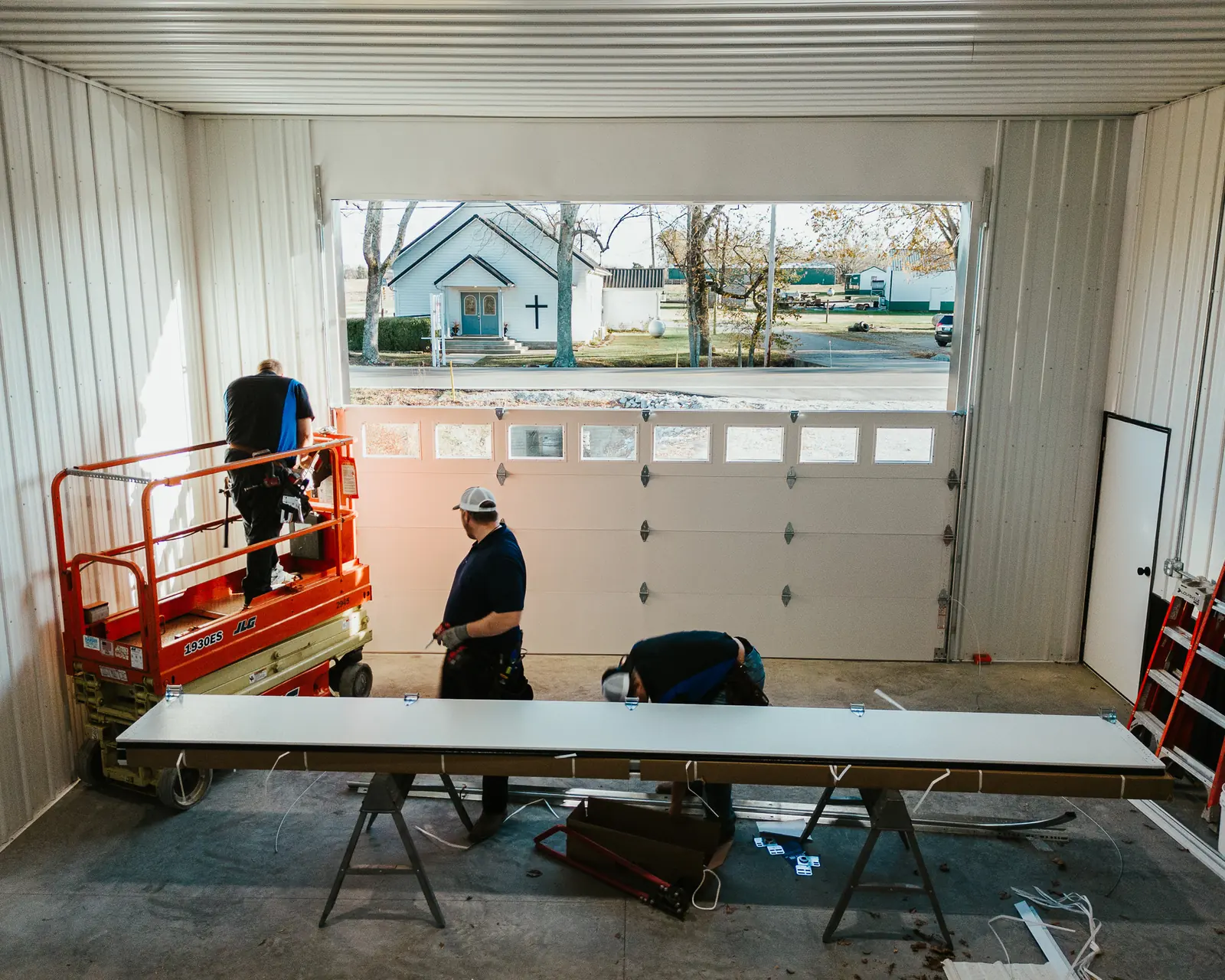
The first question many homeowners face is whether to fix their existing garage door or invest in a new one. The answer often depends on the age of the door, the extent of the damage, and your long-term goals. While a single damaged panel on a newer door might be a straightforward replacement, widespread issues like extensive rust, warping, or multiple dented sections can be more difficult and less cost-effective to address. An older door may also lack modern safety features or insulation. A professional technician can thoroughly inspect your door's condition, including its panels, hardware, and structural integrity, to give you a clear picture of its health and help you weigh the pros and cons of repairing versus replacing.
Defining Your Needs: Materials, Insulation, and Style
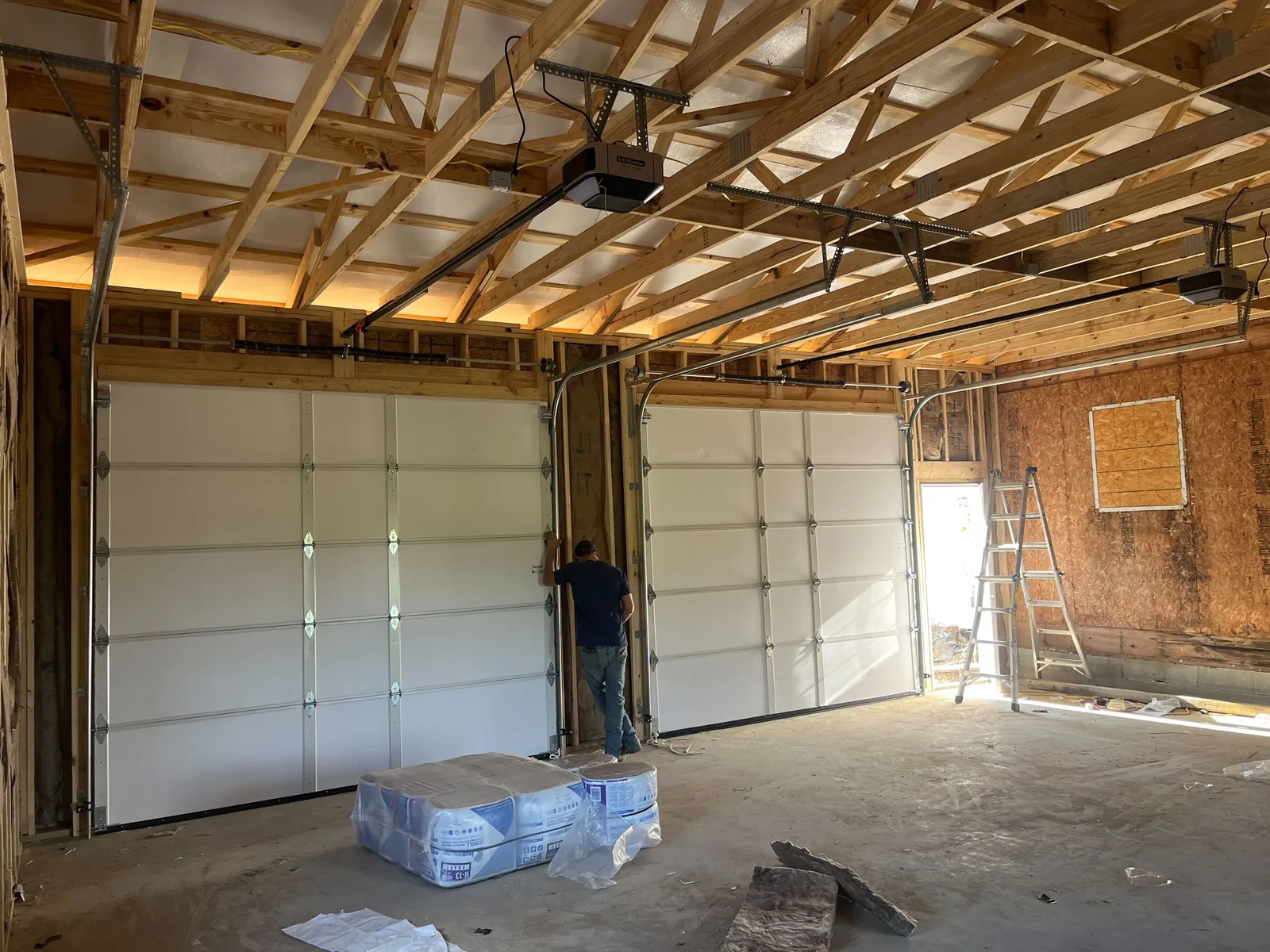
Once you decide to pursue a new door, the fun part begins: choosing a style that complements your home. Your garage door is a large canvas that can dramatically boost your home's curb appeal. Consider the architectural style of your house when selecting materials, colors, and designs.
Think about these key elements:
Your choice will affect not only the look but also the maintenance requirements and durability of your new door. An insulated door, for example, can help moderate temperatures in your garage and make the door stronger and quieter.
For detailed styles and brand choices, explore our new residential garage doors page, then bring your preferences to the consultation.
- Material: Steel is a popular choice for its durability and low maintenance. Wood offers a classic, high-end look but may require more upkeep. Aluminum and glass doors provide a modern, sleek appearance.
- Insulation: An insulated garage door can improve durability and reduce noise. Insulation is measured by its R-value; a higher R-value indicates greater thermal resistance.
- Windows & Hardware: Adding windows can bring natural light into your garage and add character. Decorative hinges and handles can complete the look, matching your home's aesthetic from carriage house to contemporary.
Getting the Right Fit: The Importance of Professional Measurement
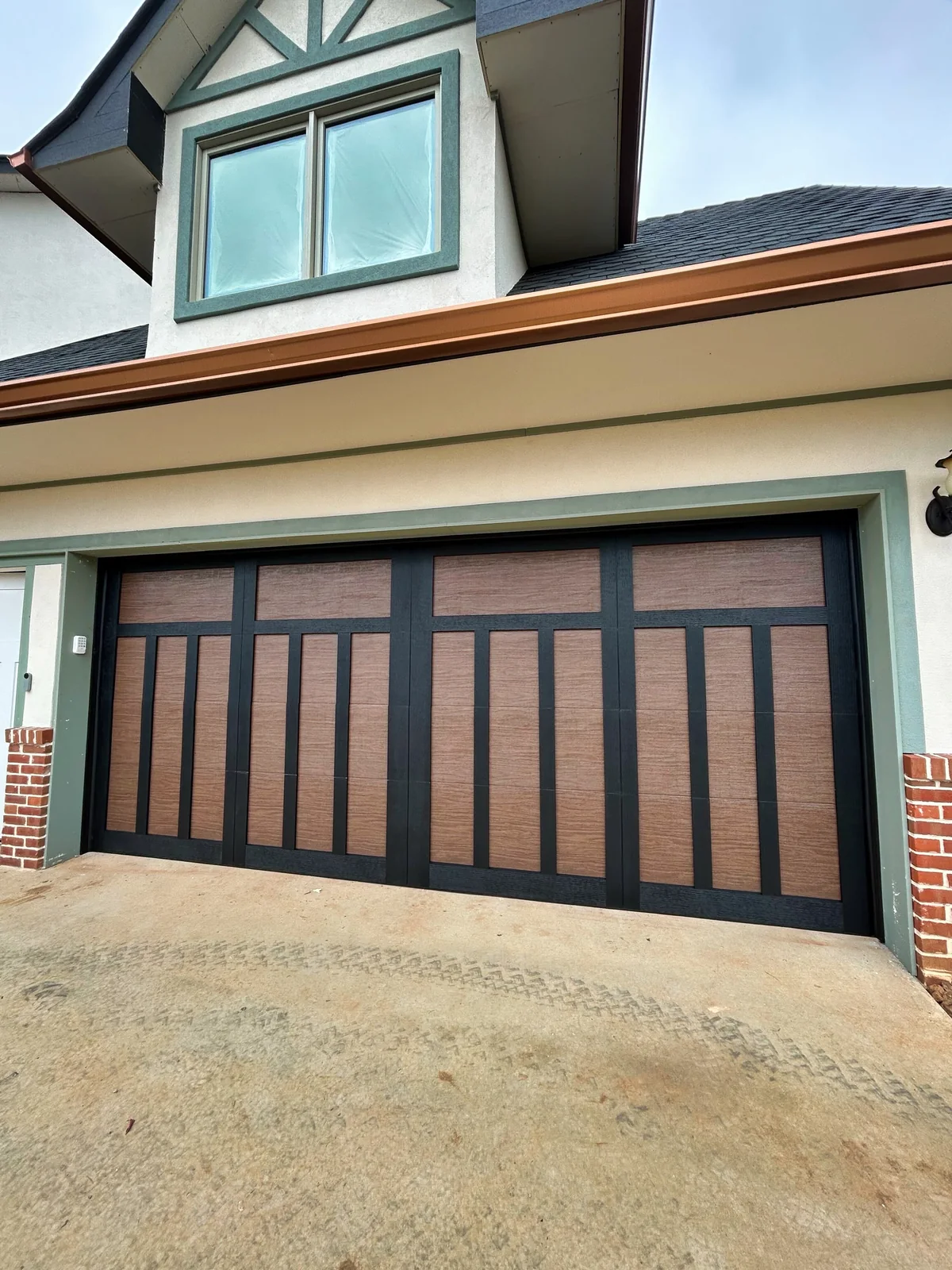
A properly fitting garage door is essential for smooth operation, a good seal against the elements, and overall security. While there are standard single and double-car garage door sizes, every garage opening is slightly different. Factors like an unlevel floor, the condition of the door frame, and the available space above the opening (headroom) and inside the garage (backroom) all influence the final fit. A professional will take precise measurements of the opening's width and height, as well as the side room, headroom, and backroom. This ensures the door, tracks, and springs will all fit and function correctly without conflict, creating a weathertight seal and preventing operational issues down the road.
Pairing Your Door with the Right Opener
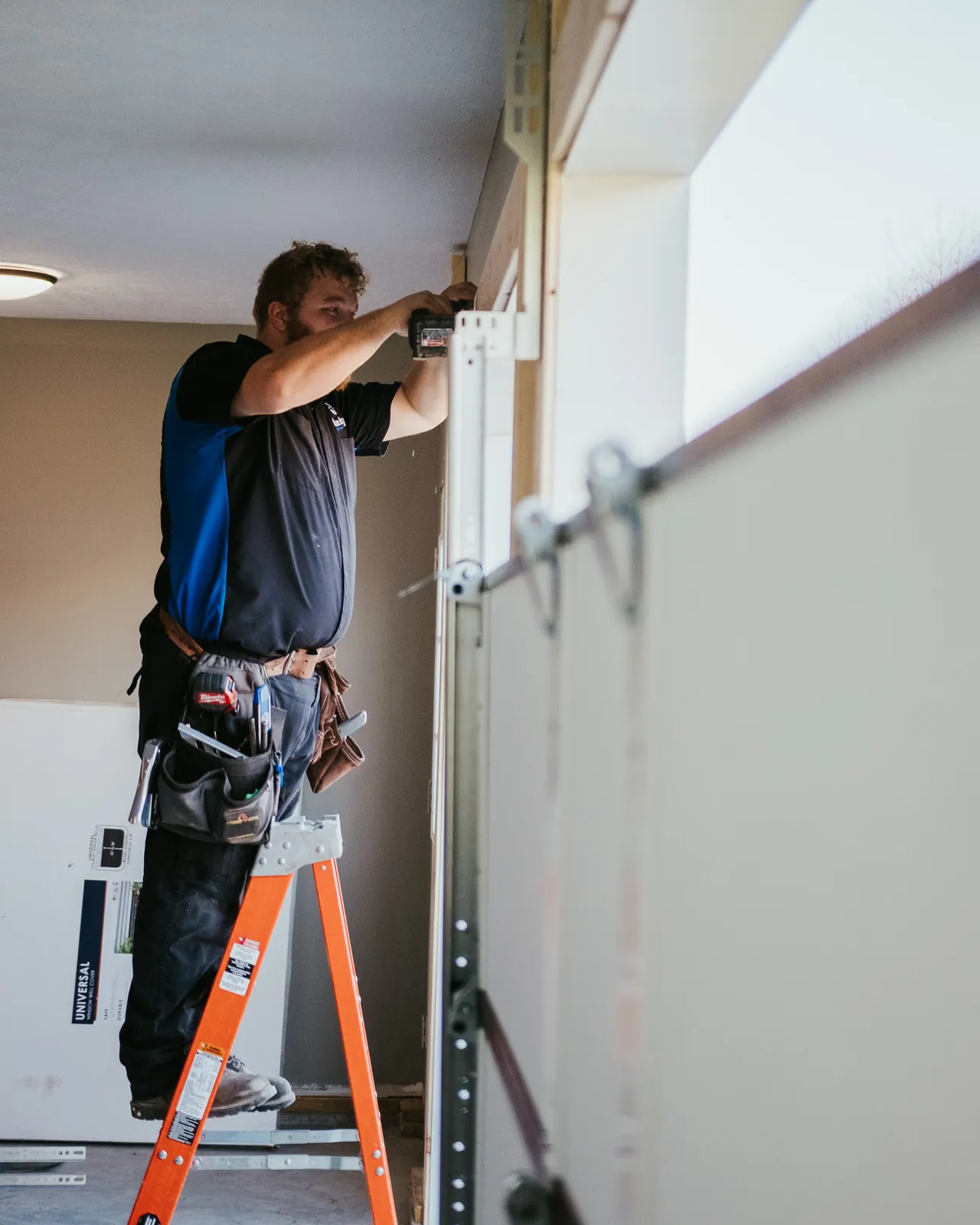
Your garage door opener is the engine that powers your door, so it's a critical part of the system. If you're getting a new garage door, it's the perfect time to evaluate your current opener. A new, heavier, or better-insulated door may require a more powerful motor to lift it safely and efficiently. Furthermore, modern openers offer features that can significantly improve your quality of life. Wi-Fi connectivity allows you to monitor and control your garage door from a smartphone, while a battery backup system ensures you can still get in and out during a power outage. A professional can help you determine if your existing opener is sufficient or recommend a new model that's perfectly matched to your new door.
What to Expect During an On-Site Consultation
The purpose of a professional consultation is to gather all the information needed to provide you with an accurate and comprehensive plan. When a technician visits your home, they are doing much more than just measuring. They will inspect the physical condition of your garage, including the door jambs, header, and floor, to ensure they can support a new installation. They will discuss your goals for functionality, style, and insulation. This is your opportunity to ask questions, view material samples, and explore different design options. Based on this thorough evaluation, the technician can present you with a detailed proposal outlining the scope of work and the specific products recommended for your home.
If you are comparing ways to pay, explore financing options before choosing a project.