How Lift Cables Help Your Door Move
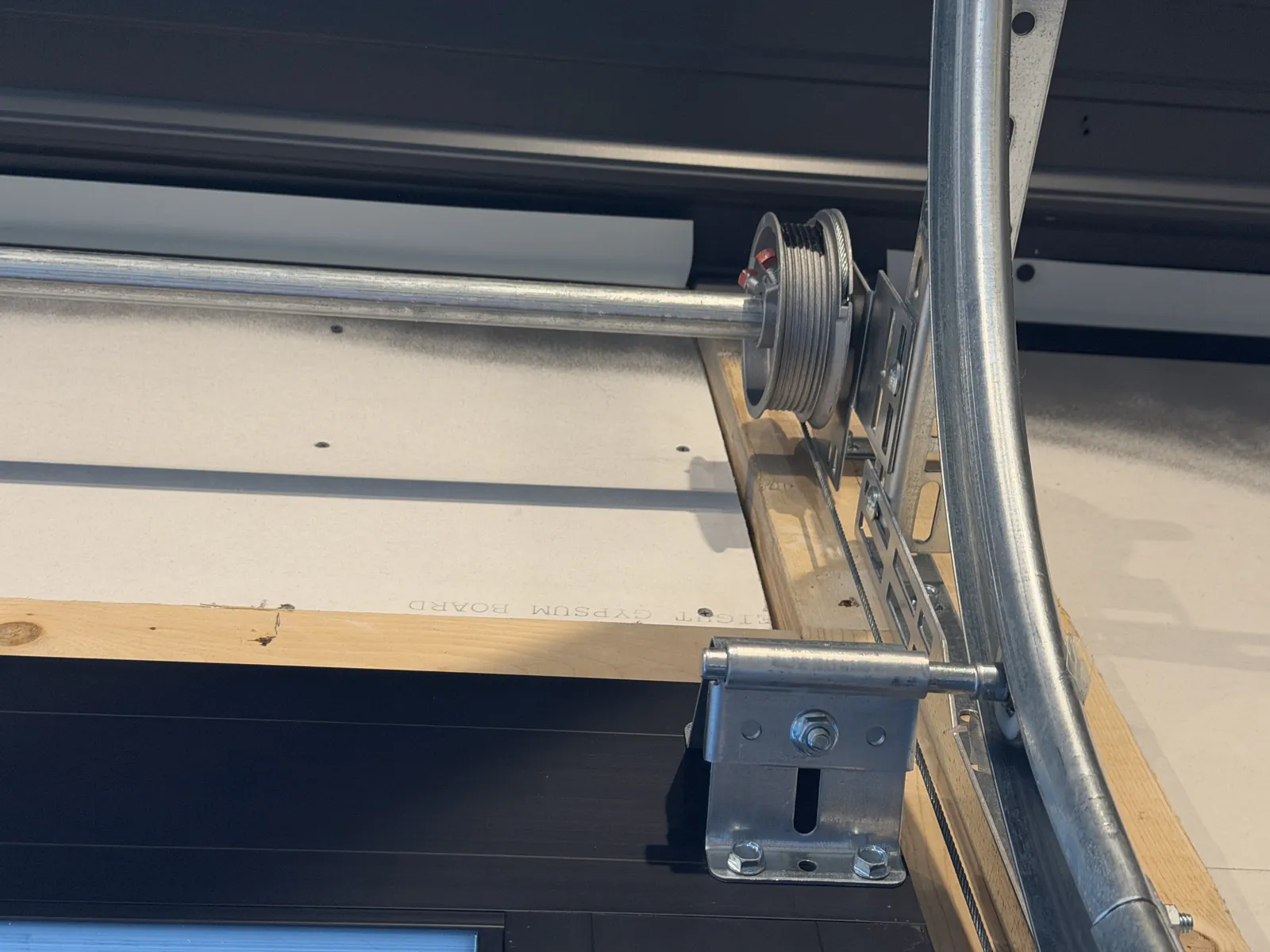
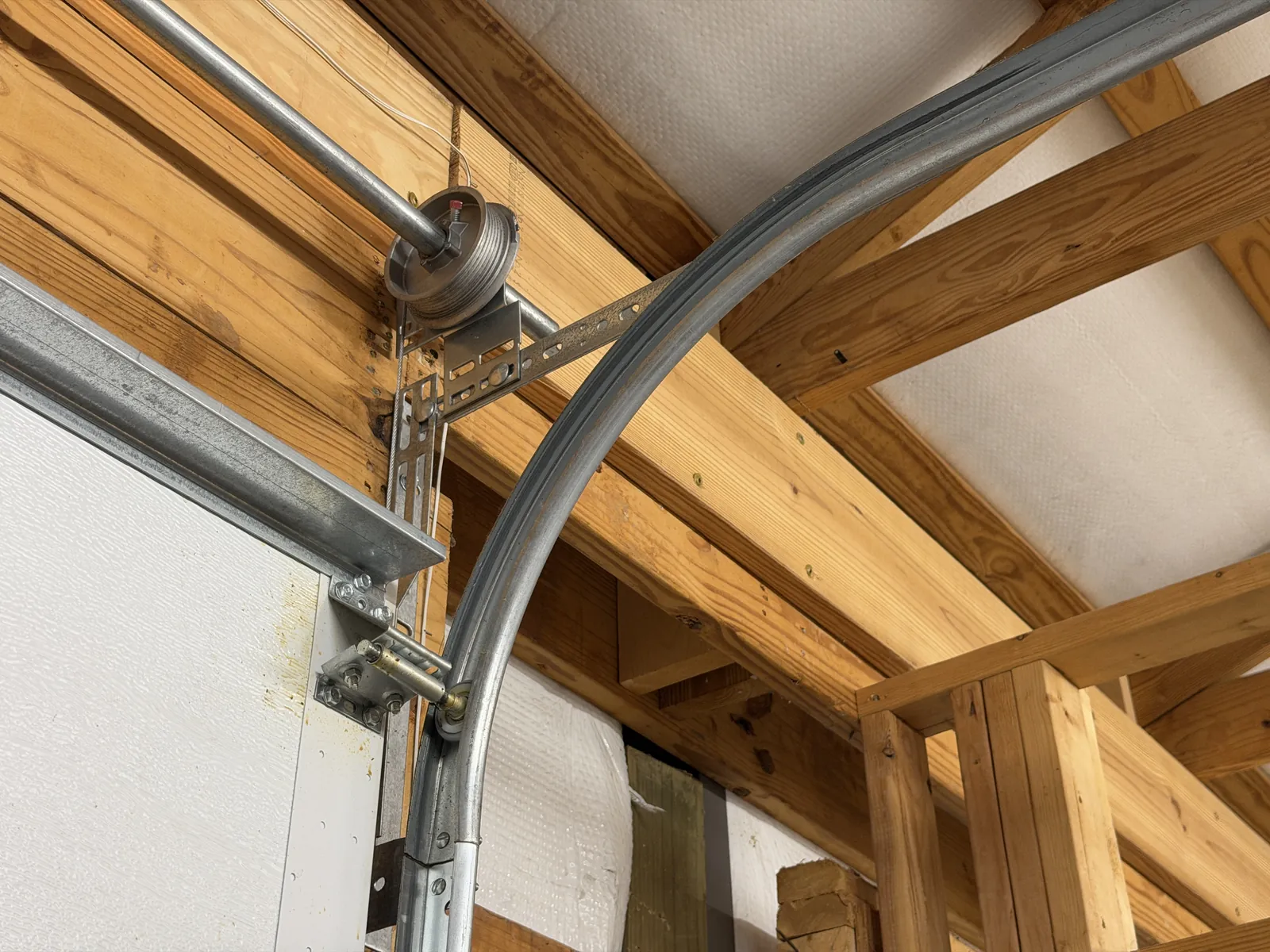
Garage door cables are high-tension steel wires that serve as the critical link between the spring system and the door itself. On most modern garage doors, the lift cables are attached to brackets at the bottom corners of the door. From there, they run up to a set of drums, which are cylindrical spools located on the ends of the torsion spring bar above the door. When the opener is activated or you lift the door manually, the springs unwind, causing the torsion bar and the drums to rotate. This rotation winds the cables onto the drums, which pulls the door upward in a balanced and controlled motion. When the door closes, the process reverses, and the cables unwind under tension to lower the door without letting it slam.
While their function is consistent, the cable configuration depends on your garage door's spring system. Torsion spring systems, the most common type, use one cable on each side of the door. Extension spring systems, which have springs stretching alongside the horizontal tracks, use a more complex arrangement of cables and pulleys to achieve the same lifting action. Regardless of the system type, the cables are responsible for carrying the entire weight of the door as it moves, making their condition vital for both performance and safety.
Warning Signs of a Failing Garage Door Cable
A problem with your garage door cables is a serious safety issue. If you notice any of the following signs, STOP using the door immediately. Do not attempt to operate it with the remote or wall button, and do not try to lift it by hand. A door with a compromised cable can become unbalanced and fall unexpectedly. Keep people, pets, and vehicles clear of the door until a qualified technician has inspected and secured the system.
- A Crooked or Sagging Door: If one side of the door is hanging lower than the other, a cable has likely snapped or come off its drum.
- Visible Fraying or Damage: Look for broken wires, kinks, or significant rust along the length of the cables. Any visible degradation is a red flag.
- Loud Noises: Grinding, scraping, or banging sounds during operation can indicate a cable is rubbing against the track or has already broken.
- Door Off Its Tracks: A loose or broken cable can cause the rollers to pop out of their tracks, jamming the door and creating an unstable situation.
- Loose Cable Loops: If you see a slack cable hanging near the top of the door, it has lost tension and is no longer supporting the door's weight.
Common Causes of Cable Damage
Garage door cables can fail for several reasons, often related to stress, environment, or issues with other parts of the system. The most common cause is simple wear and tear; after thousands of cycles of lifting and lowering a heavy door, the steel wires can begin to fatigue and fray. Corrosion is another major factor, as humidity and moisture can cause rust that weakens the cables over time. An improperly balanced door or a failing spring can also put excessive, uneven strain on one or both cables, leading to premature failure. Finally, physical impact, such as a car bumping into the door, can knock a cable loose or damage other components in the system, which in turn affects the cables.
Why Cable Repair Is a Job for Professionals
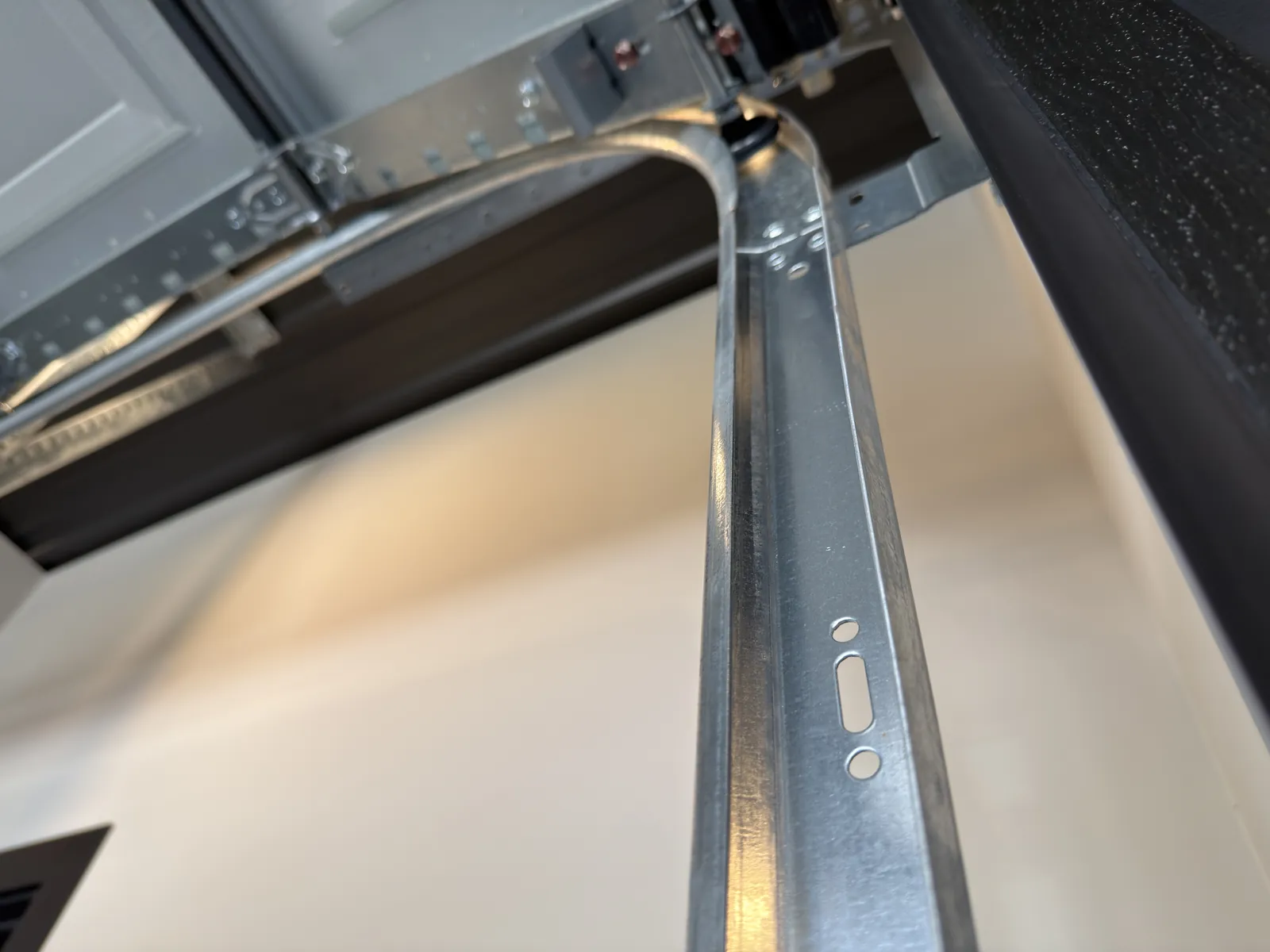
It cannot be stressed enough: garage door cable replacement is not a DIY project. The cables, along with the bottom brackets and drums they connect to, are under extreme tension from the garage door springs. This tension is necessary to counterbalance the door's weight, but it also makes these components incredibly dangerous to adjust or remove without specialized tools and training. Attempting to replace a cable can cause the spring to release its energy uncontrollably, potentially launching parts across the garage or causing the door to slam shut. This can result in serious personal injury and significant property damage. For your safety, always entrust cable repairs and replacements to a trained and experienced garage door technician.
Cable Care Without Handling Tensioned Parts
Routine cable care starts with observation, not adjustment. From a safe position, look at the visible cables without touching them or moving the door to expose hidden areas. Leave cable and pulley maintenance, spring-tension checks, and a thorough system inspection to a garage door technician. If you spot damage or an uneven door, stop using it until it has been inspected.
Avoid attaching heavy items to the door: added weight changes the load that the springs and cables must support. Weather exposure can also affect cable condition, so ask a technician whether your door’s exposure calls for additional maintenance.