
More Than Just Temperature Control
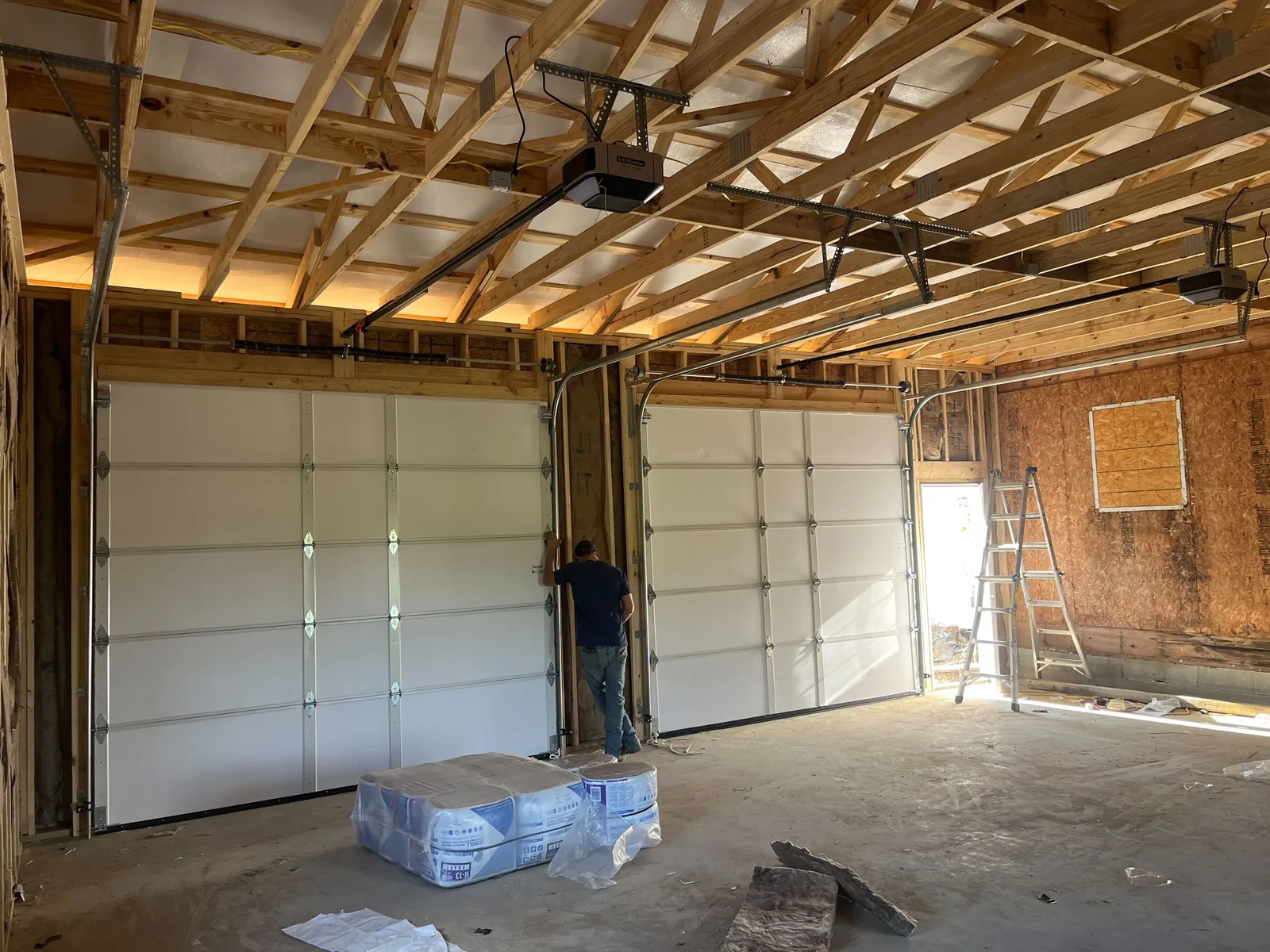
Beyond making your garage more comfortable year-round, insulation offers several practical advantages. It adds rigidity and strength to the door panels, making them more resistant to dents and daily wear. The added layer also provides sound-dampening qualities, helping to reduce noise from street traffic, lawnmowers, and neighborhood activity. For homeowners with an attached garage, this can mean a quieter home environment. Furthermore, an insulated door can help protect sensitive items stored in your garage—like vehicle batteries, fluids, and paints—from the effects of extreme temperature fluctuations.
- Contributes to thermal efficiency, especially in attached garages.
- Adds strength and durability, helping to resist dents and damage.
- Reduces the amount of outside noise that enters your garage and home.
- Protects stored items from extreme heat and cold.
- Can be an attractive feature for potential home buyers.
Is Insulation Always the Right Choice?
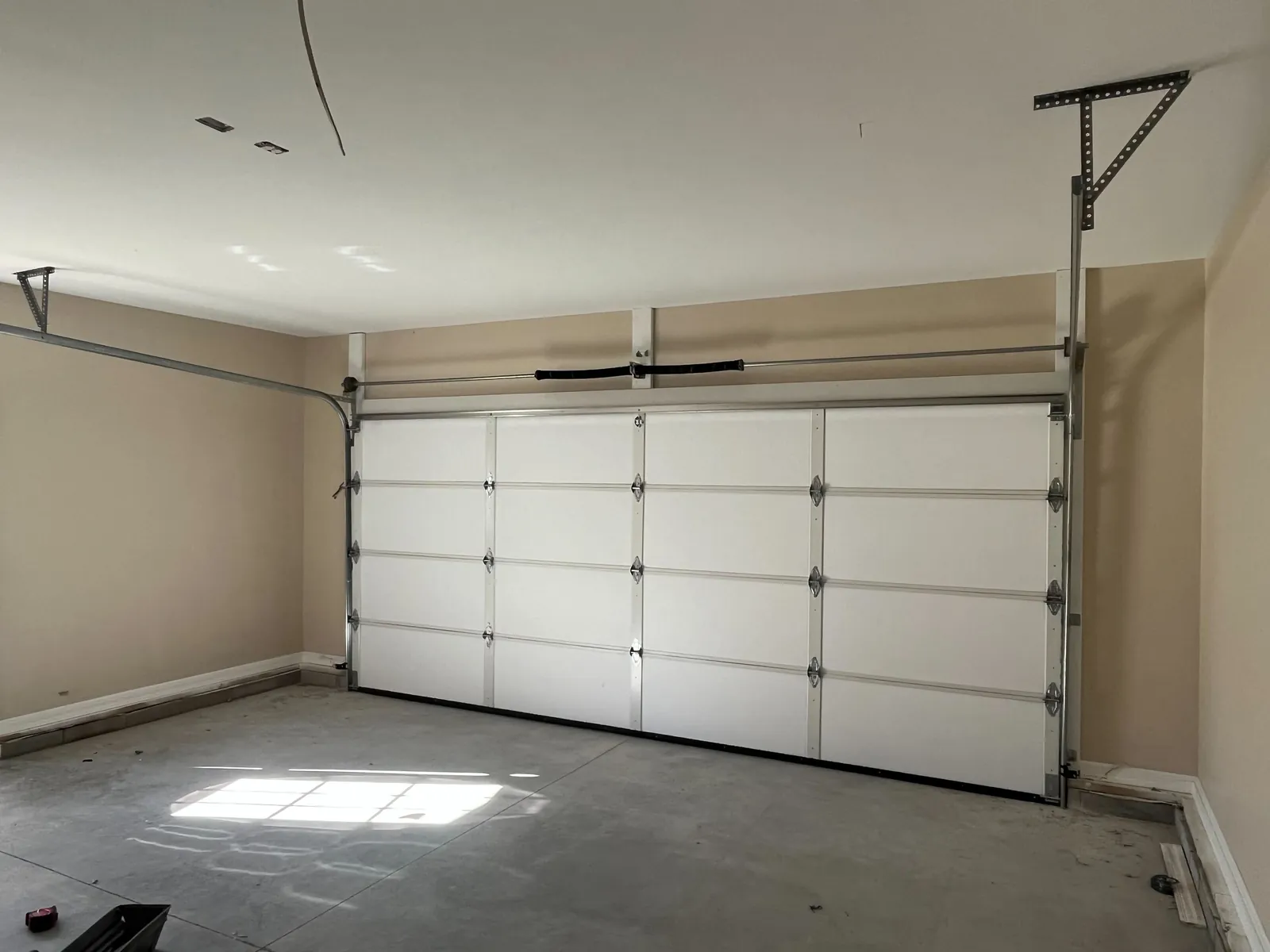
Before you decide to insulate, consider your garage's complete structure. If you have a detached garage that isn't used as a living or working space, the benefits of insulation might be minimal. It's also important to check if the walls and ceiling of your garage are insulated. An insulated door won't be very effective if heat is easily escaping or entering through uninsulated surfaces. Lastly, check for air leaks. Gaps around windows, entry doors, and worn-out bottom seals can undermine the effectiveness of an insulated garage door. Sealing these gaps is a crucial first step.
See why garages overheat before expecting door insulation to solve every temperature problem.
- Detached garages used only for parking may not see significant benefits.
- An insulated door is only one part of the equation; walls and ceilings also matter.
- Air gaps from windows or poor weather stripping will limit insulation's effectiveness.
Retrofit Kits vs. a New Insulated Door
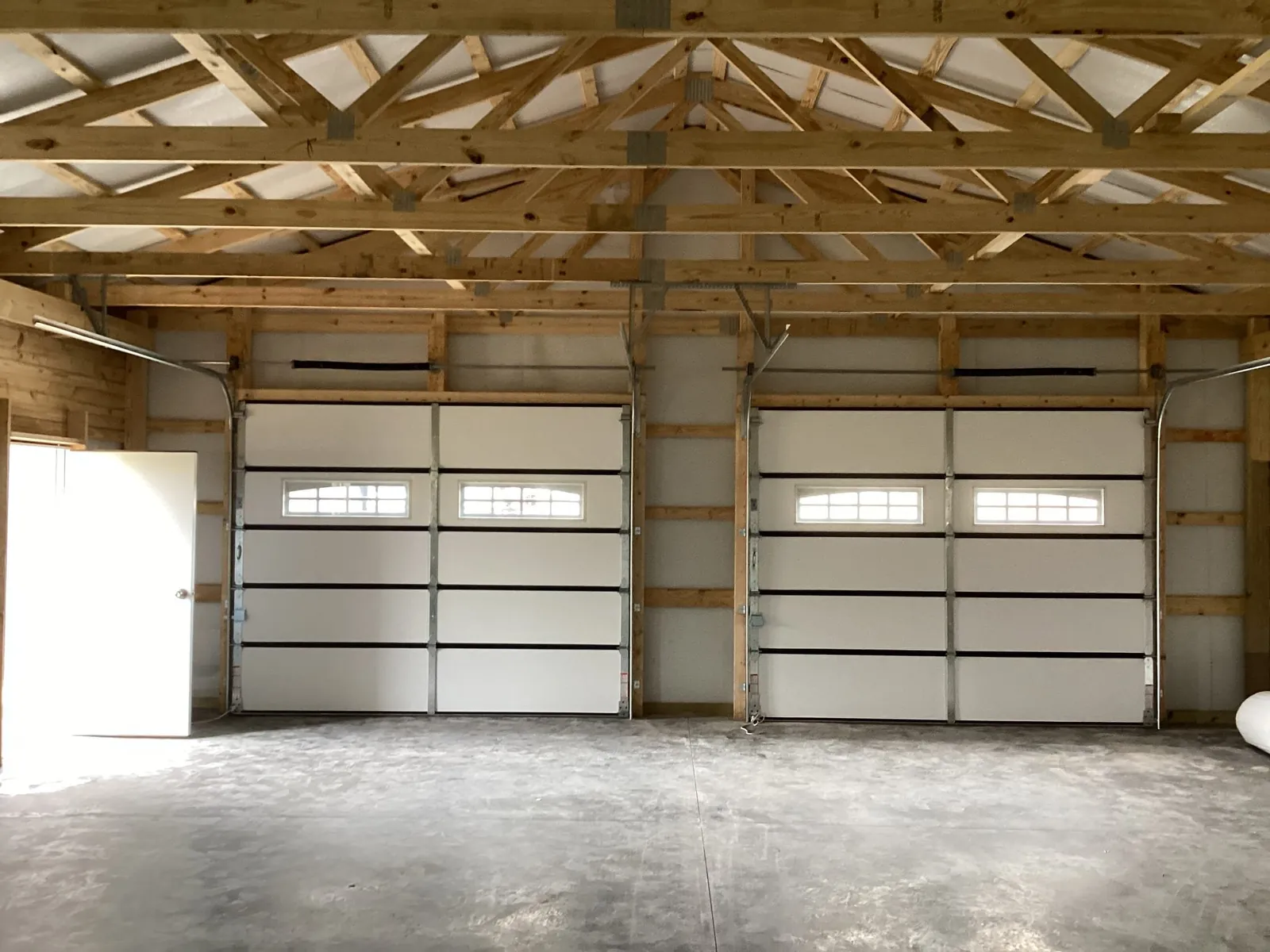
If you have a non-insulated door, you have two main paths forward: add insulation to your existing door using a retrofit kit or replace it with a modern, pre-insulated door. While retrofitting can seem like a simple fix, it’s important to consider the age and condition of your current door. If it's already showing signs of wear, damage, or age, adding insulation may not be a worthwhile investment. A new, factory-insulated door is constructed as an integrated system, often featuring multiple layers and thermal breaks for superior performance and durability. This usually represents a better long-term solution for both function and home value.

The Hidden Dangers of DIY Insulation
While do-it-yourself insulation kits are readily available, they come with significant risks that homeowners should not overlook. Adding insulation panels or foam board adds weight to your garage door. This seemingly small change can disrupt the delicate balance of the entire system. An imbalanced door puts excessive strain on your garage door opener, potentially causing it to wear out prematurely. More importantly, it places immense and dangerous tension on the springs, which are part of the door's counterbalance system. These springs are under extreme force and can cause serious injury or property damage if they break or are adjusted improperly. Never attempt to adjust, repair, or replace garage door springs yourself. A professional technician can safely assess your door, determine if the springs and opener can handle the added weight, and make any necessary adjustments to ensure the system operates safely and correctly.
Compare construction as well as insulation
When comparing doors, ask to see the construction of the specific models. An uninsulated steel door, a door with added insulation and a door with an interior steel back are different choices. Polystyrene and polyurethane insulation options also vary by product; do not assume one insulation type always means the same number of layers or the same thermal rating.
Use the selected model’s manufacturer information to compare its construction and insulation rating. Consider how you use the garage and whether it shares walls or a ceiling with living space. Weather seals, air gaps, walls and ceiling insulation also affect comfort, so a door alone is not a promise of a particular indoor temperature or lower energy bill.
- Ask which insulation material and interior finish the quoted model uses.
- Compare exact model ratings and features rather than universal R-value claims.
- Have a technician assess door balance and compatible components before adding insulation to an existing door.