
What Is the Garage Door Counterbalance System?
The counterbalance system is the muscle of your garage door. It's a mechanical assembly designed to perfectly offset the door's weight. By using the stored energy in one or more large springs, it makes the door 'weightless' in the hands of your garage door opener. Without a functioning counterbalance, your opener would be trying to lift hundreds of pounds on its own, causing it to burn out quickly. This system is what allows for the smooth, controlled movement you expect every time you open or close your garage.
The Two Main Types of Spring Systems
Garage door counterbalance systems primarily use one of two types of springs. It’s helpful to know which kind you have, as they are located in different places.
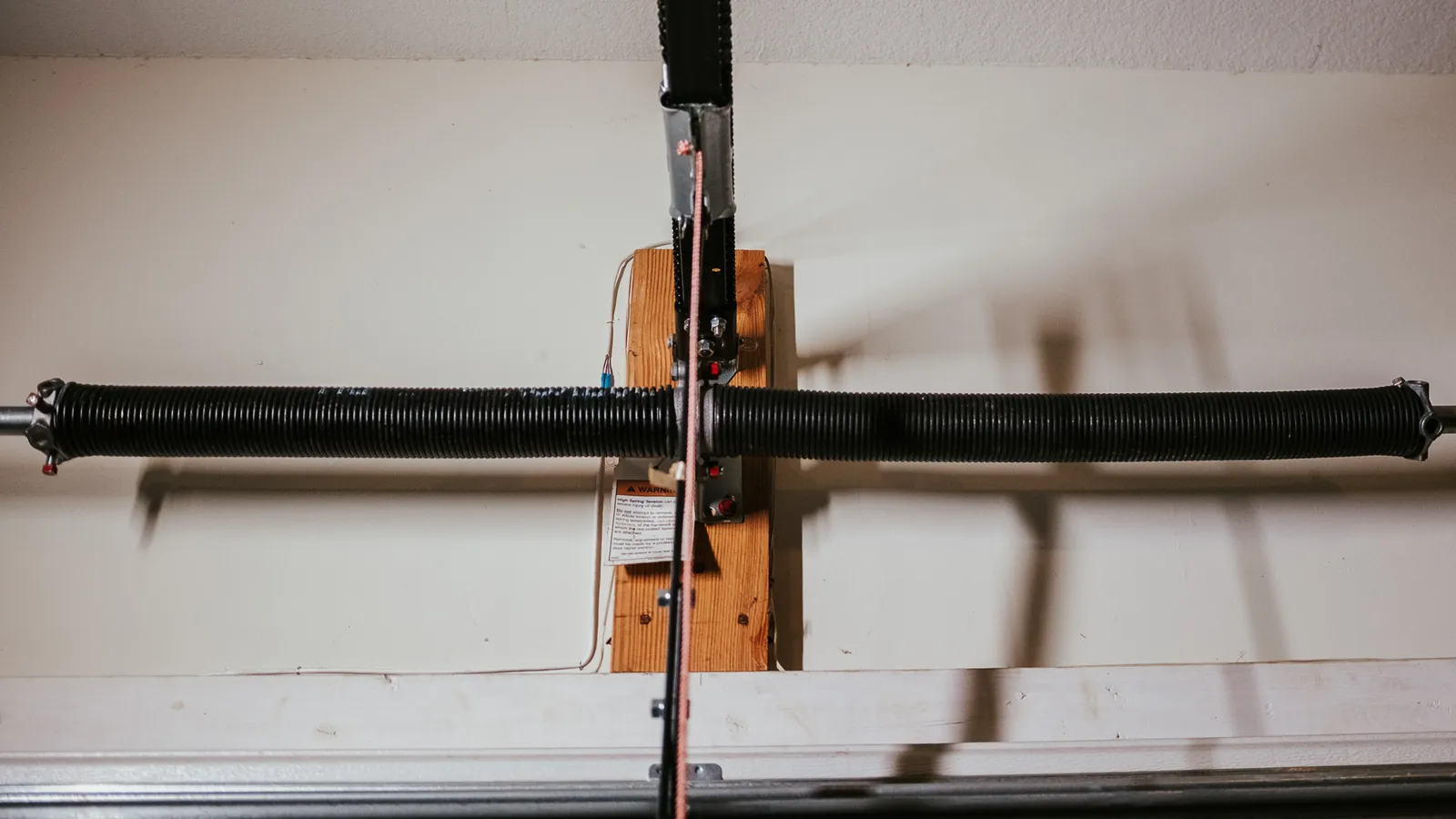
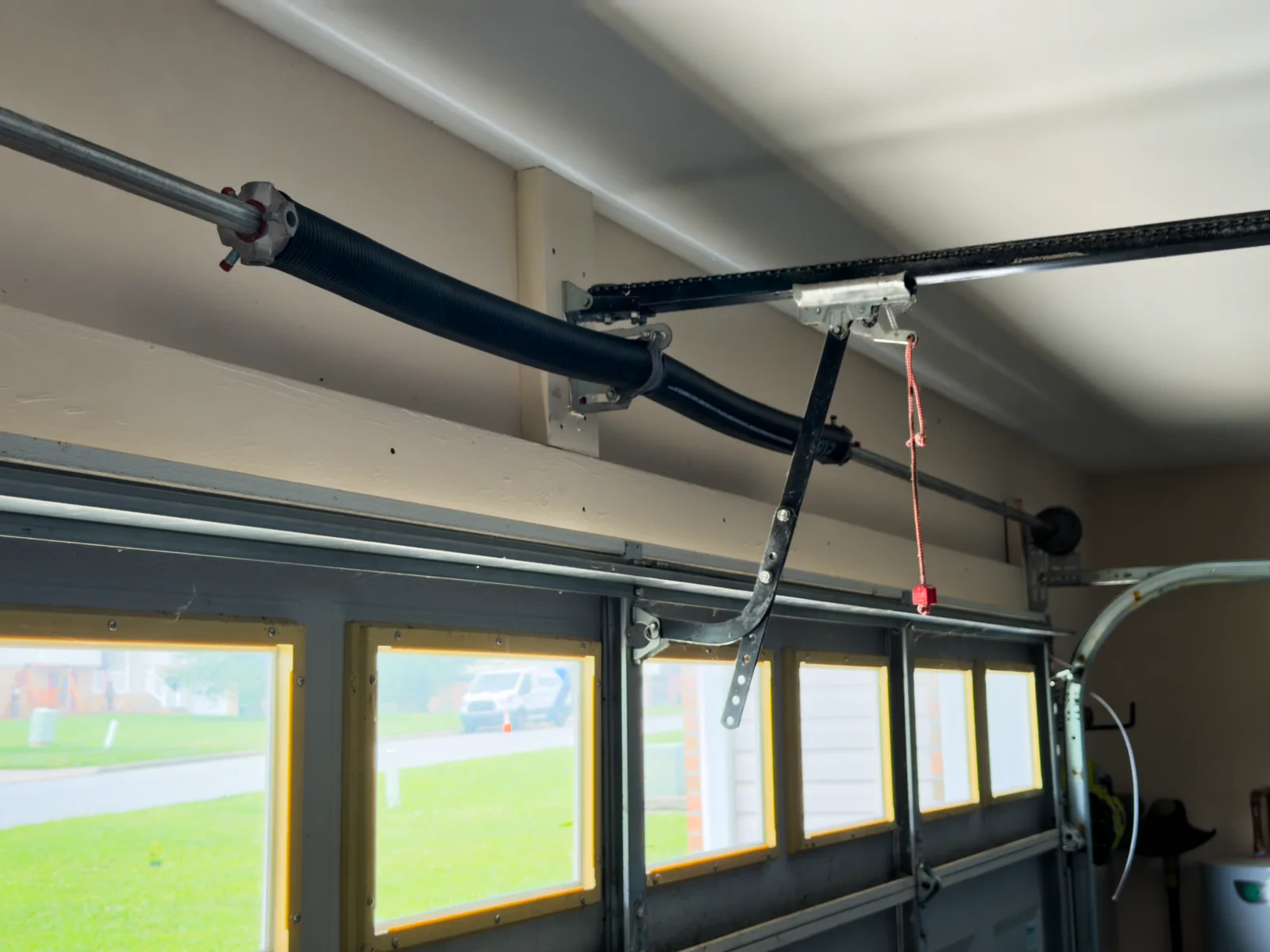
Torsion springs are the most common type on modern doors. They are large, powerful springs mounted on a metal shaft directly above the garage door opening. As the door closes, the cables cause the springs to wind up, storing immense potential energy. When the door opens, this energy is released, helping to lift the door.
Extension springs are typically found on older or smaller doors. These are located on either side of the door, stretching along and parallel to the horizontal tracks. They work like giant, heavy-duty rubber bands, stretching out as the door closes to store energy and contracting to help lift the door when it opens. These systems should always have a safety cable running through the center of each spring to contain it in case of breakage.
The Supporting Role of Cables and Drums
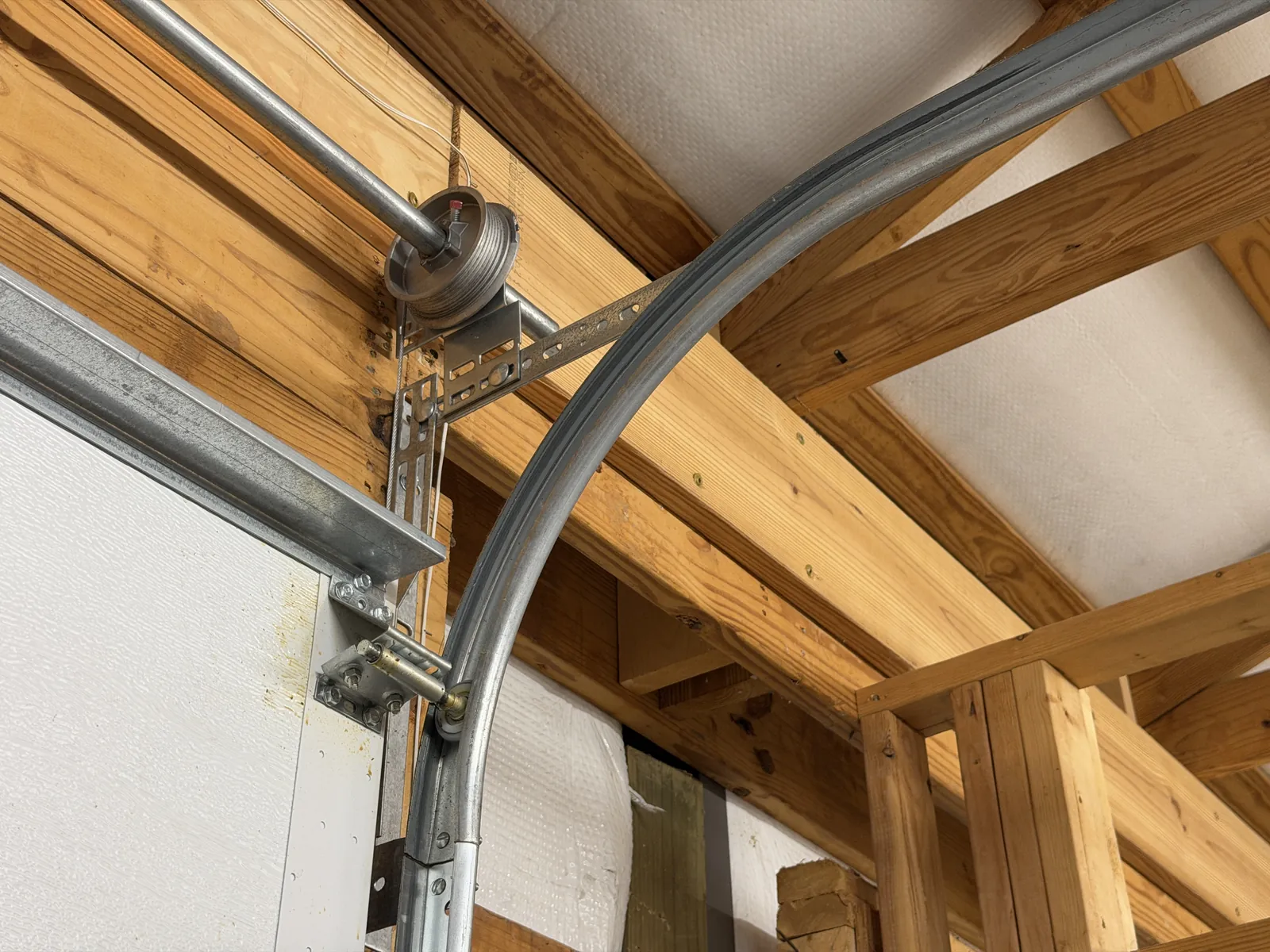
While springs provide the power, they can't do the job alone. A set of crucial components works in tandem with them. Lift cables are strong steel wires that connect the spring's lifting force to the bottom corners of the garage door. These cables ensure the door is lifted evenly on both sides. On a torsion system, the cables wind around circular components called drums. On an extension system, they run through a series of pulleys. If a cable frays or snaps, the system will fail, often leaving the door crooked and stuck. A broken cable is a serious issue that makes the door unsafe to operate.
Why a Properly Balanced Door Is Essential
A properly balanced garage door is fundamental to both safety and the longevity of your entire system. When the balance is correct, the door should stay in place if you stop it halfway open (a test best left to a professional). If it's unbalanced, the door might drift up or slam shut. An unbalanced door forces the garage door opener to work much harder, leading to excessive wear on its motor and gears and ultimately causing it to fail sooner. More importantly, a door that is not properly supported by its springs can become a significant safety hazard, as it may close unexpectedly with great force.
Warning Signs of Counterbalance Trouble
You don't need to be an expert to spot potential problems with your counterbalance system. Pay attention to how your door operates and perform occasional visual checks from a safe distance. If you notice any of the following signs, stop using the door and call a professional technician for an inspection.
Never attempt to touch, adjust, or repair springs or cables yourself. These parts are under extreme tension and can cause severe injury.
- Loud or unusual noises like groaning, creaking, or a sudden loud bang.
- The door looks crooked or uneven as it moves or when it's closed.
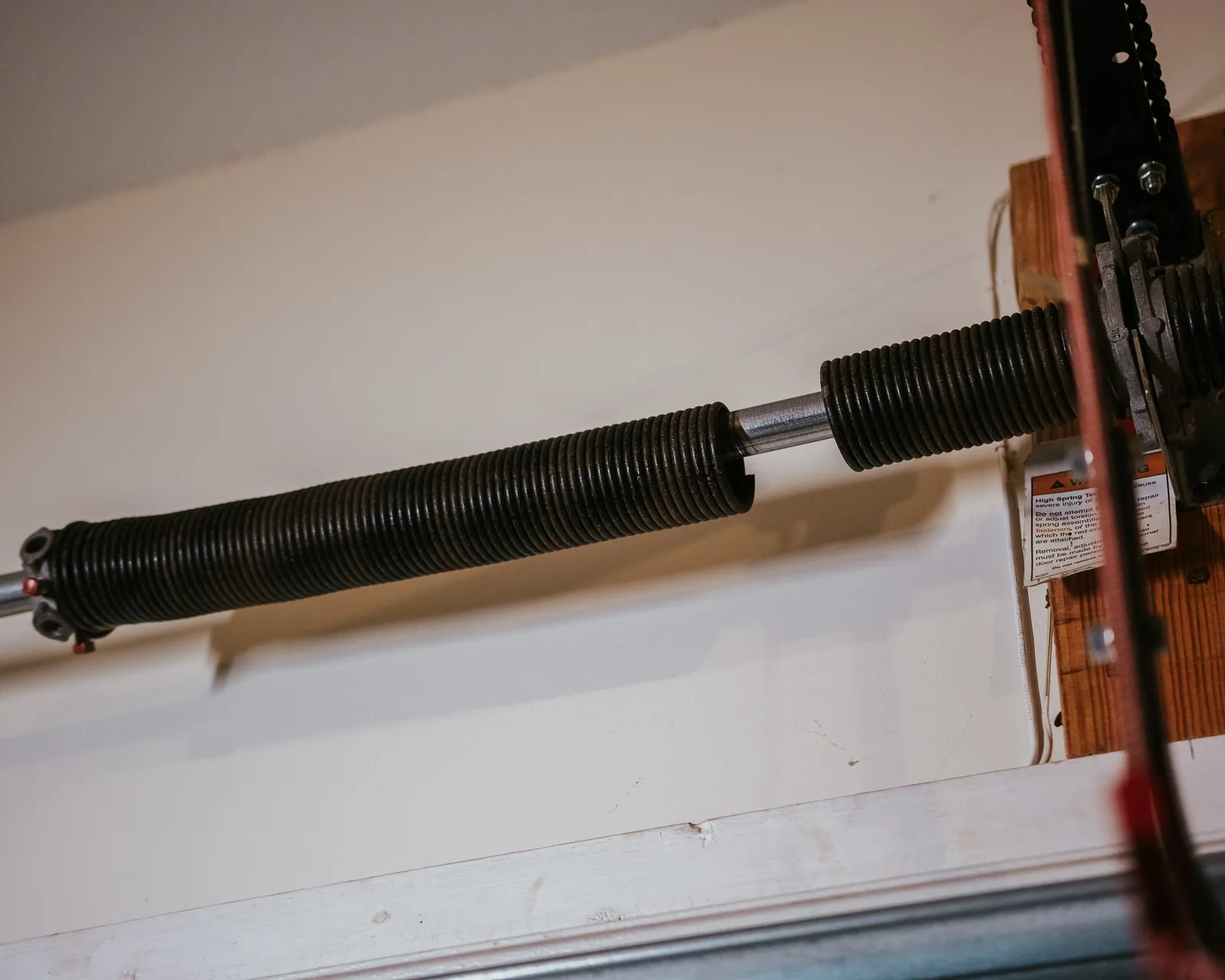
- You can see a visible gap of a few inches in one of the torsion springs.
- A lift cable appears loose, frayed, tangled, or has snapped.
- The door moves much slower than usual or seems to struggle to open.
- Your garage door opener strains to lift the door or can no longer open it at all.
The Critical Importance of Professional Service
The components of a garage door counterbalance system are the most dangerous parts of the door for a homeowner to handle. The tremendous force stored in the springs can be released uncontrollably during an improper repair attempt, leading to serious personal injury and property damage. Adjusting, repairing, or replacing springs and cables requires specific knowledge, tools, and safety procedures. For your own safety, always entrust work on your garage door's counterbalance system to a qualified and experienced garage door technician. A professional can safely diagnose the problem, install the correct parts, and ensure your door is properly balanced and safe for use.