
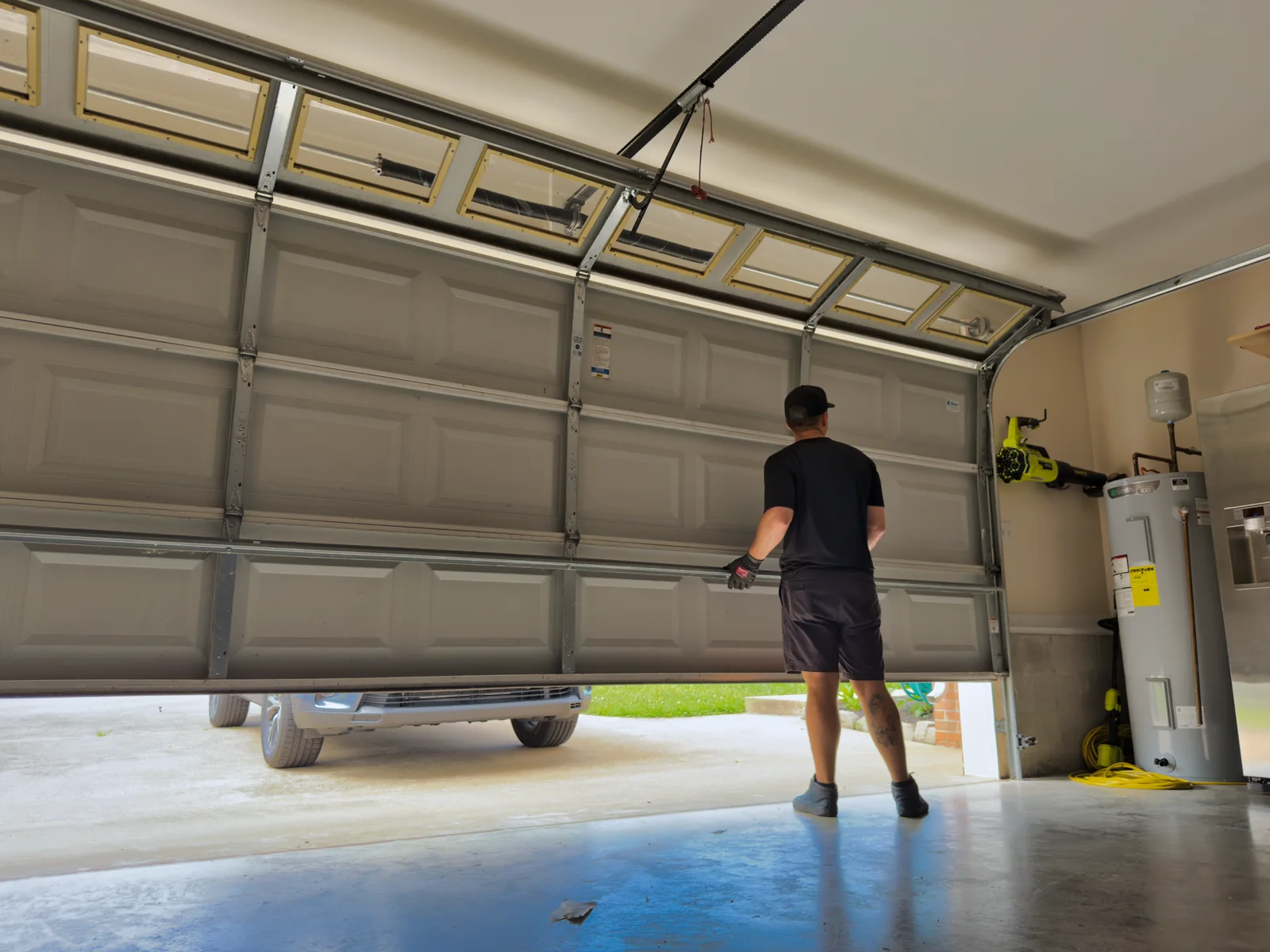
Immediate Safety Steps for a Stuck Door
Before attempting any troubleshooting, prioritize safety. A garage door that has stopped moving unexpectedly is unstable and potentially dangerous. Do not try to force the door open or closed, either with the opener or by hand, especially if it appears crooked, is hanging unevenly, or you heard a loud noise when it stopped. Keep people, pets, and vehicles away from the door until the issue is resolved. Continuing to operate a malfunctioning door can cause more significant damage and create a serious safety hazard. The first and most important step is to stop using the door and assess the situation from a safe distance.
- Stop all attempts to operate the door immediately.
- Ensure the area around and under the door is completely clear.
- Do not pull the emergency release cord if the door is stuck open, as it could slam shut if a spring or cable is broken.
- Listen for any unusual sounds like grinding, scraping, or straining from the motor.
Checking for Obstructions and Sensor Issues
One of the most frequent reasons a garage door reverses or stops is an issue with its safety reversal system. All modern openers have a pair of photo-eye sensors located near the bottom of the door tracks. These sensors project an invisible beam across the opening. If anything breaks this beam while the door is closing, the door will automatically reverse. Sometimes, these sensors can be the source of the problem.
Begin by performing a careful visual inspection. Look for any objects—like a rake, a trash can, or a child's toy—that might be blocking the sensor beam. Next, check the sensors themselves. The lenses can get covered in dust, cobwebs, or debris, which can interfere with the signal. Gently wipe the lenses with a soft, clean cloth. Also, check to see if the sensors have been bumped out of alignment. Indicator lights differ by brand and model, so check your opener manual for what yours should show and for any owner alignment step the manufacturer describes.
The Condition of Tracks, Rollers, and Hinges
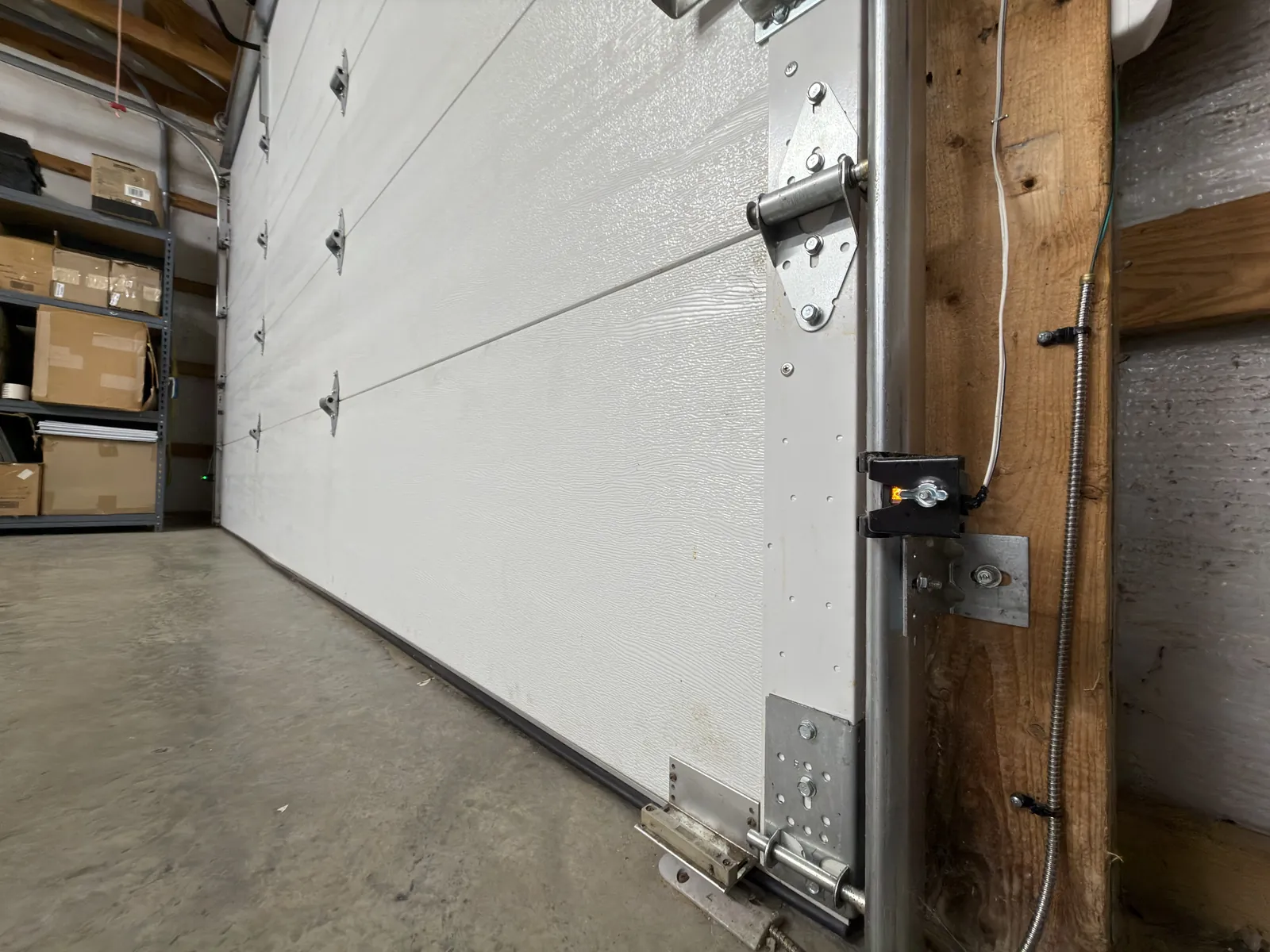
The metal tracks guide the door's rollers as it moves up and down. While sturdy, they can be a source of problems. Visually inspect the vertical and horizontal tracks for any buildup of debris that could physically stop a roller in its path. You can safely clear out loose dirt or leaves. However, if you notice that a track is bent, dented, or severely misaligned, this is a job for a professional. Attempting to bend a track back into place can cause further damage and misalignment.
The rollers and hinges are also critical for smooth movement. Over time, rollers can wear out, crack, or seize up, creating friction that causes the door to bind and stop. Inspect the rollers for any visible signs of damage or excessive wear. Proper lubrication of the door's moving metal parts, such as hinges and the stems of metal rollers, can also resolve issues caused by friction. Consult your owner's manual for specific lubrication points and recommended products. Avoid lubricating the tracks themselves, as this can attract dirt and make problems worse.
Identifying Problems with the Opener Motor
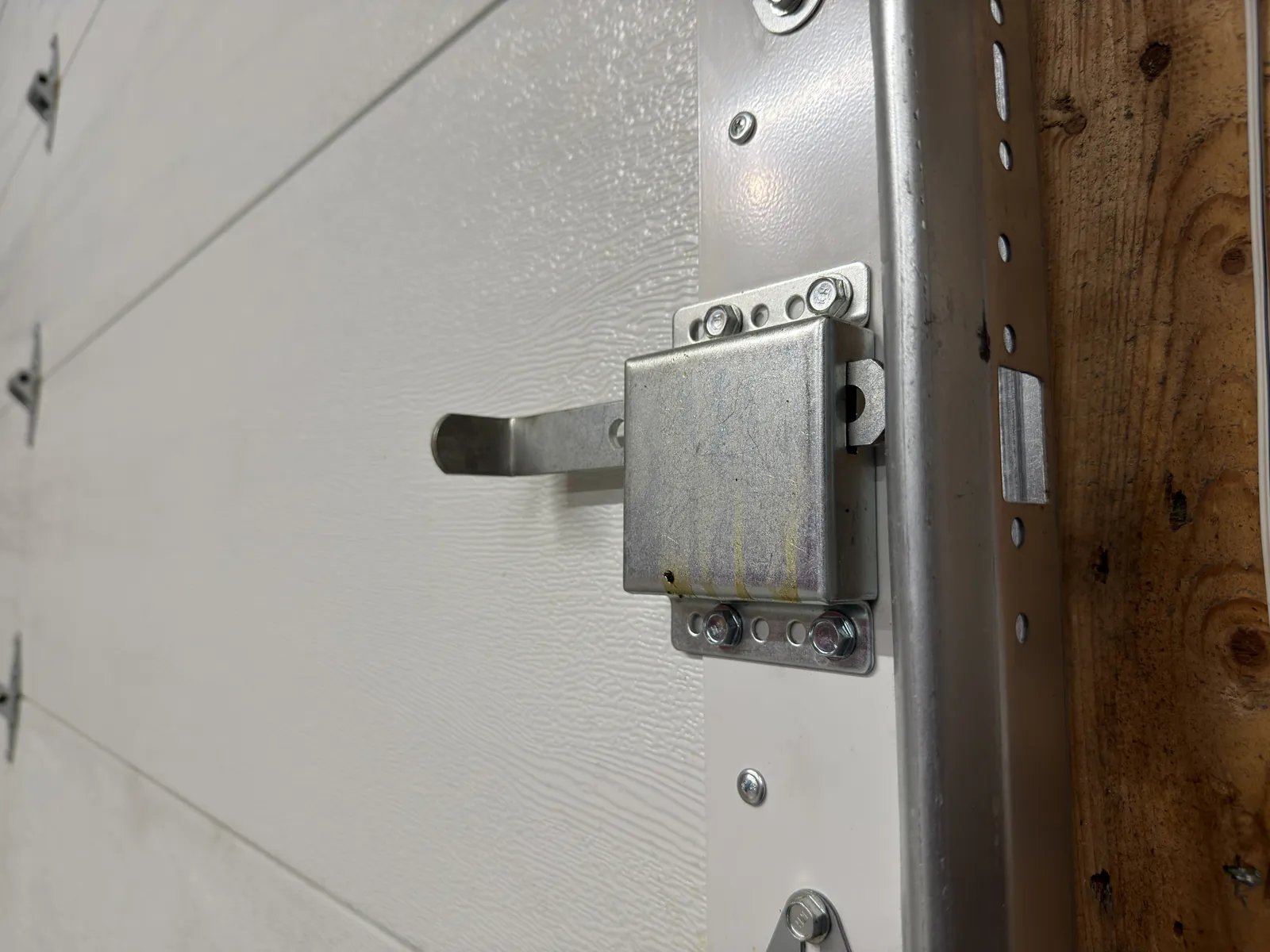
If the door's path is clear and its parts seem to be in good shape, the issue might be with the garage door opener itself. You can start with a few simple checks. First, ensure the opener unit is receiving power. Check that it's plugged into a working outlet and that the associated circuit breaker hasn't been tripped. Next, check the batteries in your remote controls. Sometimes a weak signal can cause intermittent operation. Also, verify that the 'lock' or 'vacation' mode on your wall control panel hasn't been accidentally activated, as this feature deactivates remote signals. For more detailed troubleshooting, such as reprogramming remotes, always refer to your opener's manual. Issues beyond these basic steps, like internal gear failure, a faulty logic board, or problems with travel limit settings, require professional diagnosis and repair.
Critical Failures: Broken Springs and Cables
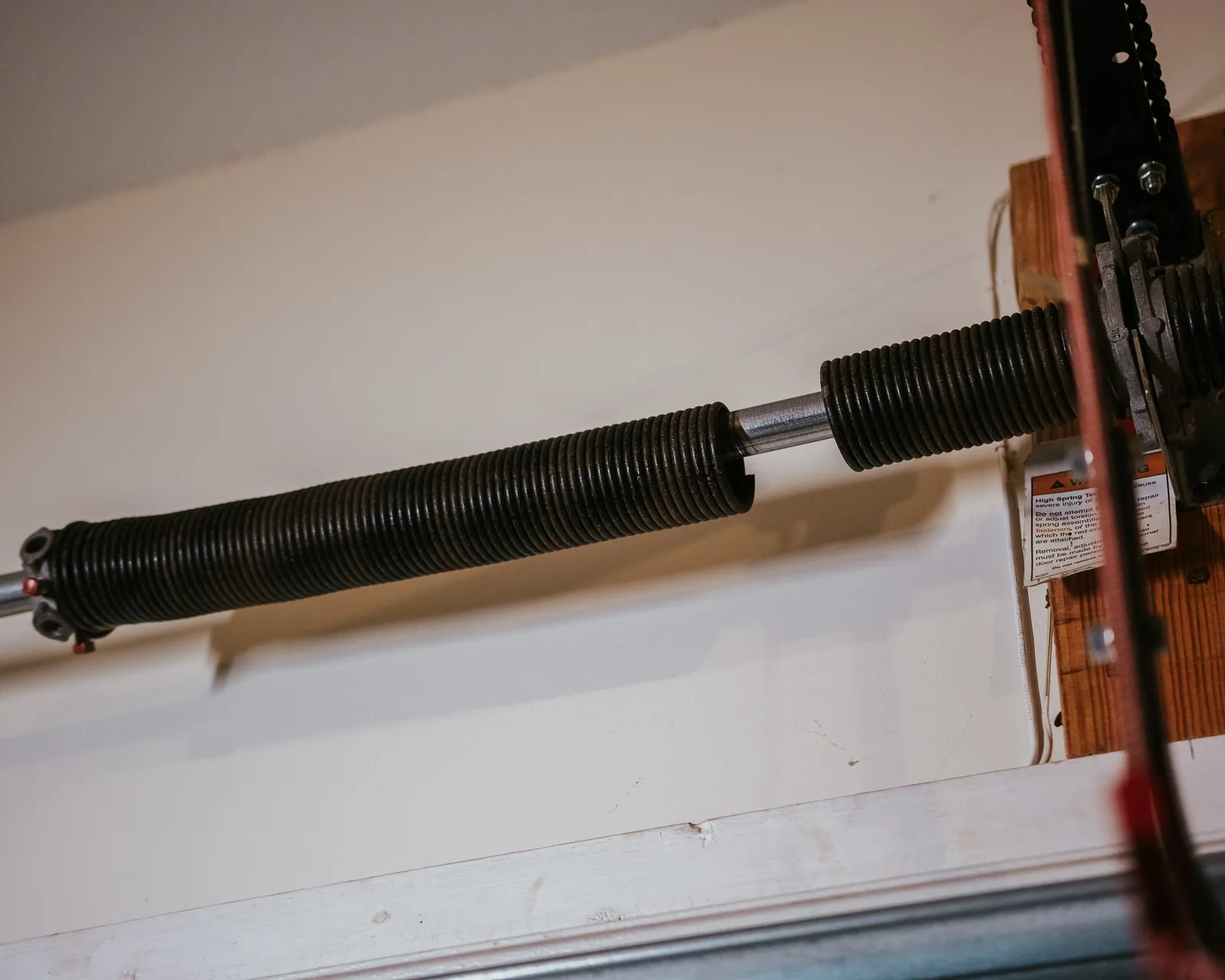
The most serious cause of a stuck garage door is a failure in the counterbalance system, which consists of high-tension springs and steel lift cables. These components work together to lift the immense weight of the door, allowing the opener to move it with minimal effort. If a spring breaks, you may hear a very loud 'bang' from the garage. A broken spring will prevent the door from opening or cause it to feel extremely heavy if you try to lift it. Similarly, if a lift cable frays, snaps, or comes off its drum, the door will likely stop, often hanging crookedly in the opening.
These parts are under extreme tension and are extremely dangerous to adjust or replace without the proper tools and training. Never attempt to touch, tighten, or remove torsion springs, extension springs, or lift cables. A mistake can lead to severe injury or property damage. If you suspect a broken spring or cable, the only safe action is to clear the area and call a qualified garage door technician.
Chain and Trolley Problems Along the Opener Rail
The opener’s drive system moves a trolley along a rail, and the trolley connects to the door through an arm. Wear or damage in this system can interrupt movement even when the door tracks look clear. From a safe position, look for a visibly loose, rusted, or broken chain or damage around the trolley. Tell a technician if you noticed the trolley binding before the door stopped; do not run the stuck door again to demonstrate it. Drive tension and trolley repairs need professional attention.
How Temperature and Moisture Can Contribute to Binding
Seasonal conditions can contribute to a door sticking. Cold can thicken some lubricants, increasing resistance at moving parts. Temperature changes can also affect how door materials expand and contract, while moisture can encourage corrosion or cause moisture-sensitive materials to warp. If the problem appeared during a change in weather, mention that during diagnosis rather than assuming the opener has failed.
Look for visible rust, distorted panels, and damaged weather seals without standing beneath the stuck door. Ventilation or a dehumidifier can help manage moisture buildup in the garage, and intact weatherstripping helps limit water entry. Once the door is safe to use, follow the manufacturer’s lubrication guidance for hinges and rollers. A warped door or corroded mechanism needs assessment, not extra opener force.
When Repeated Sticking Calls for a Repair-or-Replacement Assessment
A door that stops halfway does not automatically need replacement. An isolated sensor issue or worn component may be repairable. Repeated malfunctions, widespread hardware wear, or substantial structural damage call for a broader assessment of the door’s condition. Ask the technician whether the problem is confined to a serviceable part or whether damaged panels and supporting hardware make replacement worth considering. The decision should account for safe operation and overall condition, not just the latest symptom.