
Popular Garage Door Color Families
The color you choose for your garage door sets the tone for your entire home exterior. Different color groups evoke different feelings and suit various architectural styles. Understanding these palettes is the first step toward finding the perfect match.
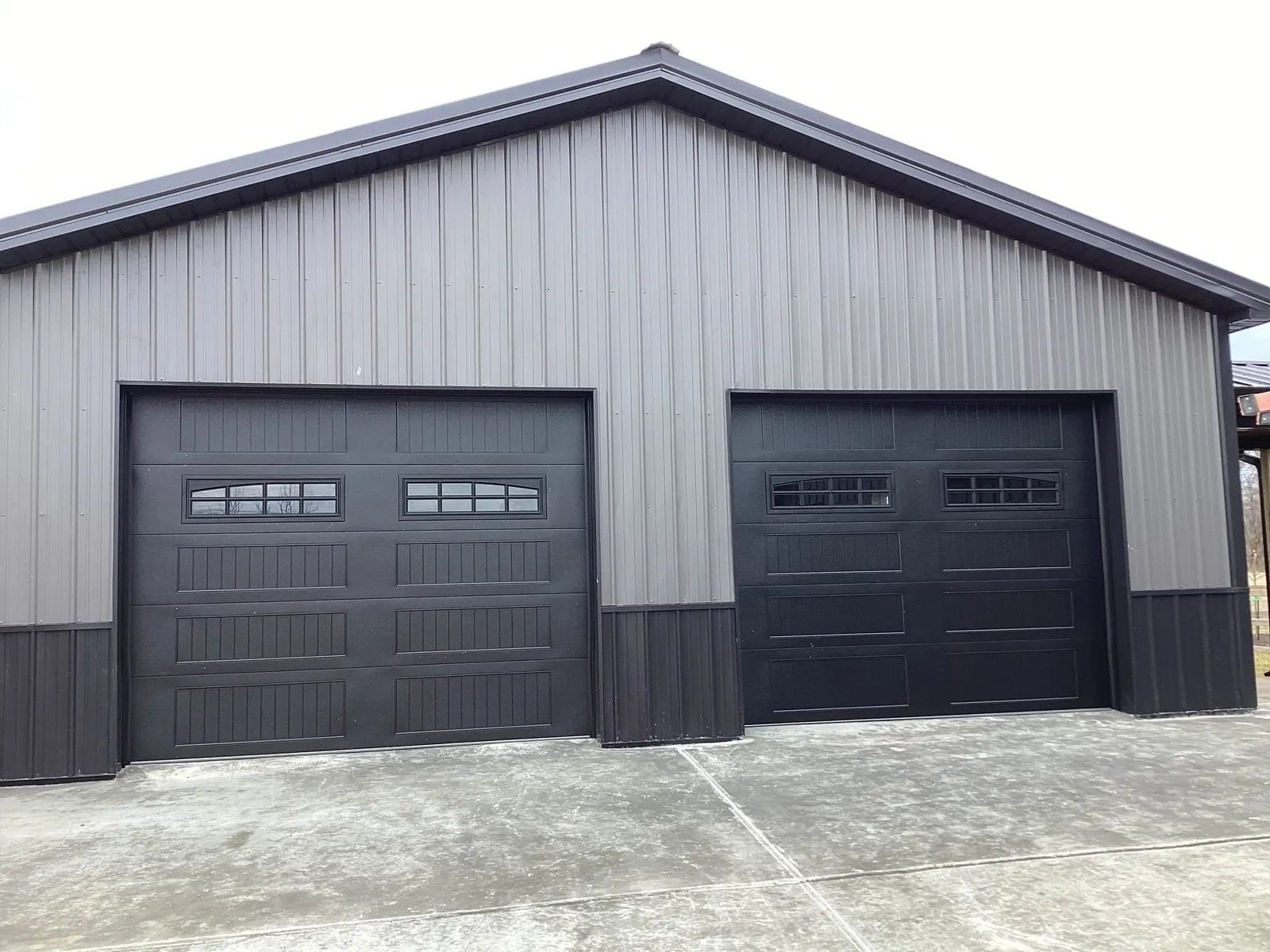
Classic neutrals are a timeless choice that offers maximum versatility. White provides a crisp, clean look that complements nearly any home style, from traditional brick to modern siding. Gray is another adaptable neutral that can feel modern or classic depending on the shade. Black makes a dramatic, sophisticated statement, adding a touch of elegance and contrast, especially on lighter-colored homes.
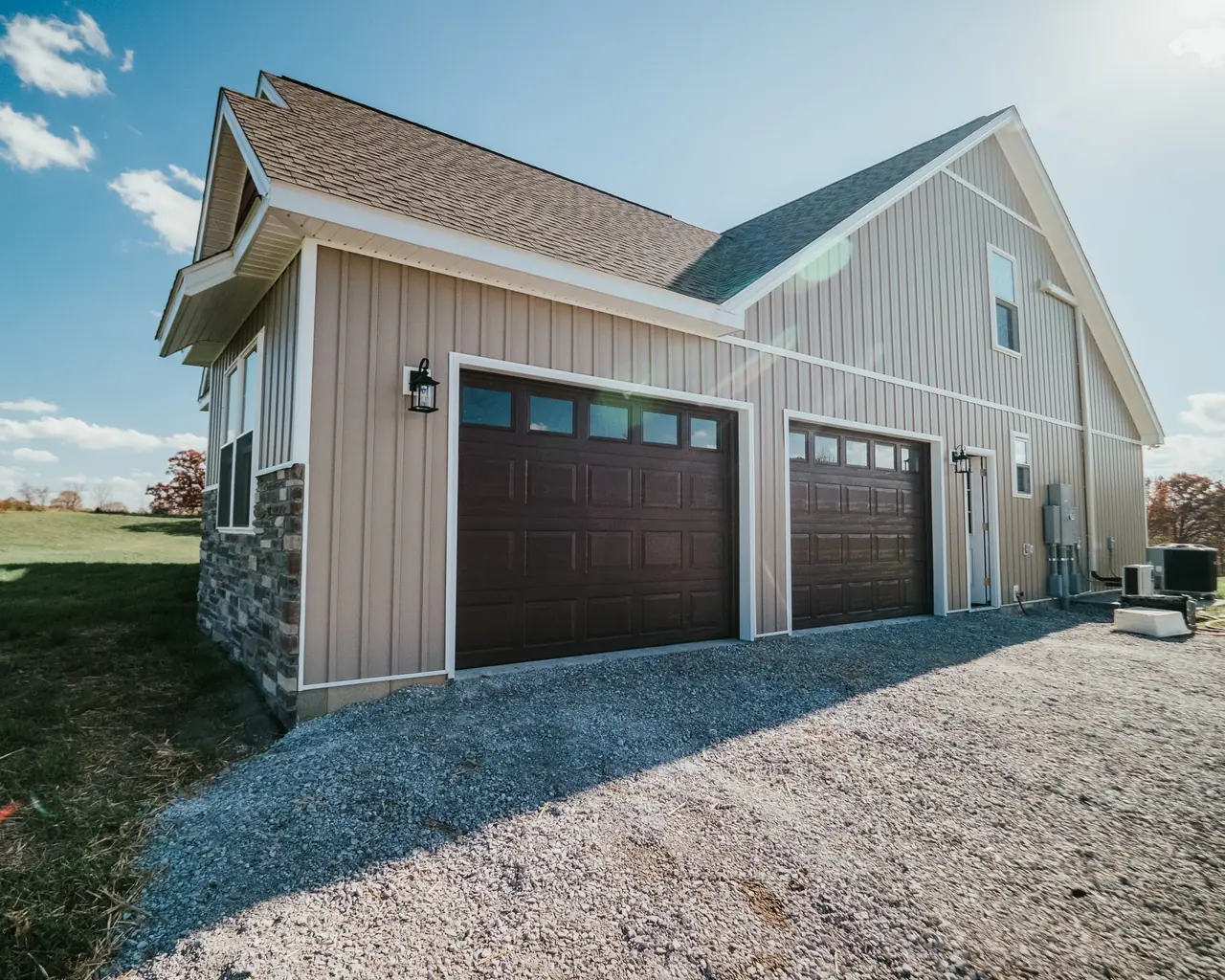
Earthy tones create a warm, inviting, and grounded appearance. Browns and beiges work exceptionally well with natural materials like stone, wood, and brick, helping your home blend harmoniously with its landscape. Softer greens can also evoke a sense of serenity and connection to nature.
For those looking to make a statement, bold and bright colors can turn a garage door into a focal point. A deep red can add energy and personality, while various shades of blue can feel calming and classic or cool and contemporary. These vibrant choices are a fantastic way to showcase your individual style.
Matching Color to Your Home's Architecture
The architectural style of your home provides a valuable roadmap for color selection. Aligning your garage door color with your home's design creates a polished and intentional look. For modern or contemporary homes with clean lines and simple forms, a bold color like black or even a bright red can create a stunning, high-contrast focal point. Neutral grays also work well to maintain a sleek, minimalist aesthetic.
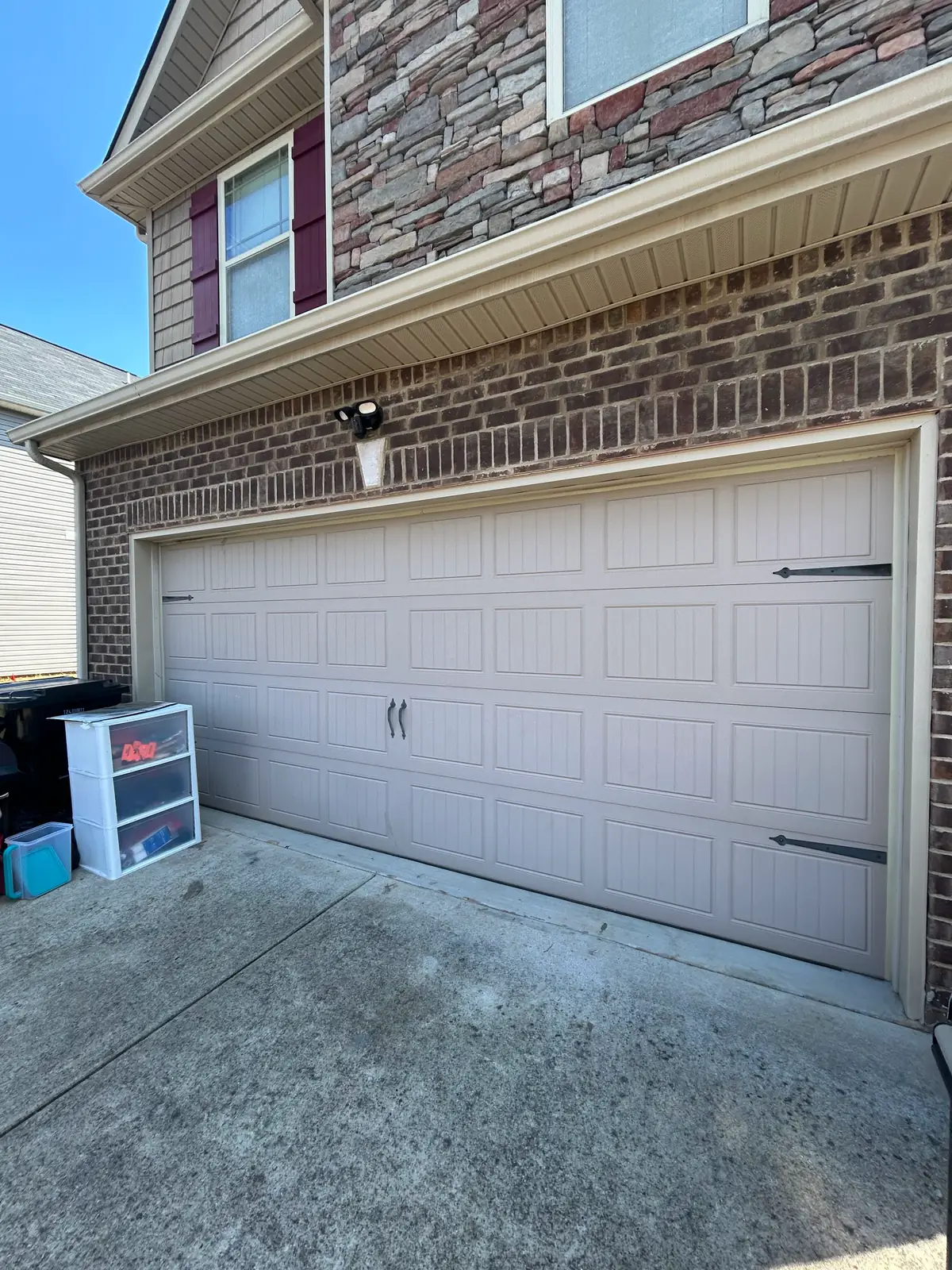
Traditional homes, such as Colonial, Cape Cod, or ranch styles, often look best with classic and subdued colors. Timeless choices like white, off-white, beige, or rich browns complement the established character of these homes without overwhelming their design. These colors enhance the home's elegant and classic appearance.
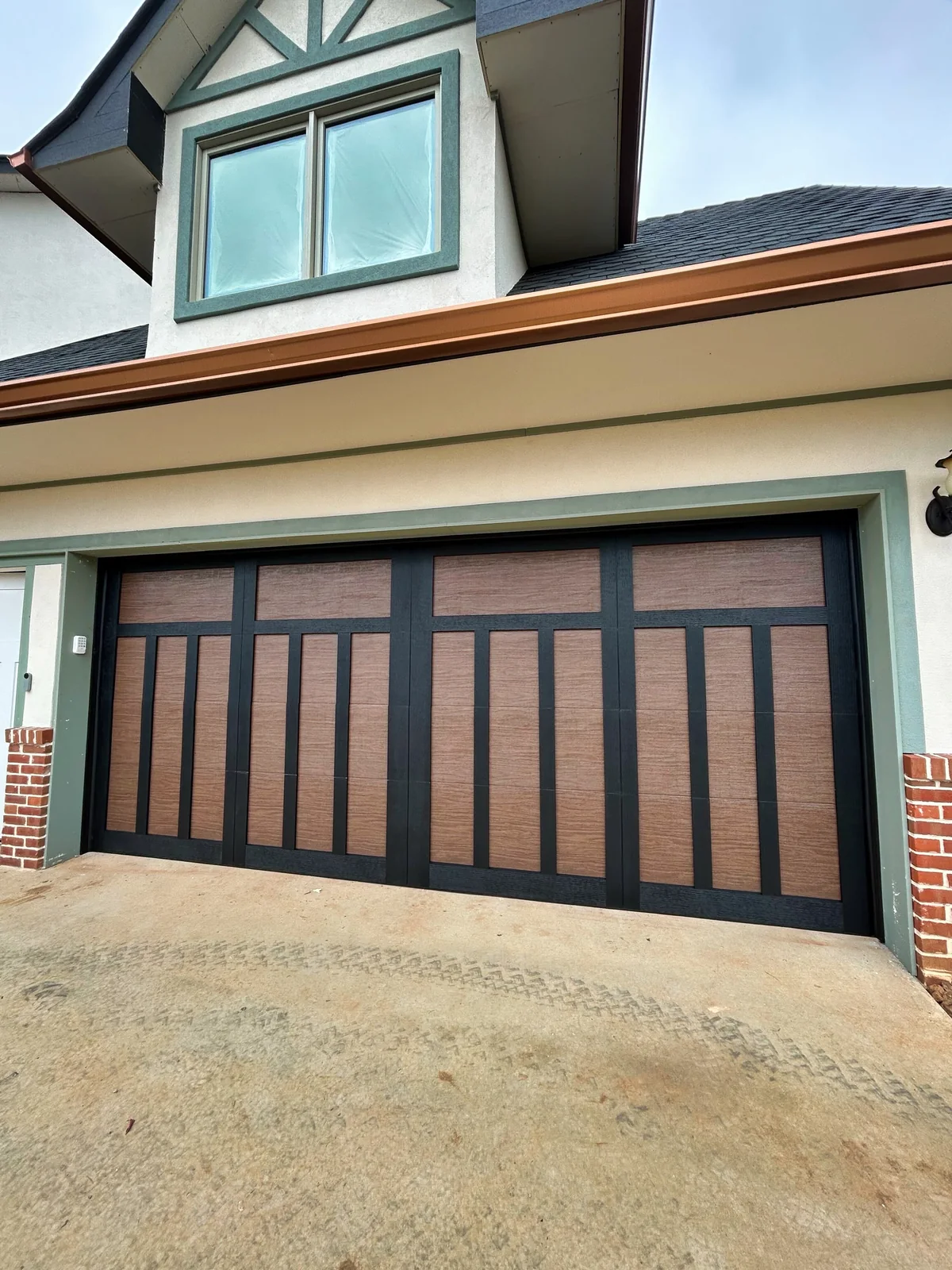
For rustic, craftsman, or farmhouse-style homes that feature natural materials like wood siding, stone accents, or exposed beams, earthy tones are a natural fit. Shades of brown, tan, and olive green blend beautifully with the surrounding environment and highlight the home's organic, handcrafted feel. A wood-look finish on a durable steel door can also be an excellent choice to achieve this aesthetic.
Key Factors for Your Color Decision
Beyond architectural style, several other factors should guide your choice. A thoughtful approach ensures you'll be happy with your new garage door for years to come.
- Your Home's Existing Color Scheme: Look at your siding, trim, shutters, and front door. Do you want the garage door to match the trim for a cohesive look, complement the main siding color, or match the front door to create a visual connection?
- Neighborhood and Surroundings: While your home should reflect your taste, it's wise to consider the general aesthetic of your neighborhood. Your choice should complement the area, not clash with it. Also, consider your landscaping and natural environment.
- Light and Shadow: A color can look very different in bright sun versus shade. If possible, view a color sample at different times of the day against your home's exterior to see how it changes with the light.
- Personal Preference: Ultimately, this is your home. Choose a color that you genuinely love and that brings you a sense of pride every time you pull into the driveway. Balance design rules with your own unique style.
How Garage Door Color Impacts Curb Appeal
The color of your garage door can significantly influence how your home is perceived from the street, impacting both its aesthetic appeal and potentially its resale value. A well-chosen color that complements the home's primary and accent colors creates a harmonious and polished look, making the entire property feel more inviting and put-together. It shows attention to detail and a commitment to maintaining the home's appearance.
Alternatively, a garage door can be used to create a deliberate focal point. A bold, contrasting color can draw the eye, adding character and dimension to an otherwise simple exterior. This strategy works particularly well on homes with neutral siding where a pop of color can add personality. For homeowners thinking about the future, a tasteful and well-maintained garage door is a feature that potential buyers notice. A smart color choice can make a home more memorable and attractive in a competitive market.
Beyond Color: Customizing with Materials and Hardware
The final look of your garage door isn't just about color. The material, finish, and decorative hardware play a crucial role in defining its style and durability.
Common materials like steel offer exceptional durability and can be finished in a vast array of colors, including realistic wood-grain textures that provide the look of wood without the intensive upkeep. Fiberglass is lightweight and resistant to dents and corrosion, making it a great low-maintenance option. Aluminum offers a sleek, modern aesthetic and is naturally rust-proof. The finish on these materials, from a smooth matte to an embossed wood grain, adds another layer of texture and style. Decorative hardware, such as hinges and handles in finishes like black, bronze, or silver, provides the final touch, tying the door's style to your home's overall design, whether it's modern, traditional, or rustic.
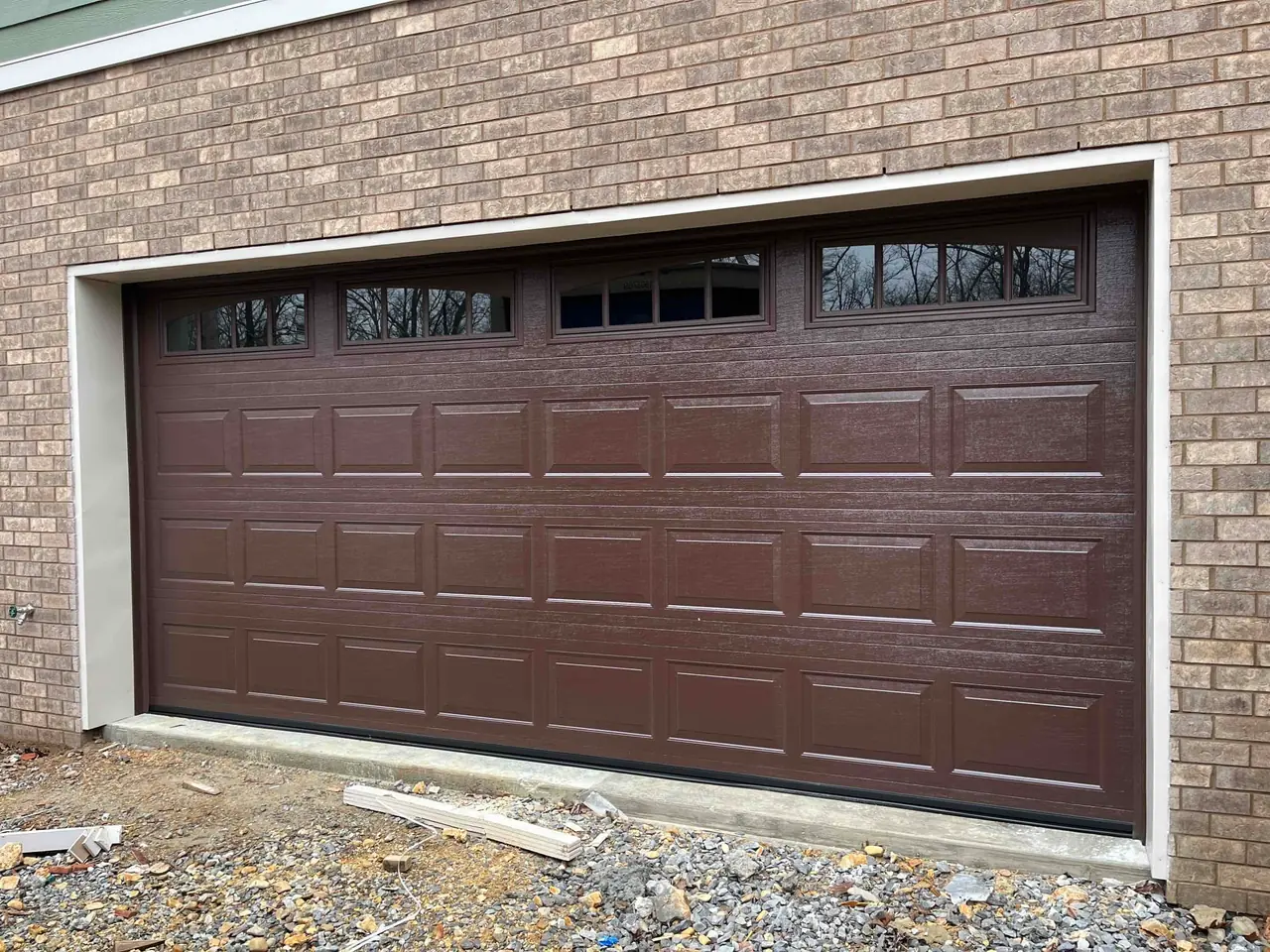
Elevate Your Design with Window Inserts
Window inserts are another fantastic way to customize your garage door, add character, and allow natural light into your garage. The style of the windows should complement both the door and your home's architecture.
- Rectangular or square window panes offer a timeless, traditional look that suits most home styles.
- Arched windows add a touch of elegance and are particularly well-suited for classic, vintage, or European-inspired home designs.
- Geometric or unique window shapes can create a bold, modern statement, perfect for contemporary homes.
- Frosted or obscure glass options are available if you want the benefit of natural light while maintaining privacy.