
How Torsion Springs Make Lifting Easy
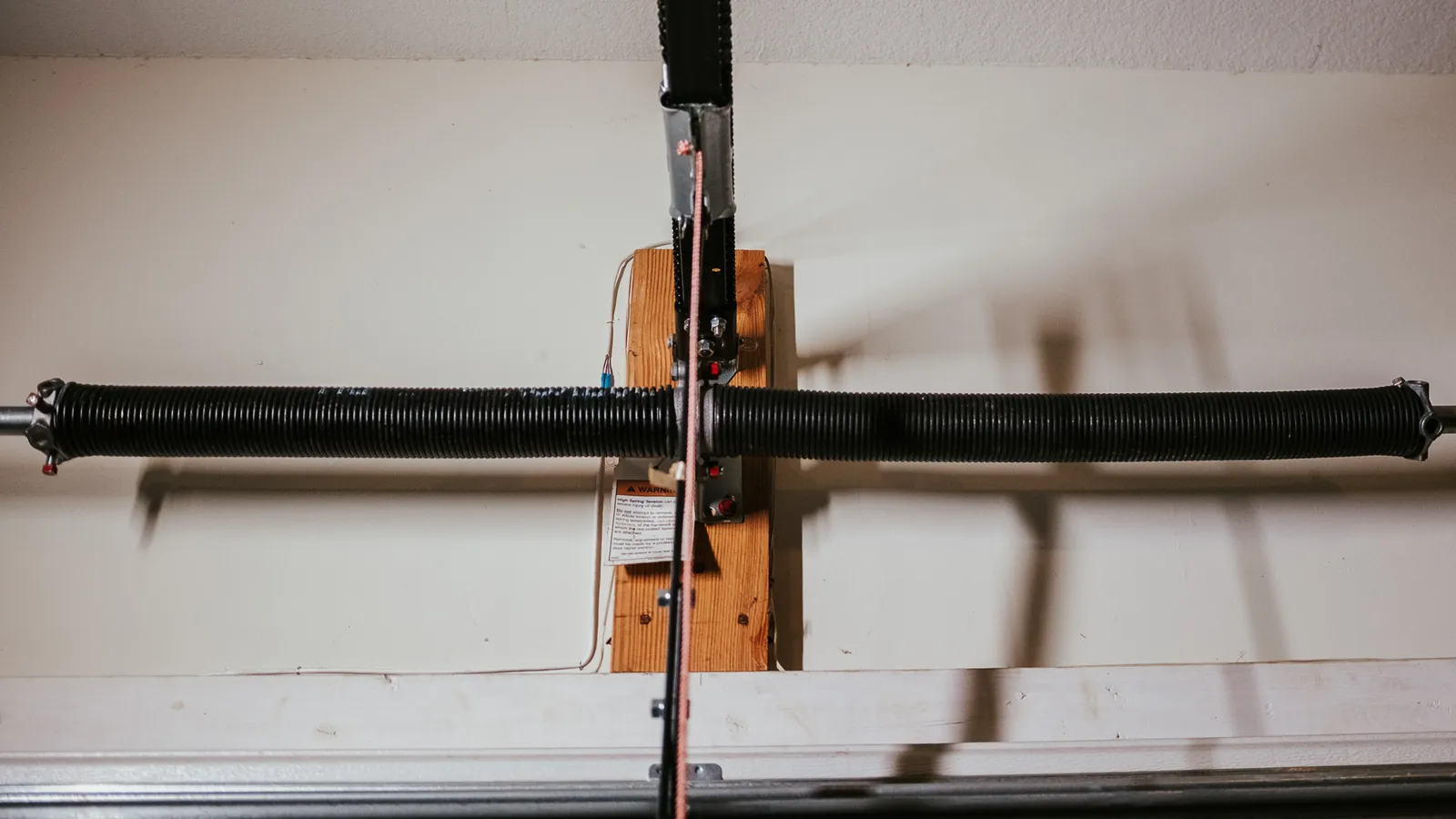
A torsion spring is a marvel of simple physics. It’s a large, coiled steel spring that is installed on a metal shaft above the garage door. When the door is closed, the spring is wound tightly, storing a massive amount of rotational energy, or torque. As your garage door opener begins to lift the door, the spring unwinds. This controlled release of energy turns the shaft, which rotates drums at either end. Cables, attached to the bottom of the door, wrap around these drums, and the door is lifted. This counterbalance system is what makes the door feel light enough for a small motor—or a person—to move it. Without a functioning spring, the full weight of the door would rest on the opener, which it is not designed to handle.
Why Springs Eventually Wear Out
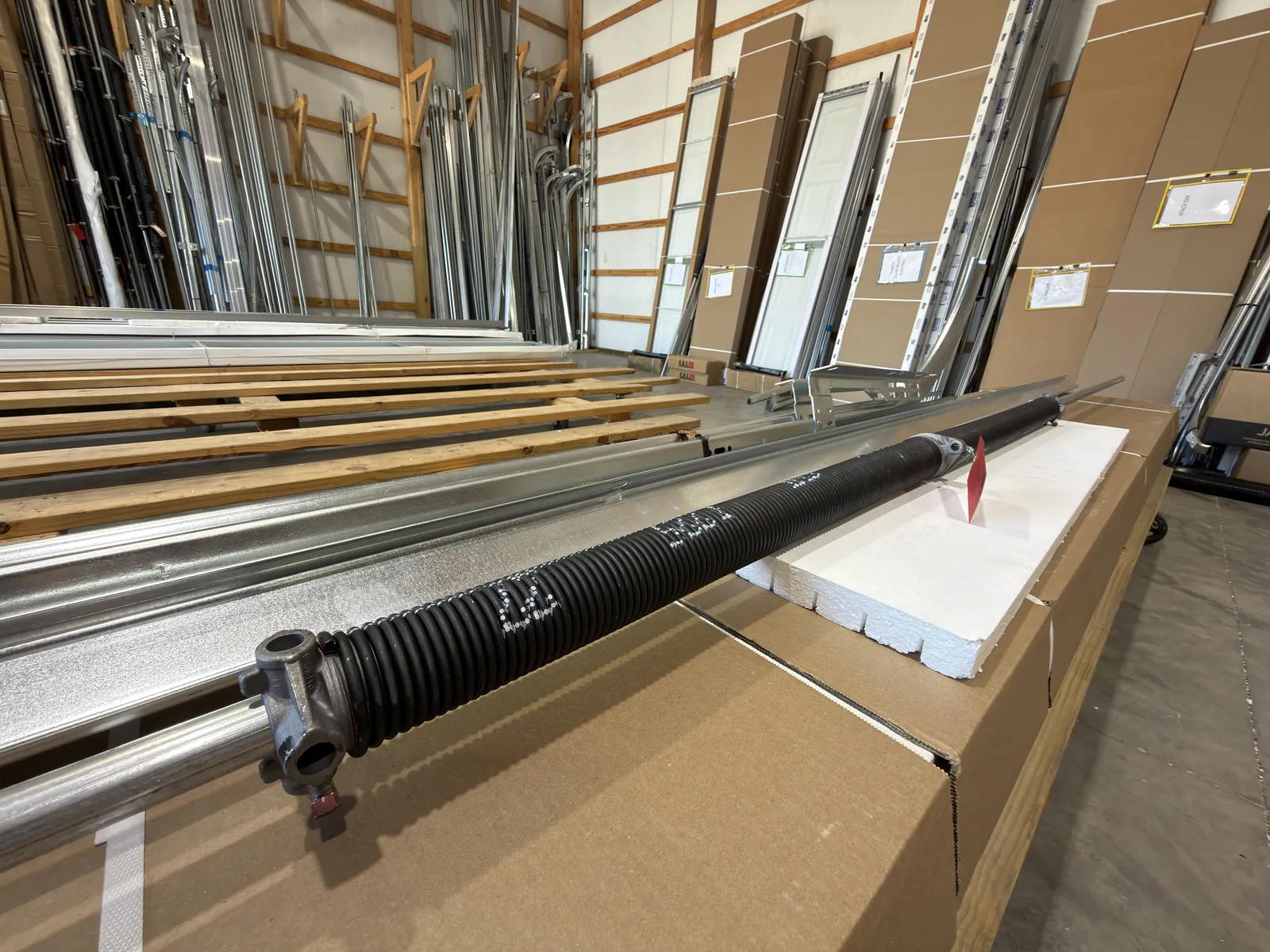
Torsion springs operate under extreme tension every time your garage door opens and closes. Each full sequence of opening and closing is called a "cycle," and springs are engineered to withstand a finite number of these cycles before the metal fatigues. Over time, constant use, changes in temperature, and corrosion can cause the spring to lose its strength or even break. A heavier door, more frequent daily use, or an improperly balanced system can accelerate this wear. Because they are a consumable part designed to wear out, periodic inspection by a professional is key to catching a problem before it leads to a complete failure.
Warning Signs of a Failing Torsion Spring
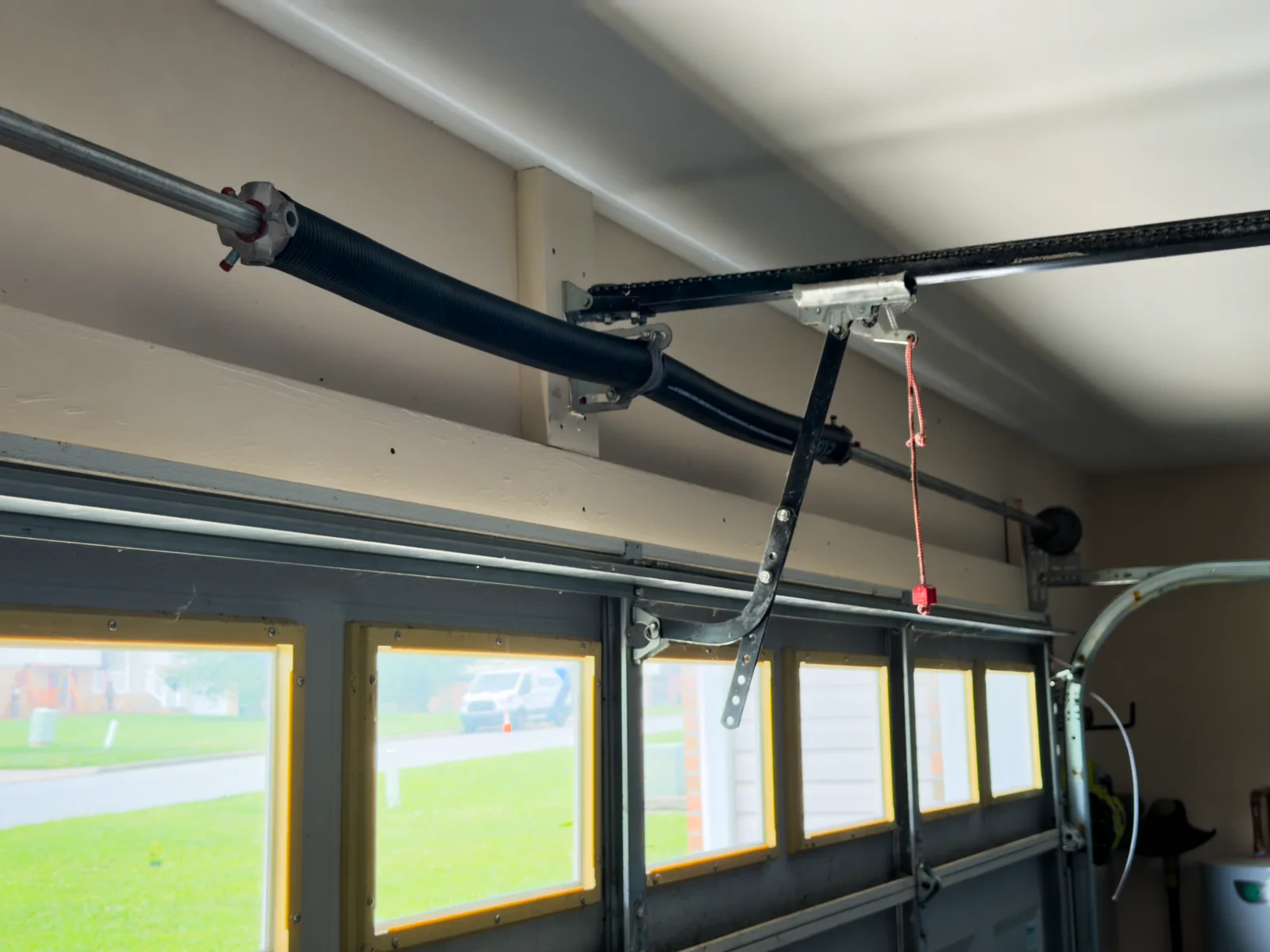
A broken torsion spring is one of the most common reasons for a garage door to stop working. If you notice any of the following signs, stop using the door immediately. Do not try to open or close it with the opener or by hand, and keep people, pets, and vehicles away from the area until a professional can assess the situation. Continuing to operate the door can cause further damage to the panels, tracks, or opener, and creates a serious safety risk.
- A loud "bang" or "snap" sound coming from your garage, even if the door looks fine.
- The garage door opener motor runs, but the door won't lift or only opens a few inches.
- The door begins to open or close but appears crooked or lopsided.
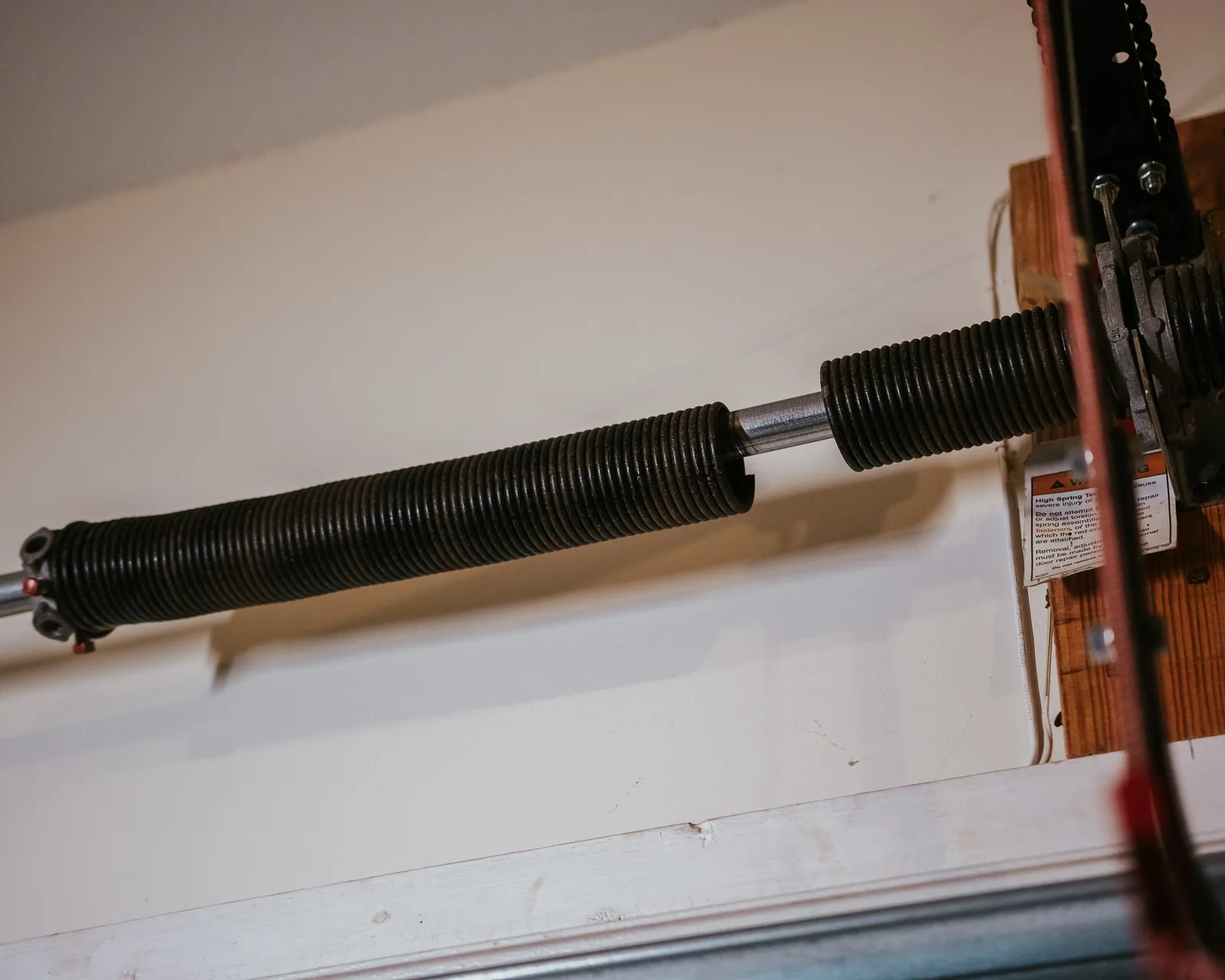
- You can see a visible separation or gap in the middle of the spring's coils.
- The lift cables on either side of the door appear loose, tangled, or have come off their drums.
- The door slams shut when closing instead of lowering at a controlled speed.
The Dangers of DIY Spring Replacement
Torsion spring replacement is not a do-it-yourself project. The energy stored in a wound spring is immense and can be released uncontrollably if not handled with specialized tools and knowledge. Attempting to adjust, remove, or install a torsion spring without proper training can result in severe injury from the spring itself, the tools, or a door that falls suddenly. The bottom brackets and lift cables connected to the spring are also under extreme tension and should never be tampered with. For your safety and to ensure the correct spring is installed and balanced properly for your door's weight, always rely on a qualified garage door technician for any spring-related service.
Choosing Springs for Your Door and Daily Use
Torsion springs are not interchangeable. Springs also differ in how much repeated use they are designed to withstand. When discussing replacement with a technician, explain how often your household opens and closes the door. That usage helps the technician recommend an appropriate spring option rather than choosing based only on appearance.