Cold Weather's Impact on Garage Door Systems
Frigid temperatures have a significant effect on your garage door's mechanical parts. Metal components, including the tracks, rollers, and hinges, contract in the cold. This shrinkage can increase friction and place extra strain on the entire system, forcing the garage door opener to work harder. Lubricants also thicken in the cold, losing their effectiveness and leading to grinding noises and stiff operation. One of the most serious cold-weather risks involves the torsion and extension springs. Cold makes metal more brittle, and the immense tension they are under makes them more susceptible to breaking. Additionally, moisture from snow and sleet can freeze along the bottom of the door, sealing it to the concrete. Trying to force a frozen door open can damage the bottom weather seal, the door panels, or even the opener mechanism.
How Summer Heat and Humidity Affect Operation
Just as cold causes contraction, summer heat causes metal components to expand. This expansion can lead to alignment issues, causing rollers to bind in the tracks and preventing the door from moving smoothly. High temperatures can also be tough on your garage door opener's electronic components. The motor can overheat and shut down, and the logic board can be stressed by the heat inside the garage. Direct sunlight hitting the safety sensors can sometimes cause them to misalign, preventing the door from closing. Humidity adds another layer of problems. Moisture in the air accelerates rust and corrosion on steel parts like springs, cables, and track hardware, weakening them over time. For wooden garage doors, high humidity is particularly damaging, as it can cause the wood to swell, warp, or crack, compromising the door's fit and appearance.
Protecting Your Door from the Elements
A little proactive maintenance can go a long way in defending your garage door against weather-related stress. Regularly performing visual inspections helps you spot potential problems before they become serious. You can also help maintain your door's performance with a few simple, safe tasks.
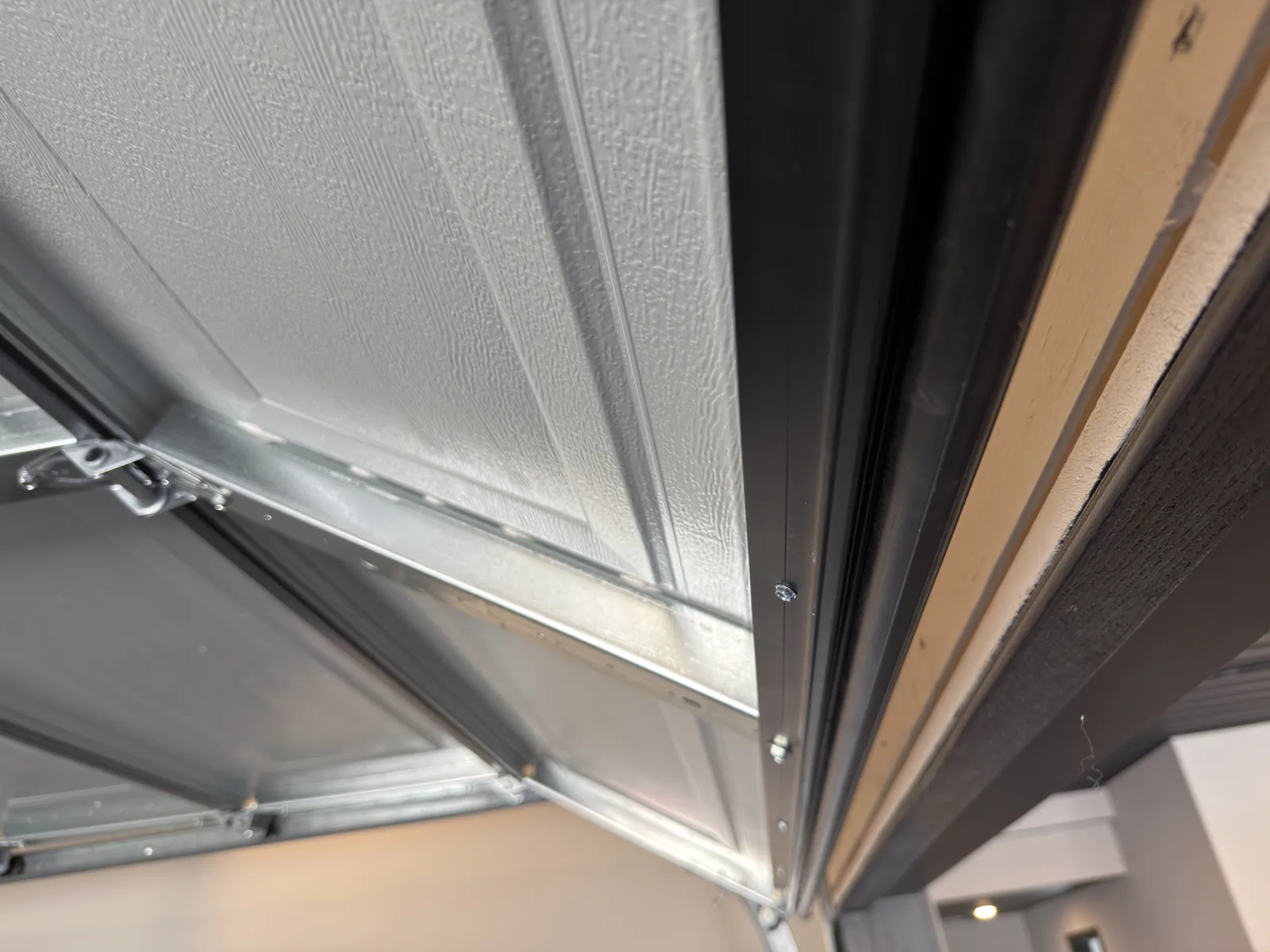
Clear any leaves or debris from the garage door tracks to ensure the rollers have a clear path. Be careful not to bend or misalign the tracks. Depending on your door manufacturer's recommendations, you can apply a silicone-based or lithium grease lubricant specifically designed for garage doors to the hinges, rollers, and springs to ensure they move freely. Do not lubricate nylon rollers if the manual advises against it. Finally, check your weatherstripping around the sides and top of the door, as well as the bottom seal. If you see cracks, brittleness, or gaps, it may be time to have it replaced to keep moisture and drafts out.
Safe Troubleshooting for Weather-Related Problems
If your garage door suddenly stops working or behaves erratically during extreme weather, it's important to know what you can safely check yourself and when you must call a professional. First and foremost, if the door is crooked, making loud popping or grinding noises, or appears to have a broken spring or cable, immediately stop using it. Keep people, pets, and vehicles away from the door. Do not try to move it manually or use the emergency release, as the door could fall unexpectedly.
If the door simply won't respond, there are a few safe troubleshooting steps you can take:
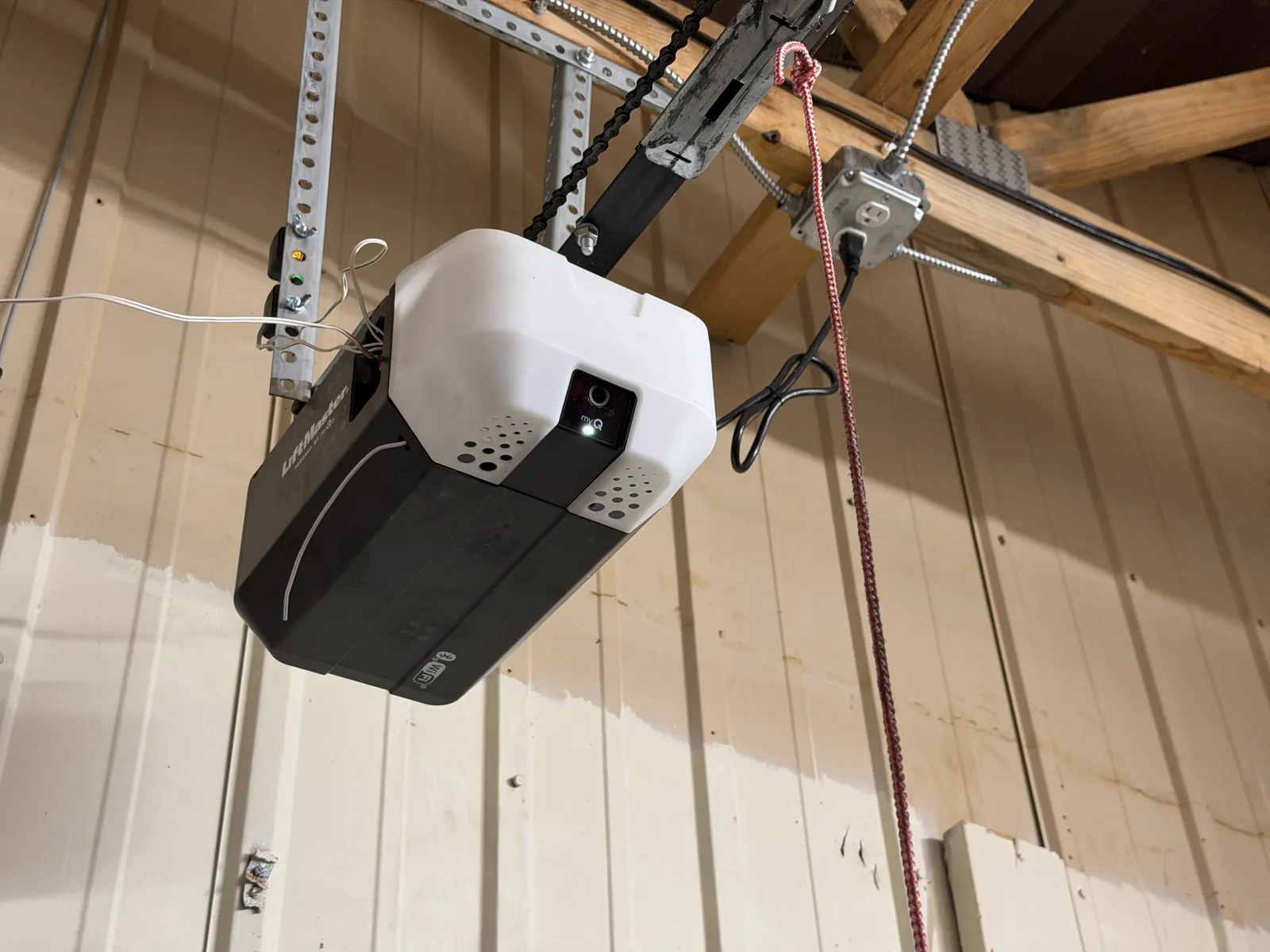
Check that the garage door opener is plugged into a working outlet.
Replace the batteries in your remote control, as cold weather can drain them quickly.
Wipe the lenses of the safety sensors near the bottom of the track. Check that their indicator lights are solid, which typically signifies proper alignment.
Make sure no objects are blocking the door's path or the safety sensors.
For any issue beyond these basic checks, such as a suspected mechanical failure or a door that is off-track, professional service is required to ensure a safe and correct repair.
Insulation and Surface Protection for Weather Exposure
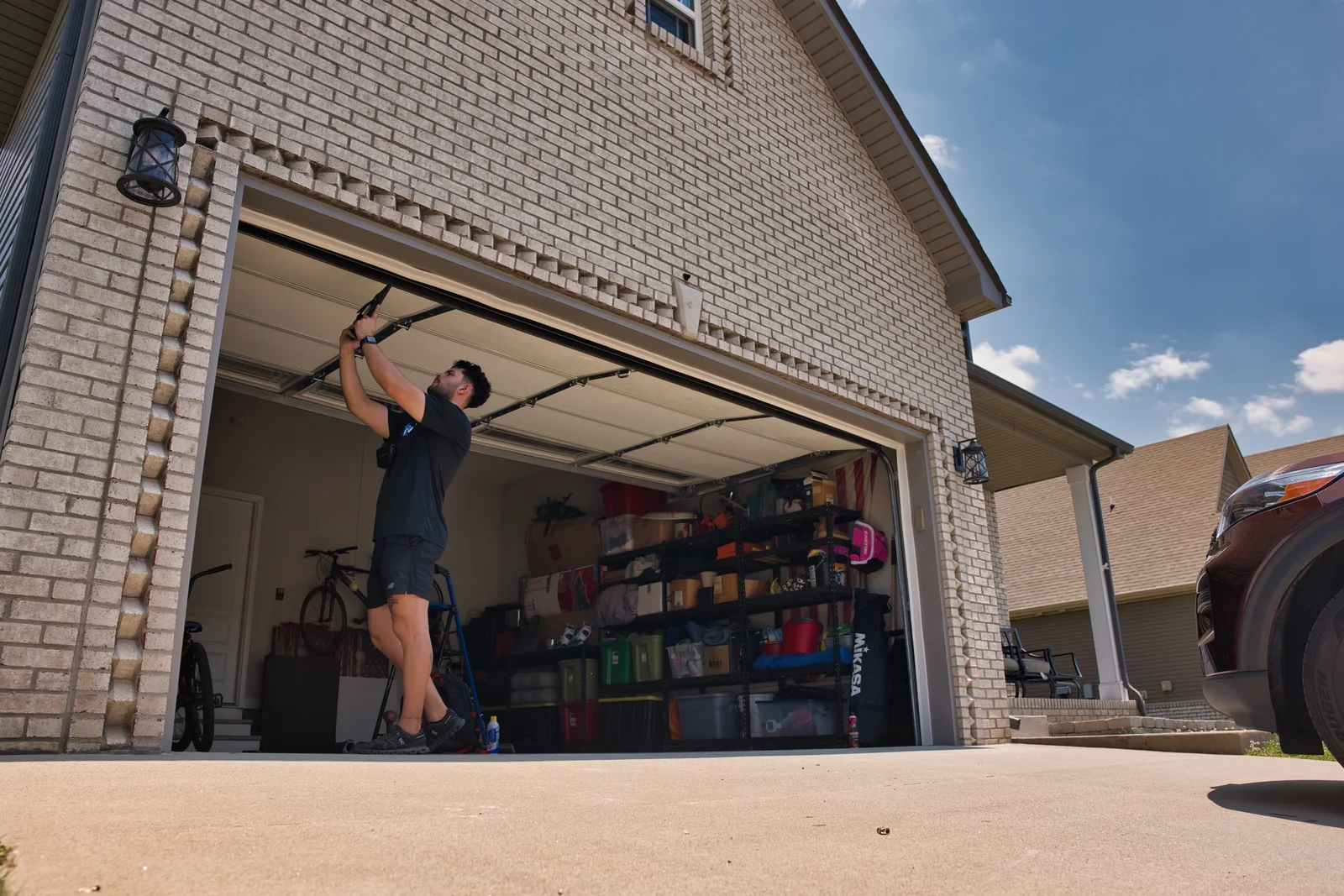
Weather seals help limit air and water entry around the opening, while insulation slows heat transfer through the door itself. If the garage becomes uncomfortable during temperature extremes, an insulated replacement door or a compatible insulation kit may help moderate conditions inside. Have a technician assess added insulation, since extra weight can affect the door’s balance and opener operation.
Protective coatings provide another layer of defense against moisture, particularly on wooden doors. Inspect the finish for peeling, cracking, or exposed material, and follow the door manufacturer’s guidance for suitable coatings. Insulation and surface protection serve different purposes: neither replaces sound seals or repairs to weather-damaged components.
Considering a Door Built for Wind and Debris
Strong winds and windblown debris create risks beyond the sticking and corrosion associated with seasonal weather. If you are replacing a door, ask an installer about reinforced construction and impact-resistant options suited to your home’s exposure. Wind resistance and impact resistance are different characteristics, so the door and its installation should be evaluated for the hazards you want to address. No door should be treated as storm-proof.
Battery Backup During Weather-Related Power Loss
An opener with a compatible battery backup can provide operation during a power outage, subject to the battery’s condition and the system’s limits. This is separate from the battery in your handheld remote. Follow the opener manual for backup testing and battery care, and ask about compatibility when considering an upgrade.
Backup power does not overcome ice, damaged hardware, or a door that is crooked or off-track. If severe weather has damaged the door or frozen it in place, stop using it rather than trying to run it on backup power.