
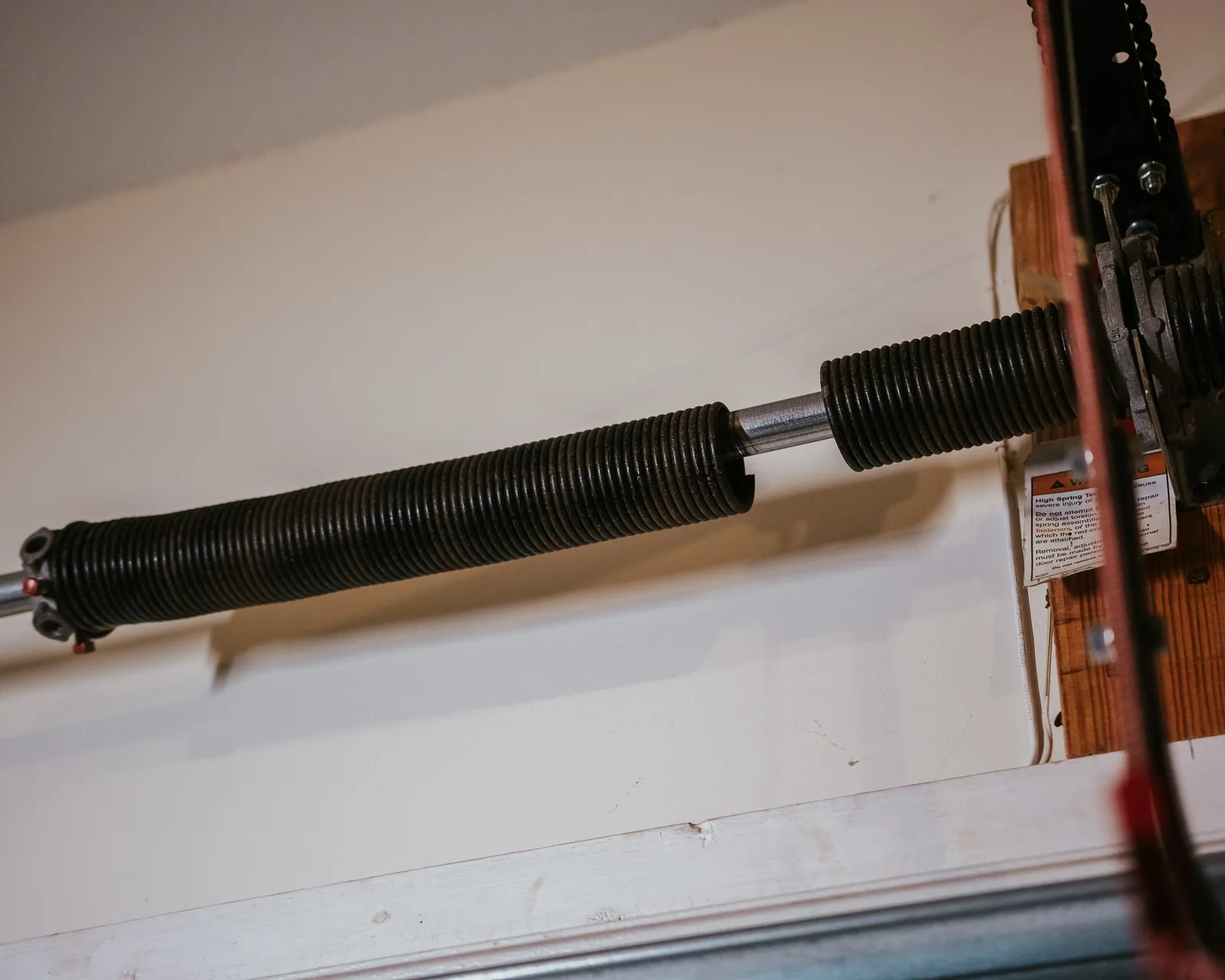
Understanding Your Garage Door's Counterbalance System
Your garage door is incredibly heavy, but the opener doesn't lift it alone. A powerful counterbalance system does most of the work, making the door feel light enough for the motor to move. This system relies on either torsion or extension springs. Torsion springs are the most common type on modern doors; they are thick, coiled springs mounted on a metal shaft directly above the garage door opening and work by twisting to store and release tension. Extension springs are typically found on older or smaller doors. They are located on both sides of the door, stretching and contracting alongside the horizontal tracks to provide lifting force. Both types are under extreme tension and are critical for safe, balanced operation.
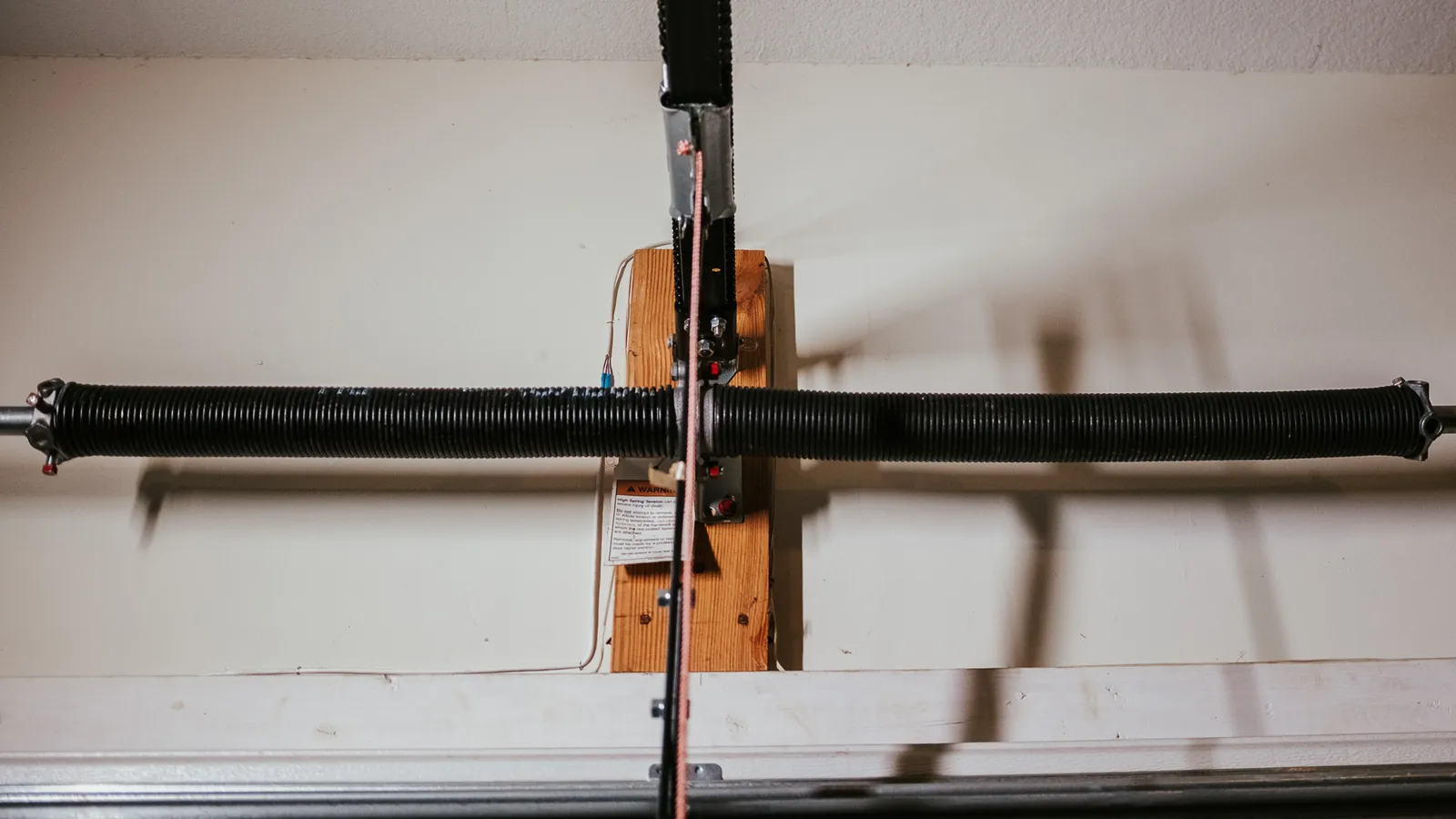
How Winter Temperatures Weaken Metal Springs
The primary reason winter is hard on garage door springs is simple physics. Cold temperatures cause metal to contract and become less flexible. This brittleness makes the steel in the springs more susceptible to cracking and breaking, especially as it rapidly flexes to lift a heavy door. The strain is magnified by other winter conditions. Ice can freeze your door to the ground, forcing the springs and opener to pull against a much heavier load than they were designed for. Snow and ice can also accumulate on the door panels, adding significant weight. This combination of increased brittleness and extra strain raises the risk of a spring snapping during the coldest months.
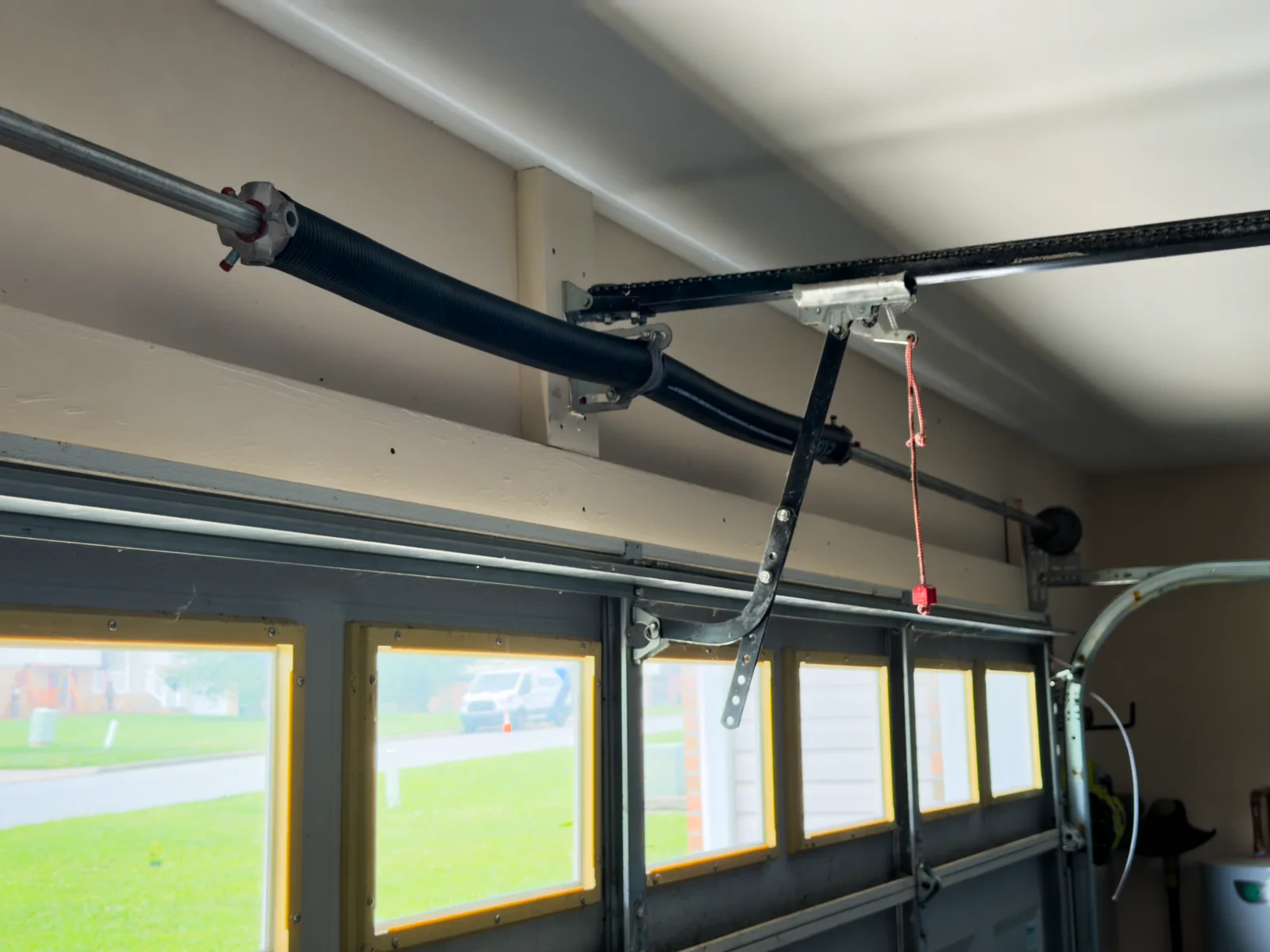
Beyond the Cold: Common Causes of Broken Springs
While cold weather is a major stressor, it often acts as the final straw for a spring that is already weakened. The most common cause of failure is simple wear and tear. Garage door springs are designed for a finite number of open-and-close cycles, and they eventually wear out. Rust and corrosion also play a significant role. Moisture from rain, snow, and humidity can cause rust to form on the spring coils. This corrosion creates weak spots in the metal that are prime locations for a break to occur. Finally, an imbalance in the system—from using the wrong size springs for your door's weight or from other components being worn or damaged—can put uneven stress on a spring, leading to premature failure.
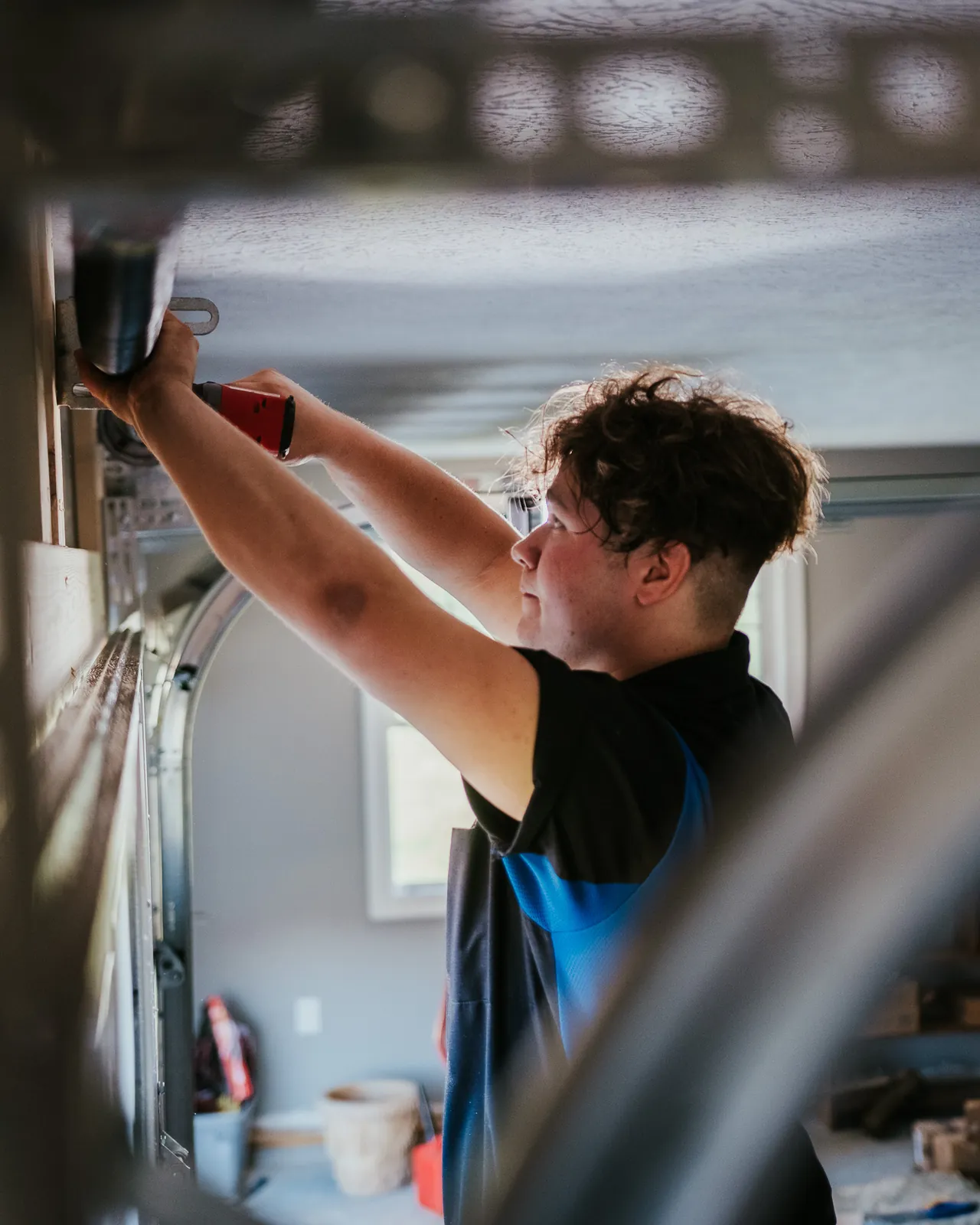
Symptoms of a Weak or Broken Garage Door Spring
A spring often gives warning signs before it fails completely. If you suspect any issue with your springs, stop using the door immediately and keep people, pets, and vehicles clear until it can be professionally inspected. A complete break is often accompanied by a very loud bang or pop, sometimes mistaken for a gunshot. This sound is the spring releasing its stored energy all at once. Other signs include:
- The garage door opener strains but only lifts the door a few inches before stopping.
- The door looks crooked or uneven as it moves or when it's closed.
- You can see a visible gap (about two inches wide) in a torsion spring.
- The door slams shut much faster and harder than it normally would.
- You notice that the lift cables are loose, tangled, or have come off their pulleys (drums).
Prevention and When to Call a Professional
While any adjustment or replacement of springs requires a trained technician due to extreme safety risks, homeowners can take a few steps to help maintain their system. Periodically conduct a visual inspection from the ground. Look for signs of rust or obvious damage on the springs, cables, and rollers. Listen for any new grinding, squeaking, or popping sounds during operation. You can also clean debris out of the door tracks. For other tasks, like lubricating moving parts, it's essential to consult your owner's manual for specific instructions on what to lubricate and what type of product to use.
The most important preventative step is scheduling a professional maintenance visit. A technician can safely inspect, balance, and lubricate the entire system, identifying worn parts before they fail. Never attempt to adjust, repair, or remove torsion springs, extension springs, lift cables, or the brackets they attach to. These components are under extreme tension and can cause severe injury. If you suspect a broken spring, do not operate the door or pull the emergency release cord.