
Inspect Your Door's Weather Seals
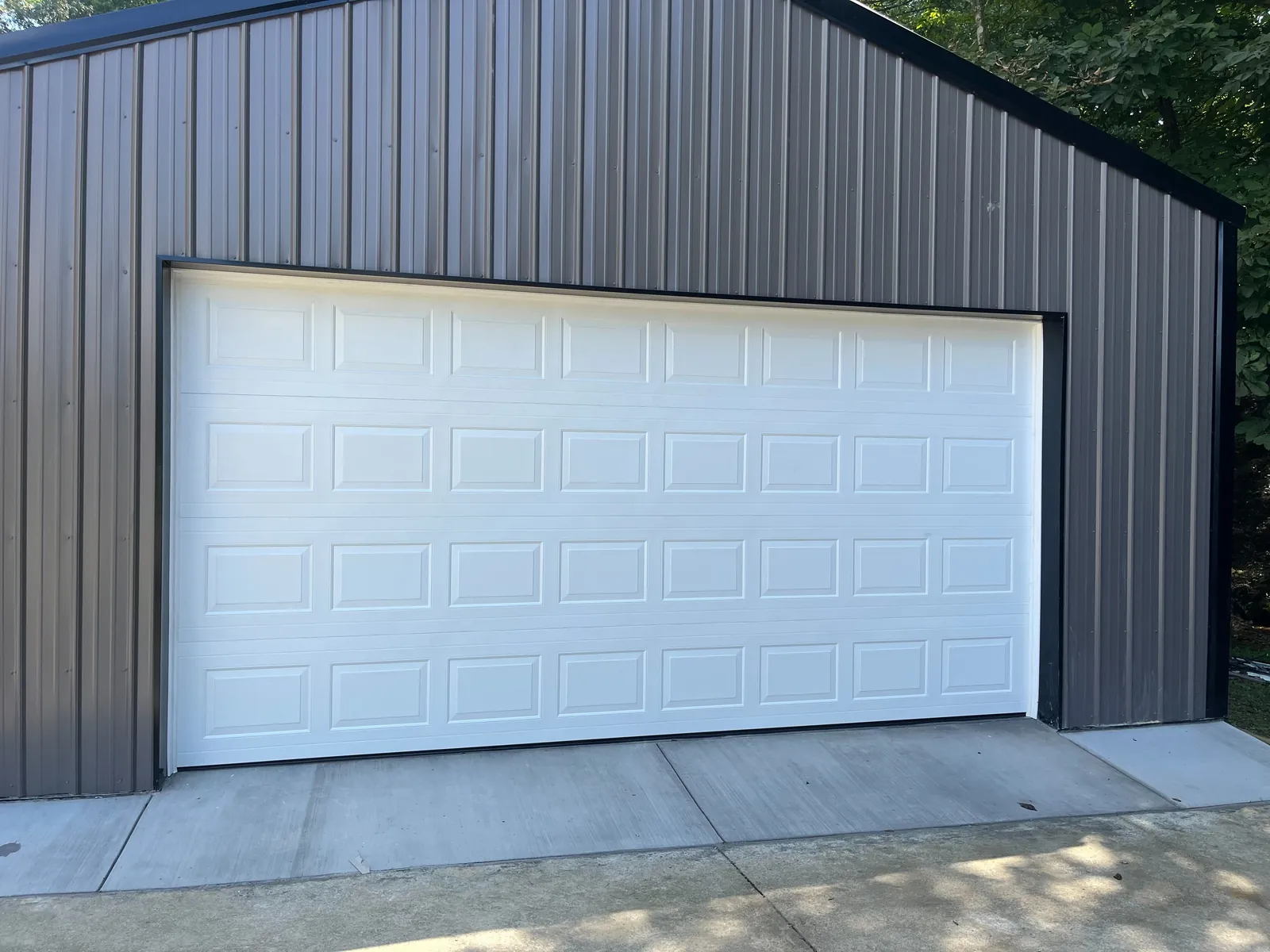
Your first line of defense against winter's chill is the weather stripping around your garage door. Take a close look at the flexible vinyl or rubber seal at the bottom of the door. Is it cracked, brittle, or flattened? Are there visible gaps between the seal and your garage floor? A damaged bottom seal allows cold air, water, and even pests to enter. Also check the weather stripping along the sides and top of the door frame. Intact, pliable seals are essential for creating a barrier against drafts, which can help keep the garage slightly warmer and protect the contents within from harsh weather.
Perform Basic Maintenance and Cleaning
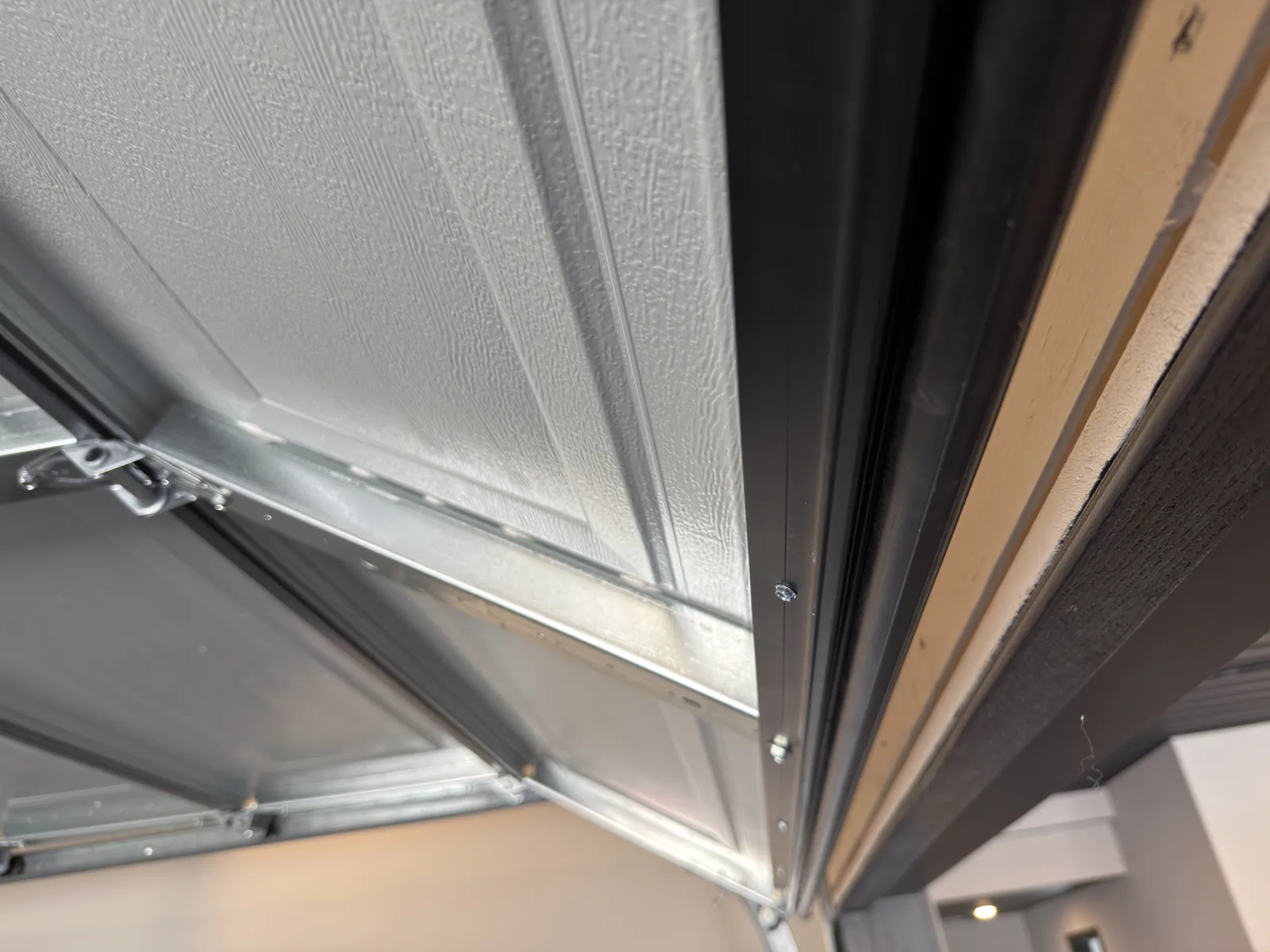
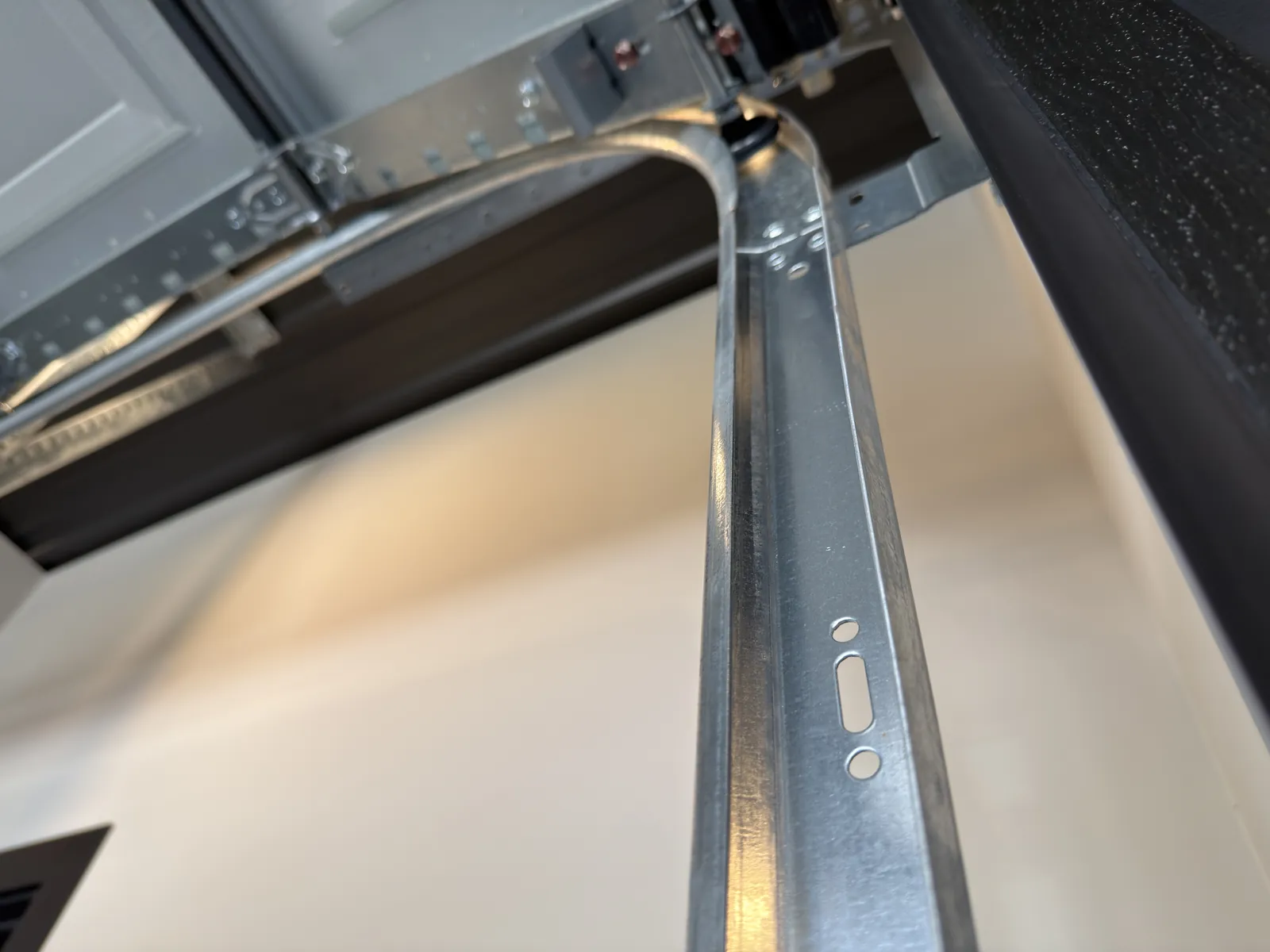
A few simple tasks can help your door run more smoothly when the temperature plummets. Start by watching and listening to your door as it operates. Are there any new scraping, grinding, or squealing sounds? These often indicate parts that need attention. Next, with the door securely closed, wipe down the inside of the tracks with a damp cloth to remove any dirt or debris that could impede the rollers. Finally, consult your garage door or opener owner's manual for lubrication guidelines. It may recommend applying a garage-door-specific lubricant to metal hinges, rollers, and springs to ensure quiet, smooth movement. Never lubricate nylon rollers unless your manual specifically instructs you to do so.
SAFETY WARNING: Only perform maintenance you are comfortable with and that is recommended in your owner's manual. Never attempt to adjust, repair, or remove high-tension components like springs, cables, or the red-colored bottom brackets. These parts are under extreme tension and can cause serious injury if handled improperly.
Test Your Safety Reversal Features
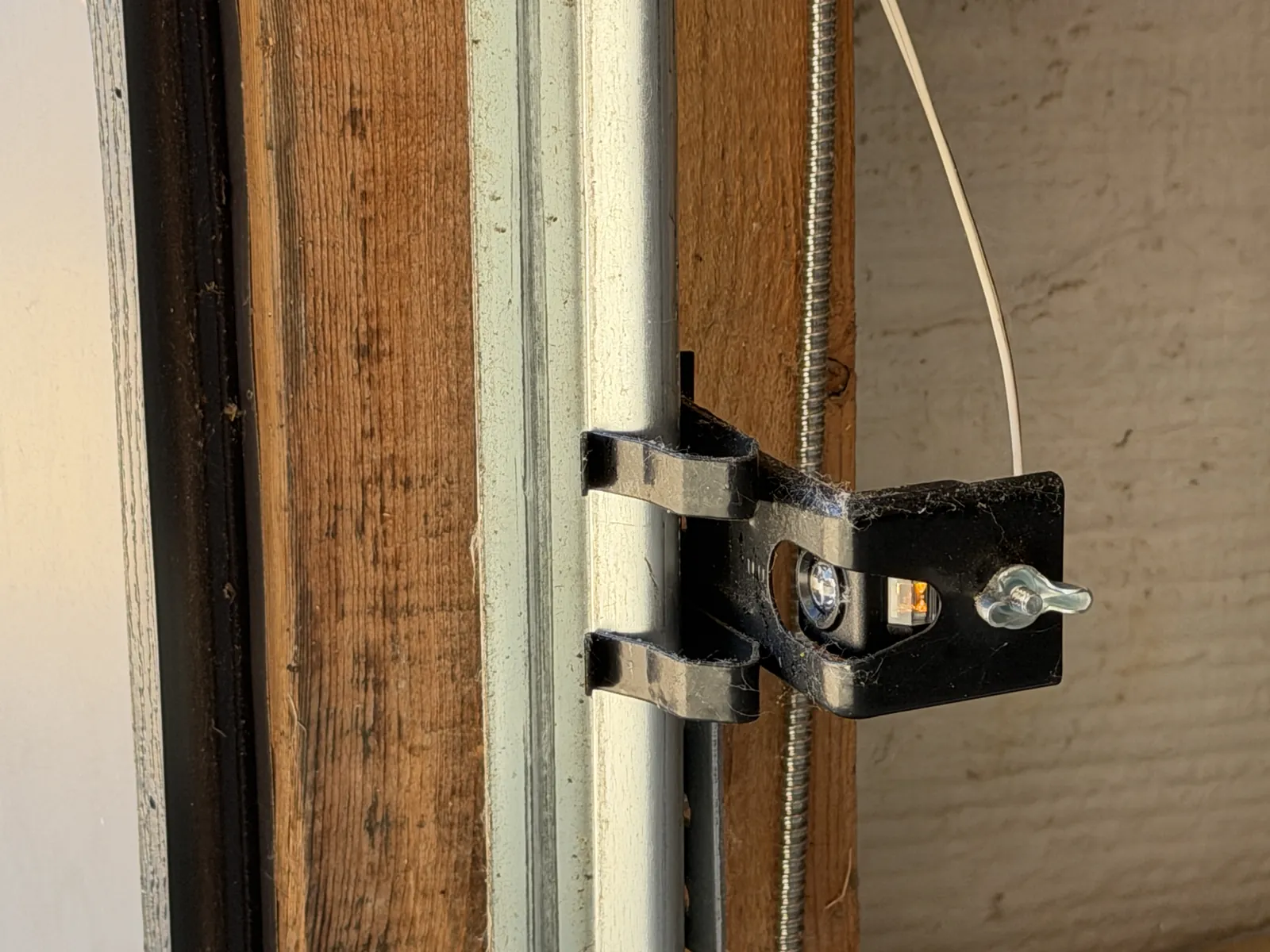
The auto-reverse mechanism is your garage door's most important safety feature, and it's critical to ensure it's working correctly. You can test it easily once a month. Follow the safety-reversal test in your opener's manual, with the test object it specifies, only on a level, undamaged door that moves normally. When you close the door, it should make contact with the object and immediately reverse direction. You should also check your photo-eye sensors located near the bottom of the track on each side. Wipe the lenses clean and check their indicator lights against your opener manual, since what they should show varies by model. If the door fails to reverse or the sensors are malfunctioning, stop using the opener and schedule a professional inspection.
Prepare the Interior for Winter Conditions
An organized garage is a safer garage, especially in winter. Take time to clear clutter from walkways and the area where your car parks. This prevents tripping hazards and ensures you can move around safely when floors might be wet or icy. Consider creating a designated "drop zone" near the entry to your home with absorbent mats for wet boots and coats. This helps contain slush, salt, and water, preventing slips and keeping your main living areas cleaner. If you have exposed water pipes in your garage, wrapping them with foam pipe insulation is a simple step to help prevent freezing.
- Organize summer equipment to create clear, safe pathways.
- Place heavy-duty mats to absorb water and provide traction.
- Winterize gas-powered tools like lawnmowers by following manufacturer directions.
- Check batteries in garage-stored items like smoke detectors.
Consider the Benefits of an Insulated Door
If your garage is consistently cold and drafty, your garage door itself may be the main culprit. Non-insulated doors offer very little resistance to temperature transfer. Upgrading to an insulated garage door can make a significant difference in the temperature of your garage. This not only makes the space more comfortable but also helps protect vehicles and stored items from extreme cold. An insulated door can also help reduce energy loss if you have a living space above or adjacent to the garage. Beyond temperature control, insulated doors are typically constructed to be stronger and more durable, and they often operate more quietly than their non-insulated counterparts.
Address Heat Loss Through Walls, Ceilings, and Windows
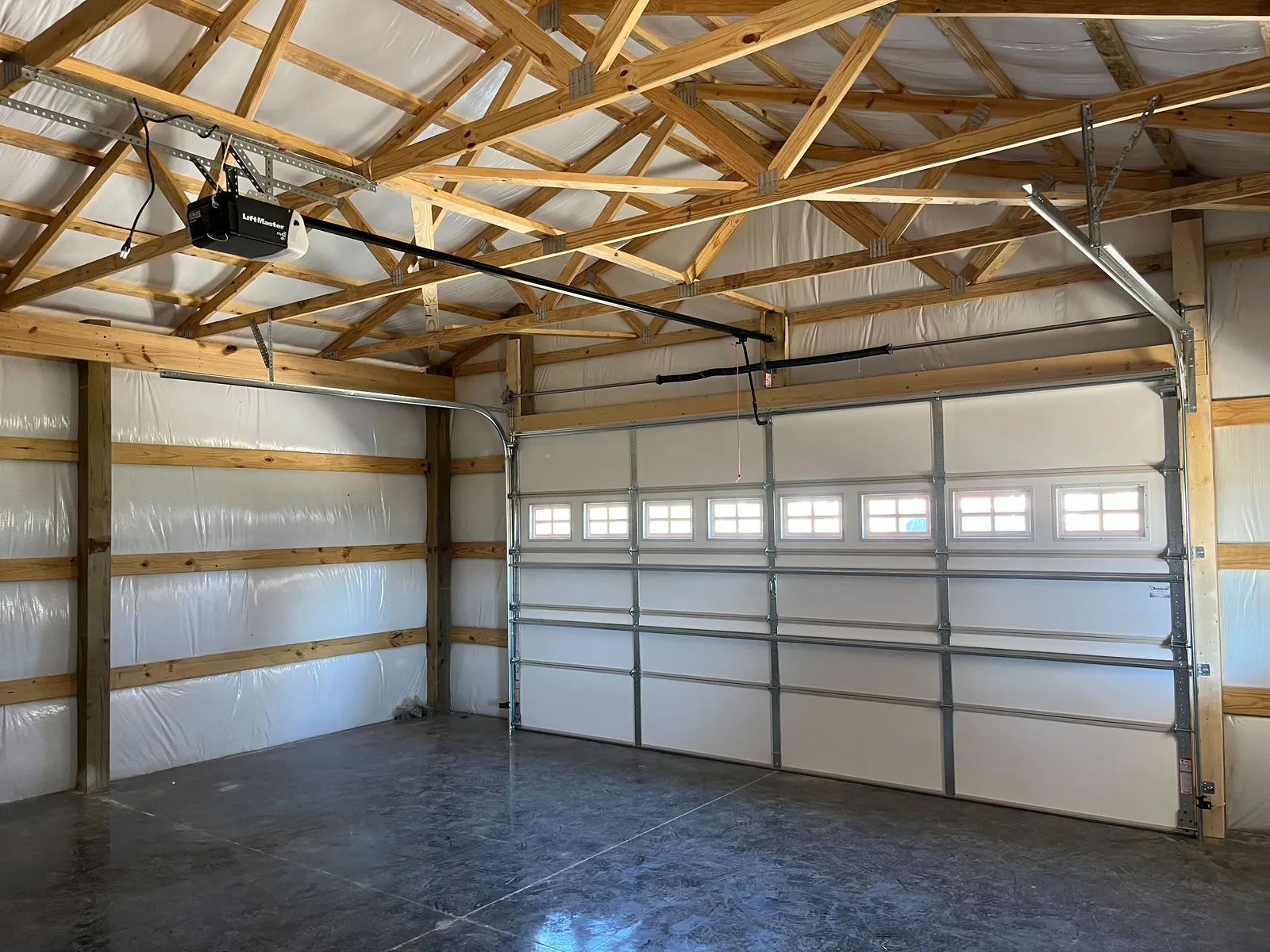
An insulated garage door addresses only part of the space. Unfinished walls and exposed ceiling framing can also leave the garage vulnerable to winter cold. Consider suitable insulation for these areas, along with weather-resistant window film. These improvements complement door seals rather than replace them.
Look for cracks in exterior walls and small gaps around window frames where cold air can enter. Use a sealant suited to the exterior surface and caulk appropriate gaps around window frames according to product instructions. Keeping these openings sealed helps limit cold-air entry into the garage.
- Check exposed wall and ceiling areas for missing insulation.
- Inspect window edges and exterior walls for visible gaps.
- Choose insulation and sealing materials intended for the surface involved.
Protect the Garage Floor from Road Salt
Water is not the only thing your vehicle brings into the garage during winter. Road salt can cling to the vehicle and collect on the floor as snow and slush melt, potentially damaging the floor’s finish. A suitable floor sealant can help protect the surface from this seasonal exposure.
Before applying a sealant, follow its instructions for surface preparation and application, and check that it is compatible with your existing floor finish. Continue cleaning the floor afterward; a sealed surface still needs care as salt and winter grime accumulate.
- Check compatibility with the floor’s existing finish.
- Follow all surface preparation and application instructions.
- Keep cleaning away accumulated salt and winter grime.