
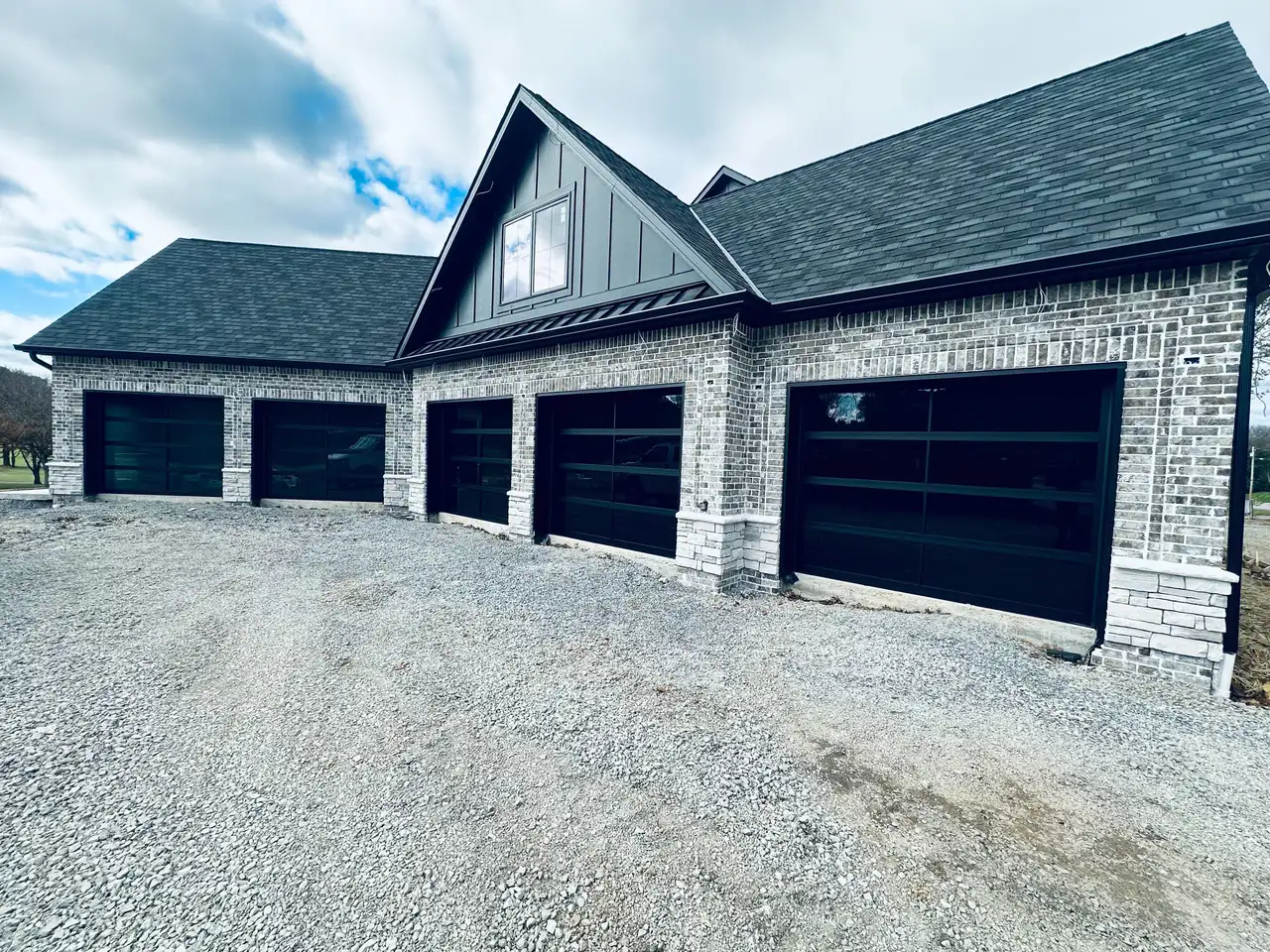
When Repair is the Practical Choice
A targeted repair may make sense when the door is sound and the problem is limited to a repairable component. Have a technician assess damage that affects the door's movement or structure.
Common situations where repair is often the best path forward include:
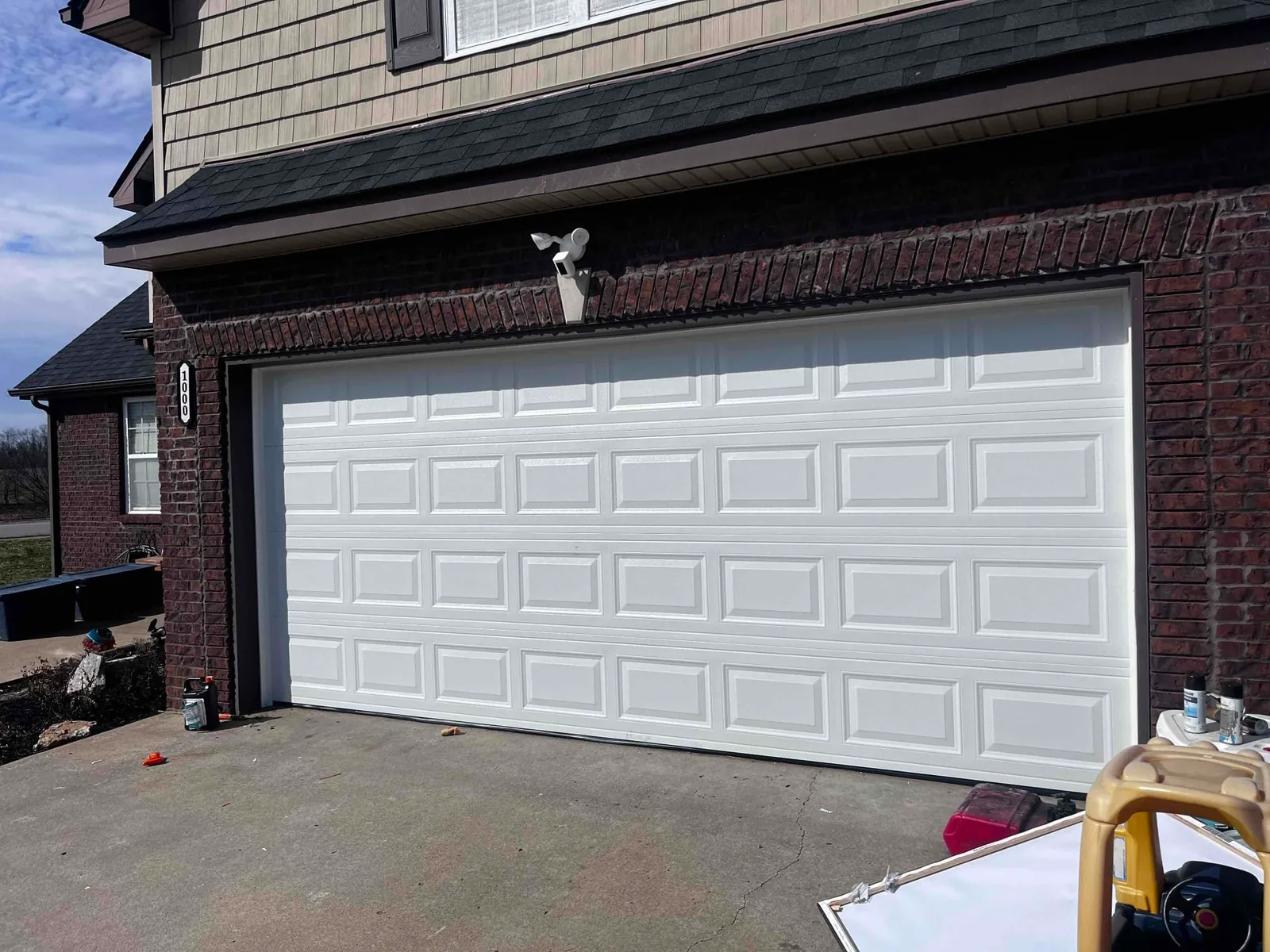
Minor cosmetic issues: Small dents, dings, or scratches on a single panel may be repairable. If the damage doesn't affect the door's structural integrity or movement, fixing the affected area is a viable choice.
Specific part failures: Components like rollers, hinges, and opener parts can wear out over time. A professional can replace these individual parts to restore smooth and quiet operation.
Opener malfunctions: Assess the opener separately from the door. If the door is sound, an opener repair or replacement may be all that is needed; confirm the diagnosis and compatibility before choosing.
Safety Warning: High-Tension Components
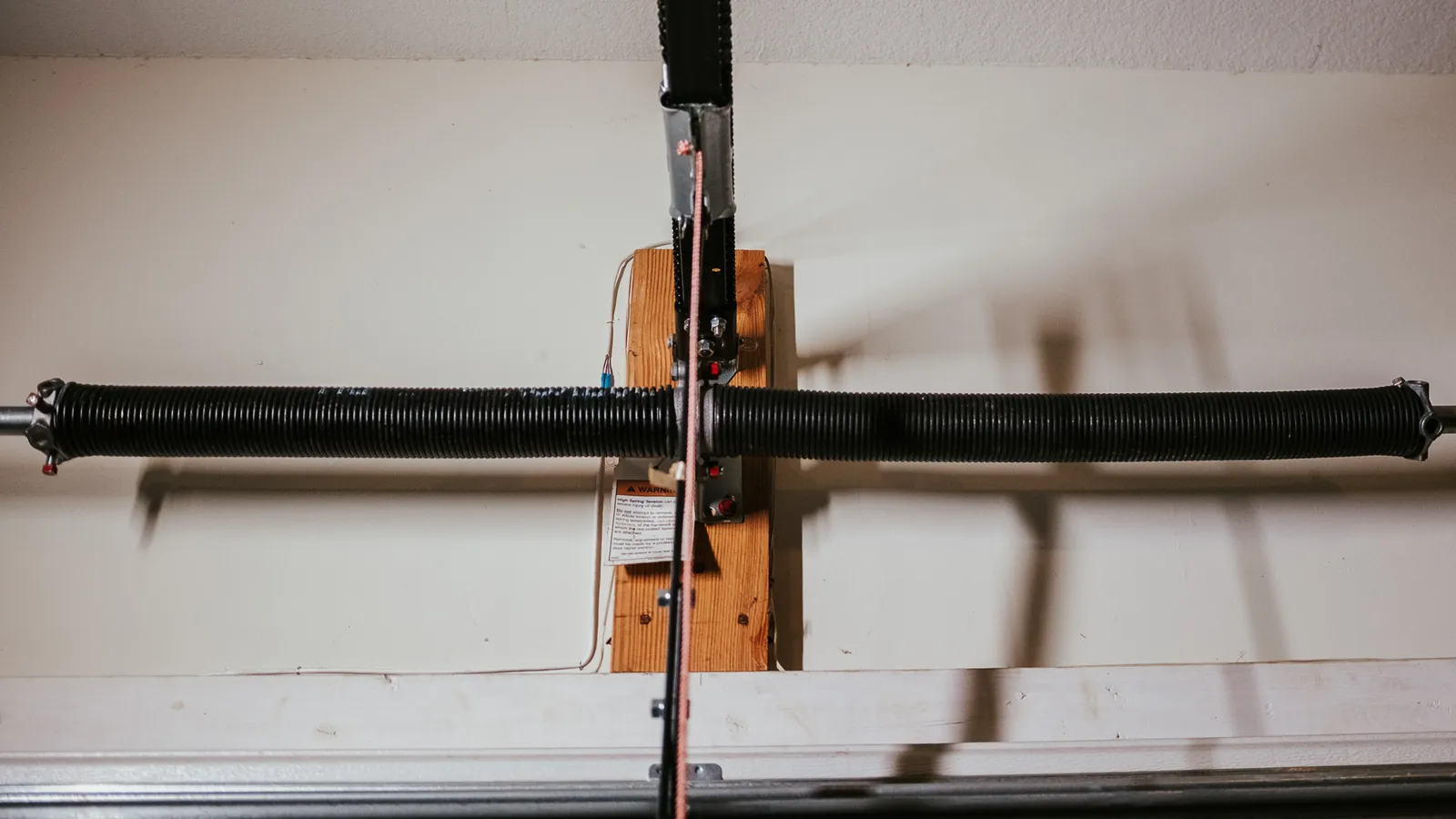
Your garage door's counterbalance system, which includes the springs and cables, is under extreme tension. These parts are responsible for lifting the entire weight of the door and can cause serious injury or property damage if they break or are handled improperly. Never attempt to adjust, repair, or remove garage door springs, cables, or the bottom brackets they connect to. These tasks should only be performed by a trained and qualified garage door technician. If you suspect a broken spring or cable, stop using the door immediately, keep the area clear, and call a professional for a safe inspection and repair.
Signs It's Time for a New Garage Door
Compare replacement when damage affects several sections, the structure is compromised, or repairs keep recurring.
Consider a full replacement if you notice these signs:
Widespread or severe damage: A major impact can cause multiple warped or broken panels, a bent frame, or other structural issues that are impractical or impossible to repair effectively. In these cases, the door's safety and integrity are compromised.
Frequent breakdowns: Add up recent repairs and ask which worn parts may need attention next. Compare that work with the replacement door you would actually choose.
Older safety features: Ask a technician to assess the door, opener and safety devices together. Replacing a door does not by itself establish that every part of the existing system meets current requirements.
Poor performance and appearance: An old, uninsulated door can make your garage uncomfortable and affect your home's energy efficiency. Furthermore, a faded, dented, or outdated door can significantly detract from your home's curb appeal.
Basic Troubleshooting Steps for Homeowners
If your garage door won't open or close, first ensure it's safe to proceed. If the door is hanging unevenly, off its tracks, or you hear a loud bang indicating a broken spring, STOP. Do not operate the door or pull the emergency release. Keep people and vehicles away and call a professional immediately.
If there are no obvious signs of severe mechanical failure, you can check a few things yourself:
- Check for Power: Is the garage door opener plugged into a working outlet? Check your circuit breaker or GFCI outlet.
- Inspect the Remote: Try the wall-mounted button. If it works, the issue is likely your remote. Try changing its batteries.
- Check the Lock Feature: Some wall consoles have a vacation lock switch that disables remotes. Make sure it's not activated.
- Clear the Path: Remove any objects that might be blocking the door's path or the electronic safety sensors near the floor.
- Check the Safety Sensors: The small sensor 'eyes' on each side of the door must be aligned. Look for indicator lights on the units; wipe the lenses and check the lights against your opener manual, which explains what they should show for your model.
How Regular Maintenance Influences Your Decision
Maintenance history helps a technician assess the door's condition. Routine checks can reveal wear, but they do not guarantee that a repair or replacement will be avoided.
Follow the safety-reversal test in your opener's manual, with the test object it specifies, only on a level, undamaged door that moves normally. You can also lubricate metal hinges and rollers according to your owner's manual. These simple habits not only keep the door running smoothly but also help you develop a better understanding of its condition, making the 'repair or replace' decision clearer when the time comes.
What to Include When Comparing Repair and Replacement
Ask for written prices covering the full work: parts and labor for repair; door size, material, insulation and installation for replacement. Check whether opener or sensor work, wiring and old-door disposal are included.
Include ongoing maintenance and any other worn components in your comparison. Age alone should not decide the outcome.
- Identify the parts and labor included in the repair.
- Compare replacement doors with the materials, insulation and features you actually want.
- Clarify whether opener work, sensors, wiring and old-door disposal are included.
A Broken Spring or Cable Does Not Automatically Mean a New Door
A spring or cable failure can make a door unsafe to use without making the entire door beyond repair. If the panels and supporting structure remain sound, a technician may be able to replace the failed components rather than the whole door. Track misalignment can also call for a targeted professional repair, provided an inspection finds no broader damage.
Keep the door out of use while these problems are assessed. Do not handle tensioned components, pull the emergency release or try to lift a crooked or uneven door by hand. The repair-versus-replacement decision should follow an inspection of both the failed part and any damage its failure may have caused.
Compare the next three years, not only today’s repair
Ask a technician which parts already show wear and what maintenance or repairs may be needed over the next three years. Compare those likely costs with the new door you would actually choose, rather than assuming every older door will need the same repairs.
Set the written repair scope beside the written replacement scope, including parts, labor, maintenance and any separate opener work. Future repair costs are estimates, not guaranteed expenses or savings.
There is no single repair-cost percentage that decides the answer. A failed component on sound panels differs from repeated repairs plus structural damage. Assess the opener separately: keep it only if its condition and compatibility support the chosen door.