
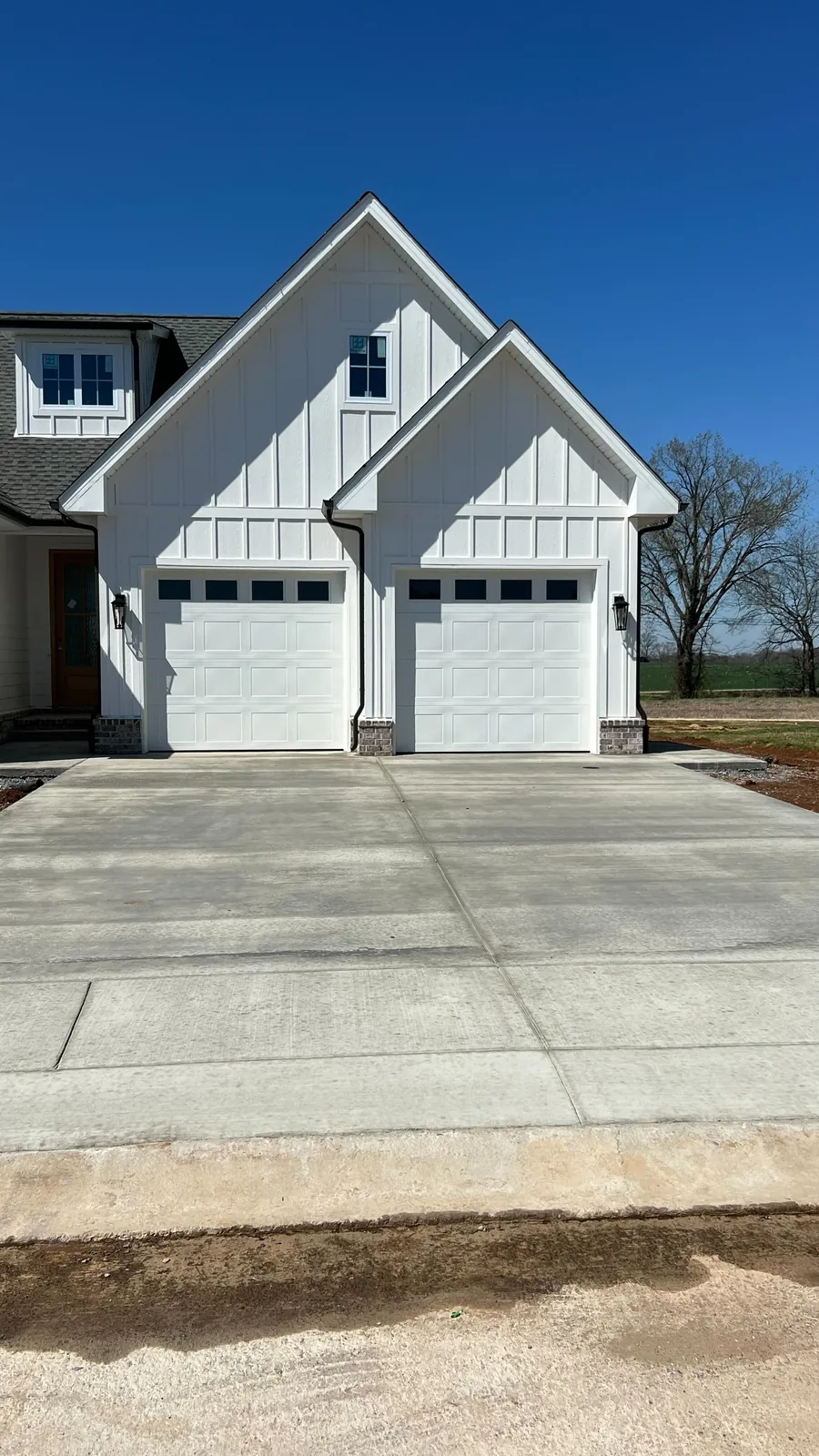
Key Warning Signs of System Failure
Pay close attention to how your garage door sounds and moves. If it has started making loud grinding, scraping, or groaning noises, it's a clear signal that components are strained, worn, or out of alignment. Similarly, if the door shudders, jerks, or moves unevenly as it opens and closes, it indicates a problem that goes beyond a simple fix. A door that operates much slower than it used to or fails to open or close completely may have issues with the opener, springs, or the door's balance. If you notice any of these signs, stop using the door to prevent further damage or an accident, and keep the area clear until it can be professionally inspected.
Assessing Physical Damage and Deterioration
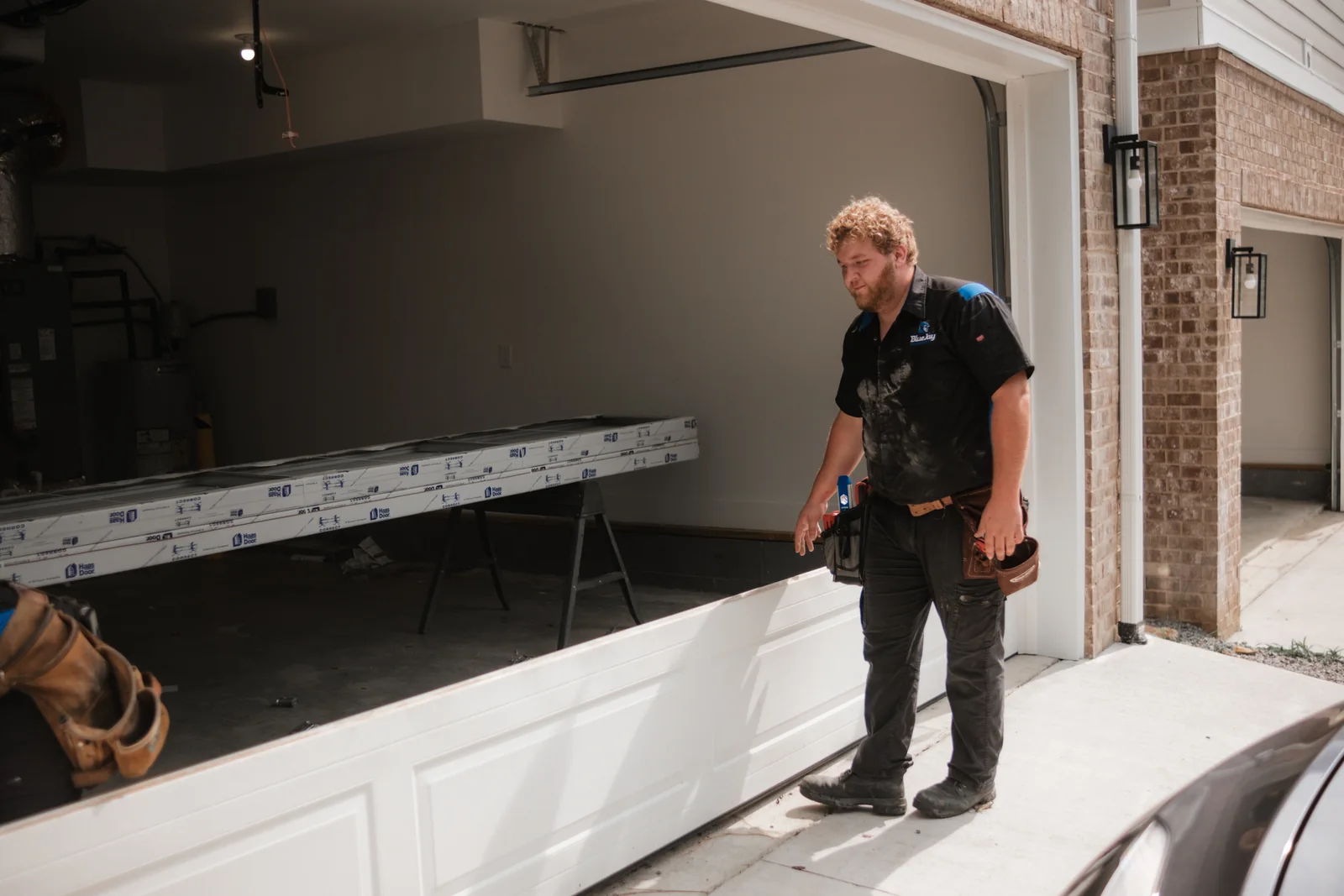
Visible damage is one of the most obvious reasons for replacement. Multiple cracked, warped, or dented panels don't just detract from your home's curb appeal; they compromise the door's structural integrity. A weakened door is less secure and may not function properly. Extensive rust or rot, especially along the bottom section, can make the door unsafe and allow pests and weather inside. While it's sometimes possible to replace a single damaged panel, if the damage is widespread, the panel model is discontinued, or the rest of the door is aged, a full replacement is often the most practical long-term solution.
Outdated Safety and Security Features
If your garage door system is several decades old, it may lack essential safety features that are now standard. Modern garage door openers include photoelectric safety sensors (photo eyes) that automatically reverse the door if an object breaks the beam near the floor. Older systems without this feature pose a significant safety risk. Upgrading to a new door and opener system not only enhances safety but also offers modern conveniences. Features like Wi-Fi connectivity allow you to operate and monitor your garage door from a smartphone, adding a new level of security and convenience to your home.
When Repair Costs Start to Add Up
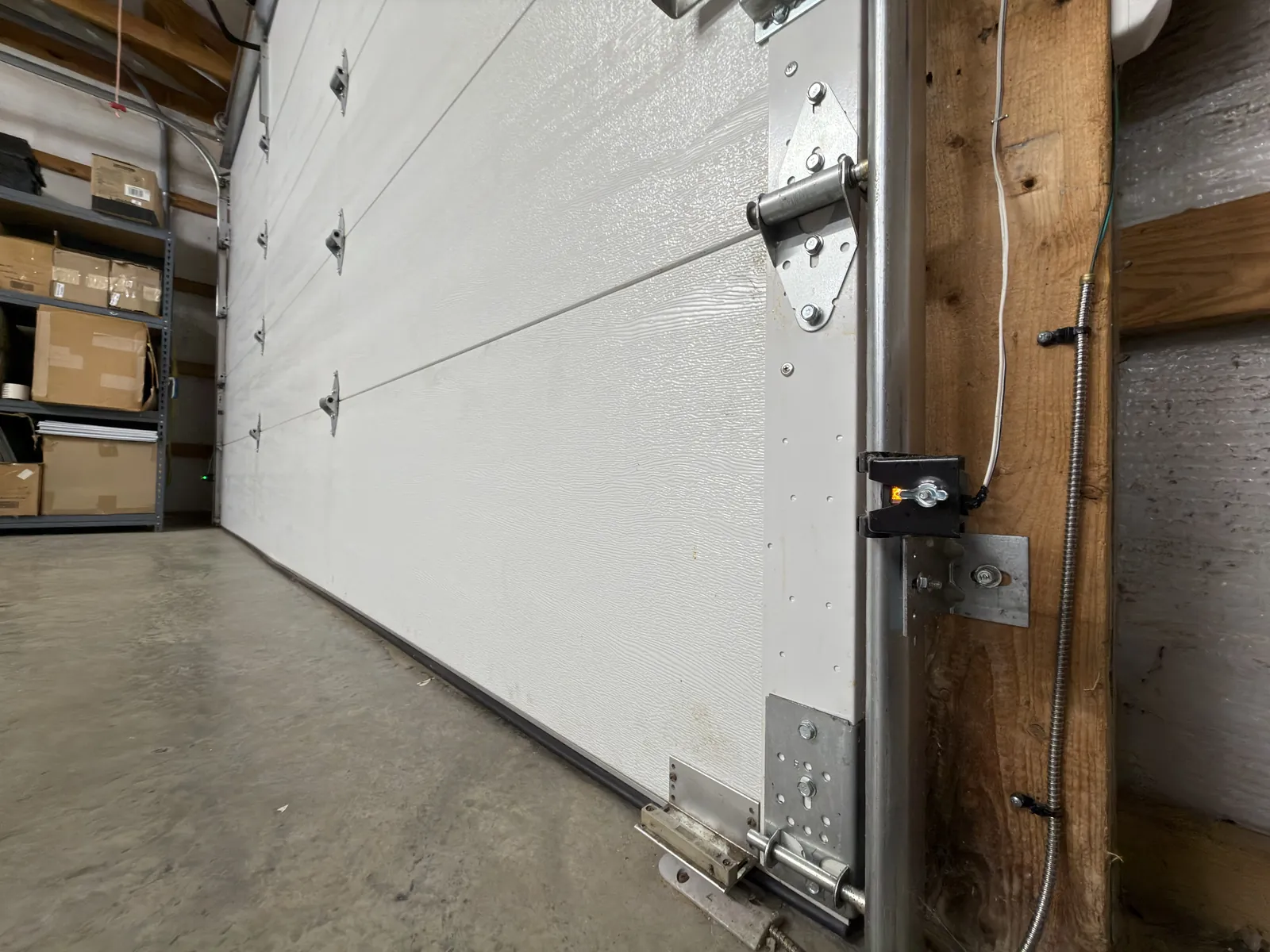
Consider the frequency and cost of repairs. While a one-time fix for a minor issue makes sense, if you find yourself calling for service every few months for different problems, the expenses can accumulate. A garage door is a system of interconnected parts, and when one major component fails due to age, others are often not far behind. At a certain point, investing in repeated repairs for an old, inefficient door becomes less economical than putting that money toward a brand-new, reliable system. A new door provides peace of mind and predictable performance, saving you from the hassle and expense of frequent breakdowns.
Consider garage door lifespan factors alongside the door’s condition and repair history.
Safe Homeowner Inspection and Maintenance
Performing regular, safe inspections can help you catch problems early and extend the life of your door. However, safety is paramount. High-tension components like springs and cables store immense energy and should only be handled by a trained professional. Here are a few things you can safely check yourself.
- Monthly Visual Check: Stand back and watch the door operate. Look for any jerky movements or listen for unusual noises. Visually inspect rollers, hinges, and tracks for obvious signs of wear or damage from a distance.
- Auto-Reverse Safety Test: Follow the safety-reversal test in your opener's manual, with the test object it specifies, only on a level, undamaged door that moves normally. When the closing door makes contact, it should immediately reverse. If it doesn't, stop using the opener and call for service.
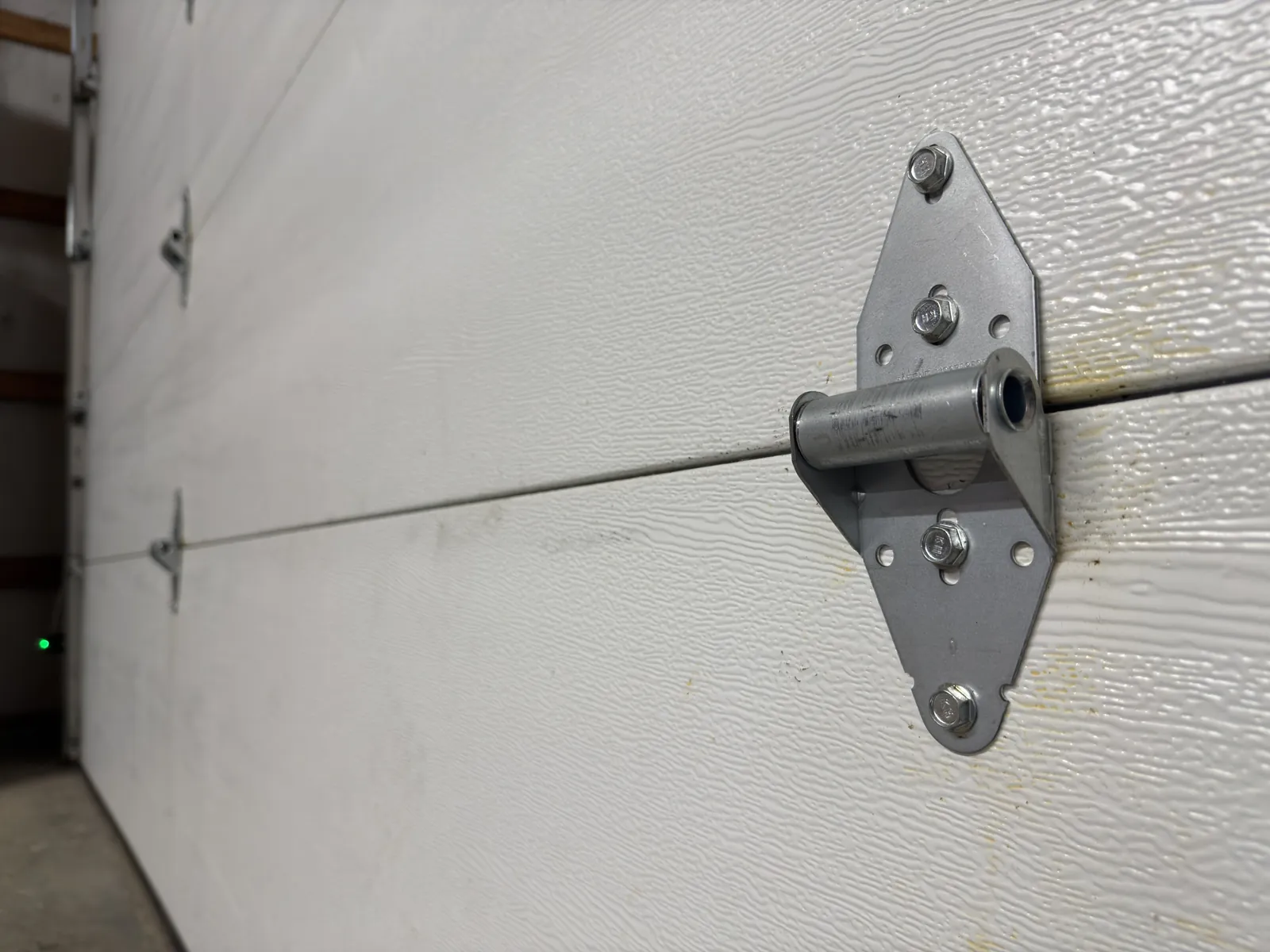
- Photo-Eye Sensor Check: Ensure the small sensor lenses near the bottom of the track are clean and pointing directly at each other. Most have an indicator light that shows they are aligned and working.
- Clear Debris: Check the door tracks for any dirt, pebbles, or other obstructions and carefully remove them. Do not use force or attempt to bend the tracks back into shape if they are damaged.
- Lubrication: If recommended by your door’s manufacturer, apply a garage door-specific lubricant only to the parts the manufacturer lists, and only on a door that is moving smoothly.
Insulation and Garage Temperature Comfort
If your garage is harder to keep comfortable or your household energy usage has increased, the door’s insulation and condition are worth evaluating. Neither issue alone proves that you need a replacement. Check visible weather seals for gaps or deterioration, and have damaged panels assessed to determine whether a targeted repair could address unwanted air movement.
Its effect depends on the rest of the garage, including insulation, air leaks, and whether the space is heated or cooled. Consider insulation alongside structural condition and reliability rather than assuming a new door will lower utility bills.
Appearance and Resale Plans Can Also Influence the Decision
Replacement can be an opportunity to choose a style that better complements your home’s exterior, even when appearance is not the main reason the old door needs attention. If you plan to sell, an attractive, well-functioning garage door may also support buyer appeal and resale value.