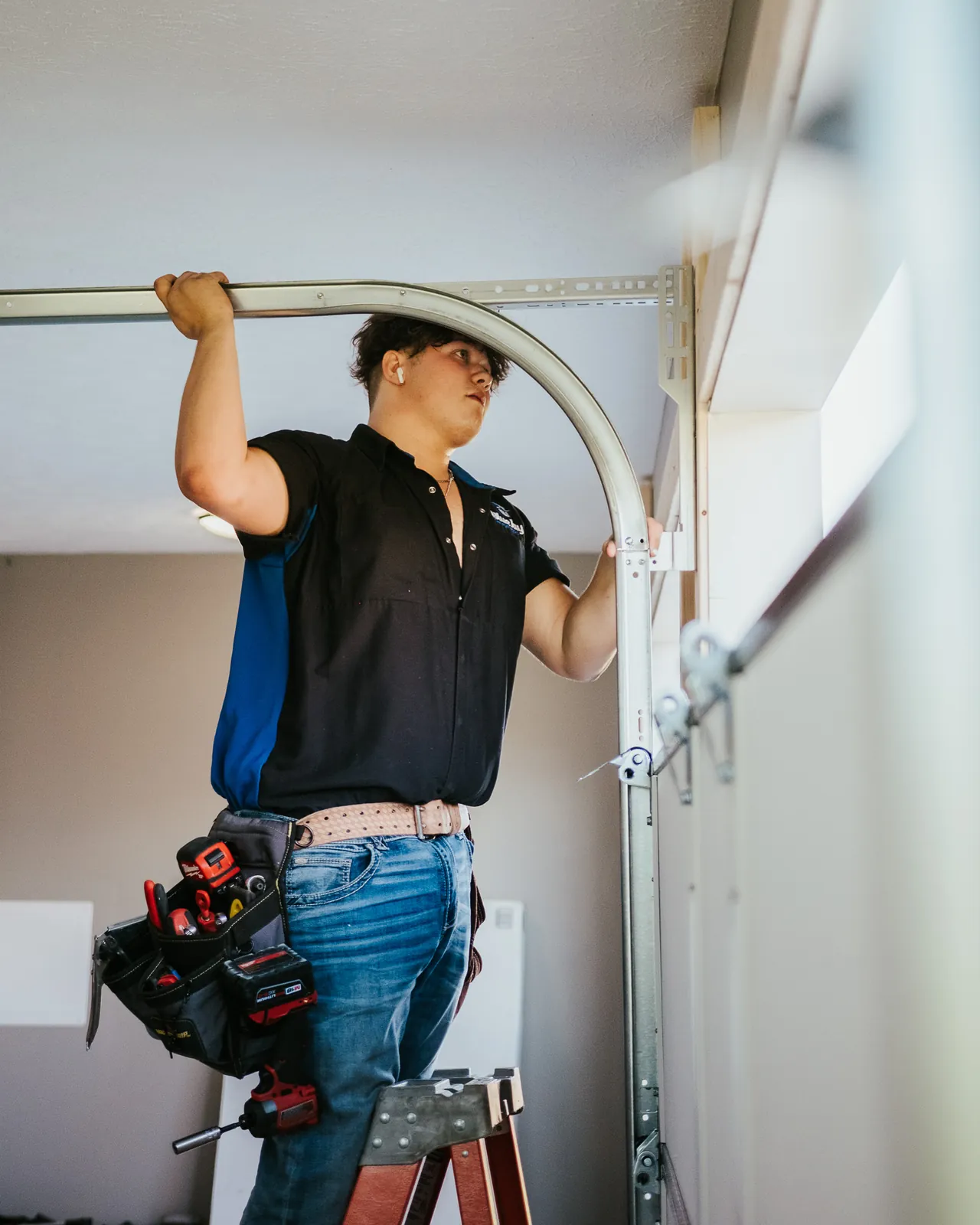
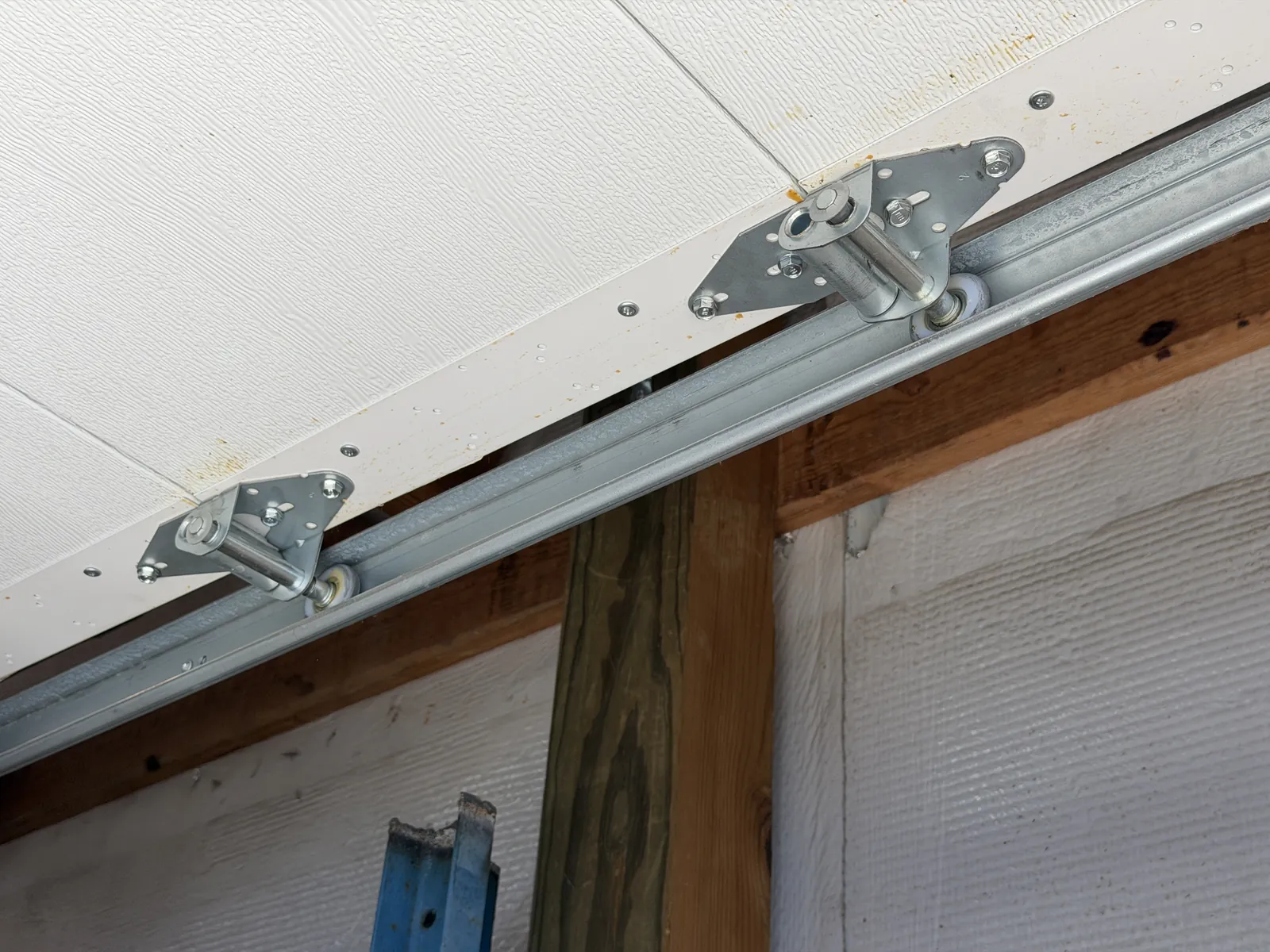
Common Causes of Garage Door Noise
Noise is a symptom. When your garage door operates loudly, it's often a sign of stress, friction, or wear on its mechanical parts. Just like a squeaky wheel on a car, it's an indication that something needs attention. Identifying the source of the sound is the first step toward finding a quiet, long-term solution. While some issues are minor, others can point to significant safety hazards.
- Worn Rollers: Old metal rollers grinding against metal tracks create significant friction and scraping sounds as they age.
- Loose Hardware: Over time, daily vibrations can loosen the nuts and bolts on hinges and fixtures, causing rattling and clanking during movement.
- Poor Lubrication: Metal parts that aren't properly lubricated will rub against each other, leading to squeaking, groaning, and grinding noises.
- Misaligned Tracks: If the metal tracks your door runs on are bent or out of alignment, the rollers can bind and scrape against the sides.
- Failing Counterbalance System: A sudden, loud bang often indicates a broken torsion or extension spring, a serious issue that makes the door unbalanced and unsafe to operate.
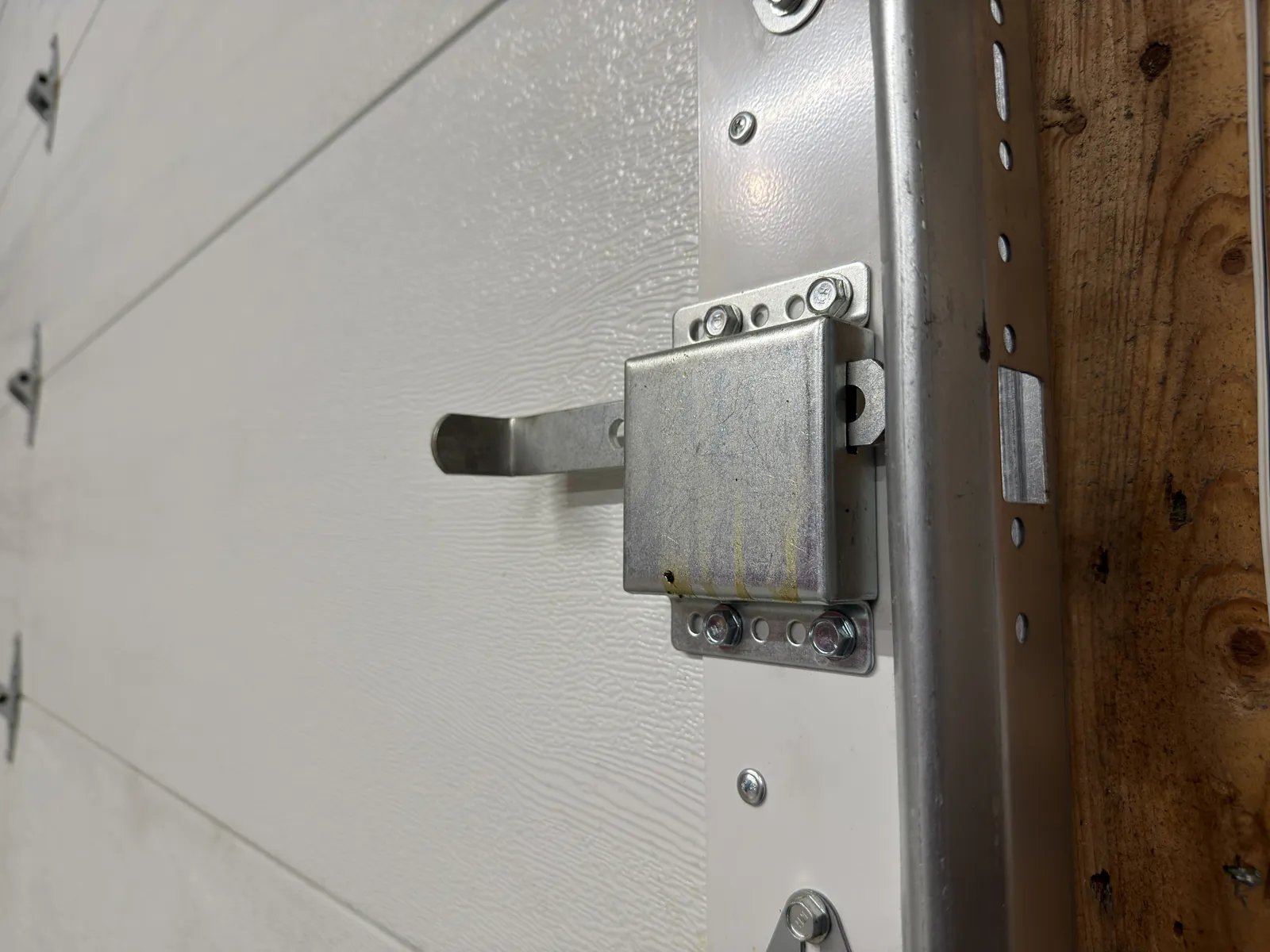
The Mechanics of a Quieter Garage Door
The secret to a quiet garage door lies in minimizing friction and vibration. Modern replacement parts are specifically engineered to address the shortcomings of older, standard-issue hardware. By focusing on smoother materials and more robust construction, these components allow the door to glide along its path instead of rattling and grinding its way up and down.
- Nylon Wheels: Unlike standard steel rollers, nylon rollers are made of a durable, self-lubricating material that dramatically reduces metal-on-metal contact with the track.
- Sealed Ball Bearings: High-quality rollers feature sealed ball bearings that reduce friction, prevent dirt and debris from getting inside, and ensure a smooth, quiet rotation.
- Heavy-Gauge Hinges: Upgraded hinges are typically thicker and more robust. They are less likely to flex or fatigue under the door's weight, contributing to more stable and quiet panel movement.
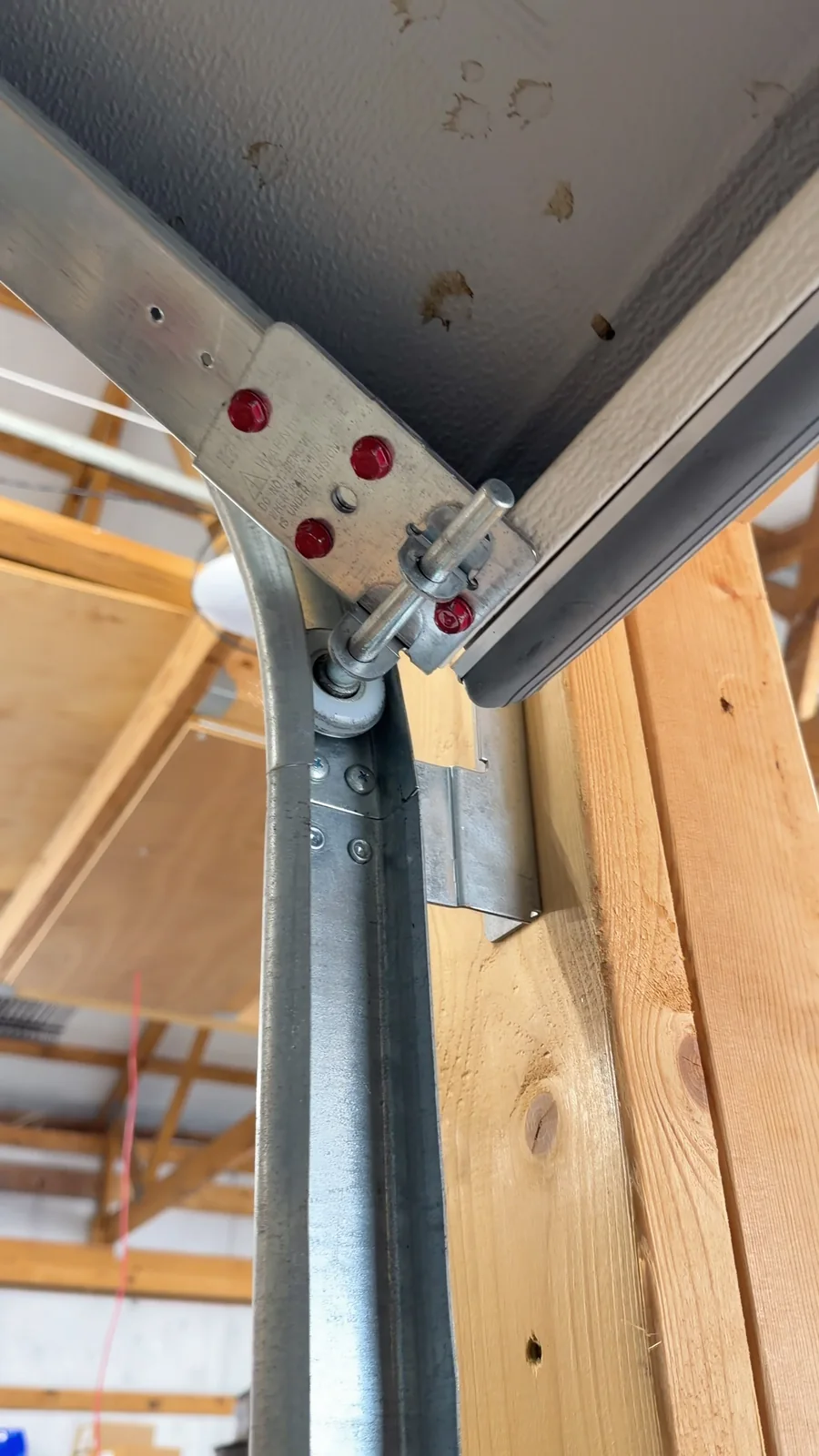
More Than Just Noise Reduction
Upgrading to quieter rollers and hinges offers benefits that extend beyond simply silencing a racket. A smoother-running door is a healthier, more efficient system overall, which can improve your daily routine and provide greater peace of mind.
- A More Peaceful Home: Eliminate jarring noises that can wake up family members or disrupt your day, especially if you have living spaces above or adjacent to the garage.
- Smoother Operation: New, low-friction components reduce the strain on your garage door opener's motor, helping the entire system work more efficiently.
- Fewer Vibrations: A quieter door also means fewer vibrations are transferred through the garage walls and into your home's structure.
- Easier Problem Detection: Once your door operates quietly, it becomes much easier to notice when a new, unusual sound appears, alerting you to a potential issue before it worsens.
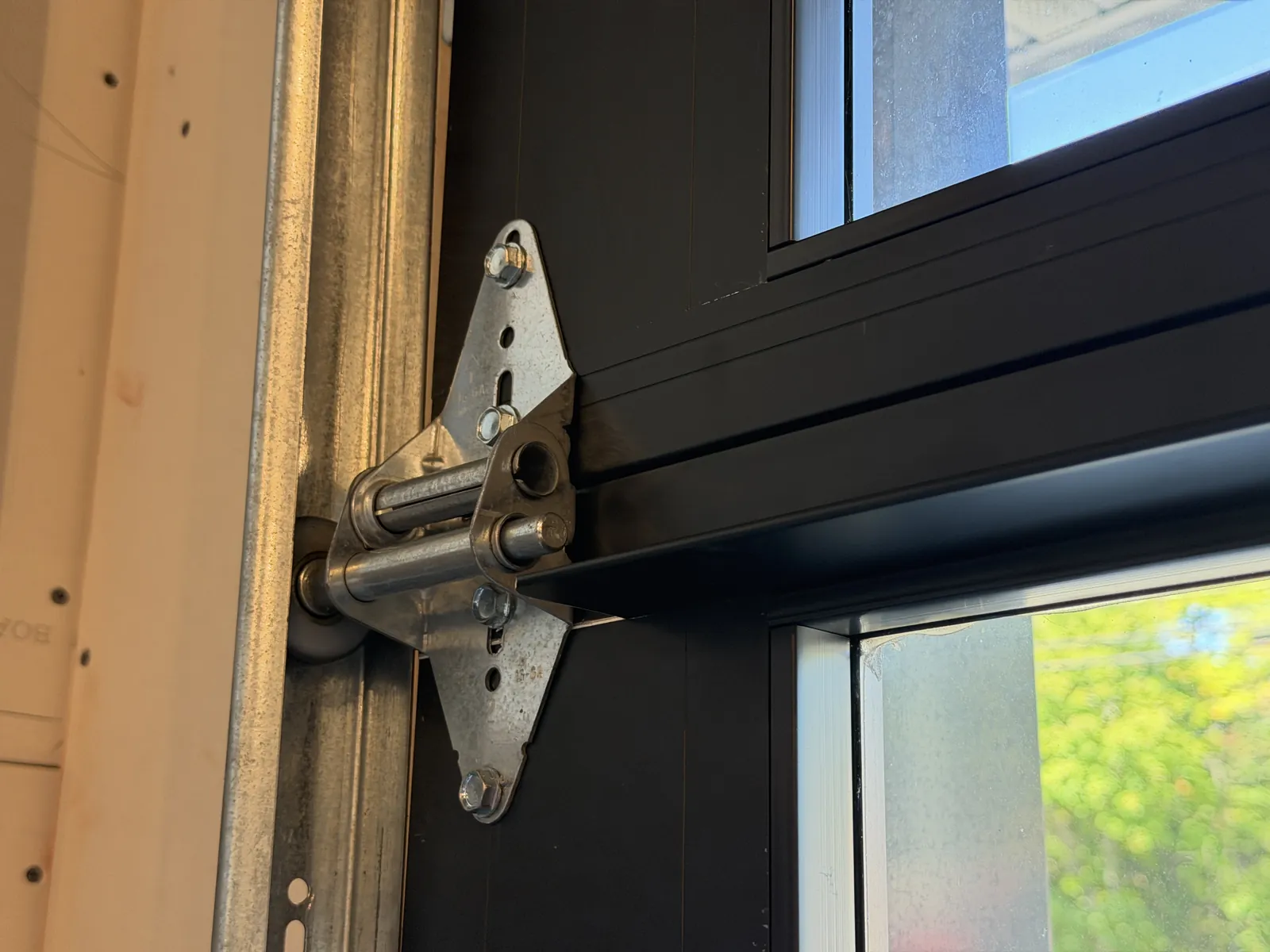
What to Look for in Quiet Rollers and Hinges
When considering an upgrade, it's about more than just picking any new part off the shelf. The quality and compatibility of the components are crucial for achieving a truly quiet and long-lasting result. The rollers must be the correct size—both in diameter and stem length—for your door's tracks and overall weight. Hinges also come in different gauges or thicknesses; using the right ones ensures the structural integrity of your door panels is maintained. A professional technician can assess your specific system and recommend the best-matched, most durable parts for a successful and safe upgrade.
Safe Troubleshooting vs. Professional Repairs
If your garage door suddenly becomes loud, your first step should always be safety. Stop using the door and keep people, pets, and vehicles clear of its path. A loud bang, a crooked door, or a visible broken spring or cable are signs of a serious problem that requires immediate professional attention. Never try to fix these issues yourself or remove parts like bottom brackets or lift cables. The door's counterbalance system is under extreme tension and can cause severe injury if handled improperly.
For general squeaks and rattles, there are a few safe things you can check. Visually inspect the tracks for debris like leaves or small stones and carefully clear them out. You can also refer to your owner's manual for guidance on lubricating specific moving parts like hinges and the stems of metal rollers (do not lubricate the tracks or nylon roller wheels). However, replacing rollers, hinges, or any part of the counterbalance system is a job for a trained technician who has the proper tools and knowledge to do the work safely.