Deciphering the Sounds: What Your Door is Telling You
Different noises can point to different problems. Paying attention to the specific sound can help you understand the potential severity of the issue. A consistent, low hum from the opener motor is normal, but new, loud, or intermittent noises are not.
Squeaking and Screeching: These high-pitched sounds are the most common and often point to a need for lubrication. Metal parts rubbing together, like hinges and the axles of metal rollers, will screech when dry.
Rattling: A rattling sound often suggests that some hardware has worked itself loose due to the door's constant vibration during operation. This could be nuts and bolts on the door panels or tracks.
Grinding or Scraping: This harsh sound is a cause for concern. It can mean a roller is broken and dragging instead of turning, or that debris is caught in the tracks. It may also indicate poor track alignment, causing the door to scrape against the metal as it moves.
Popping or Banging: A single, extremely loud bang is a major red flag. A broken torsion or extension spring is one possible cause. Stop using the door, do not pull the emergency release or try to lift it, keep everyone clear and call a technician.
Common Culprits Behind a Loud Garage Door
A garage door is a complex system, and noise can originate from several sources. Over time, parts wear out, lubrication dries up, and fasteners loosen. Identifying the general cause is the first step toward finding a solution.
- Lack of Lubrication: A common cause of squeaks on a door that otherwise moves normally. Follow your door or opener manual for which parts to lubricate; do not lubricate a door that is jerking or struggling.
- Loose Hardware: The vibrations from opening and closing the door can cause nuts, bolts, and brackets to loosen over time, leading to rattling and instability.
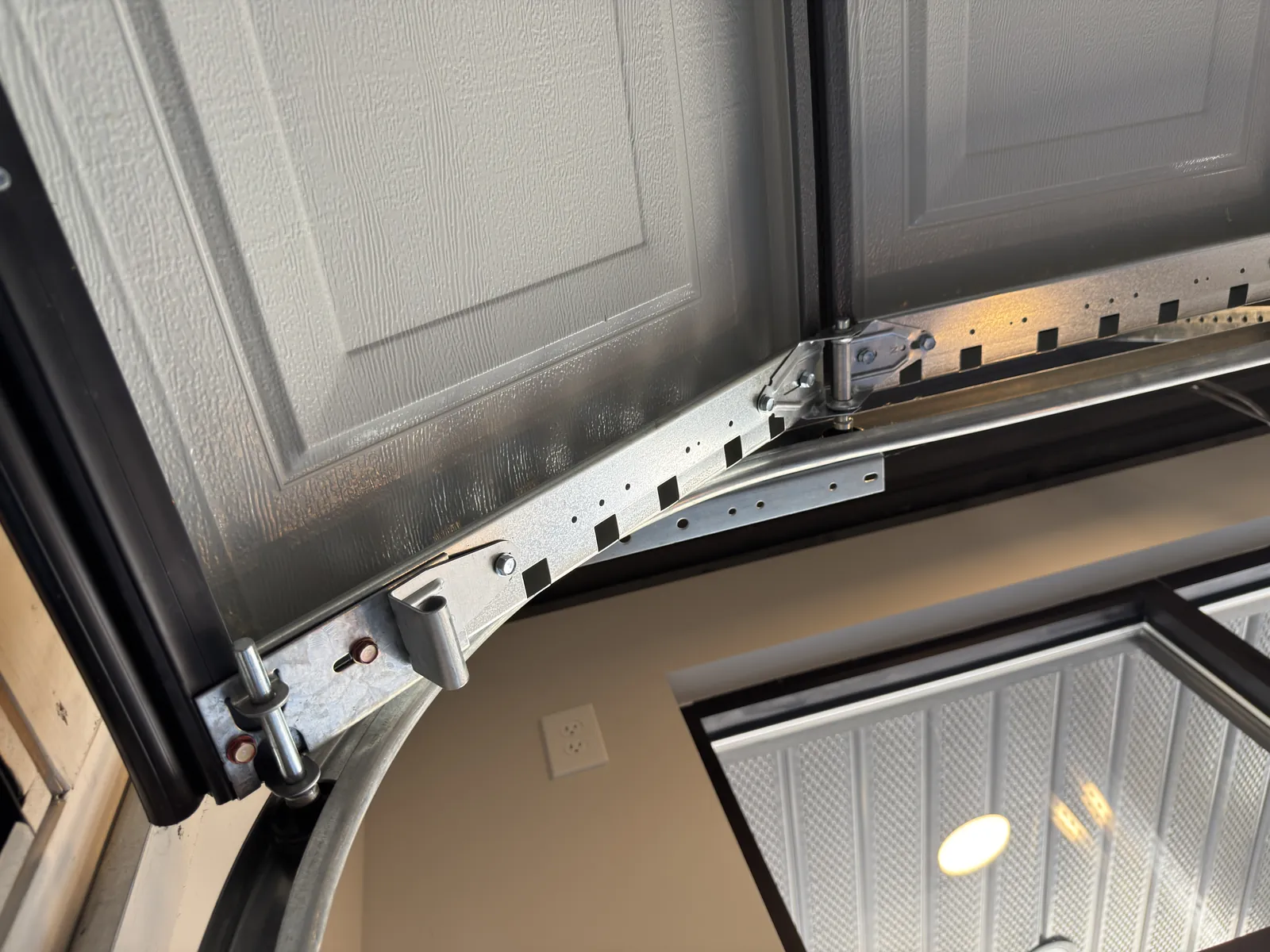
- Worn-Out Rollers: Old steel rollers can become worn and wobbly in the track, creating significant noise. The bearings can also fail, causing a grinding sound.
- Aging Garage Door Opener: Older openers, particularly chain-drive models, are inherently noisy. As the chain and sprockets wear, the noise can become even worse.
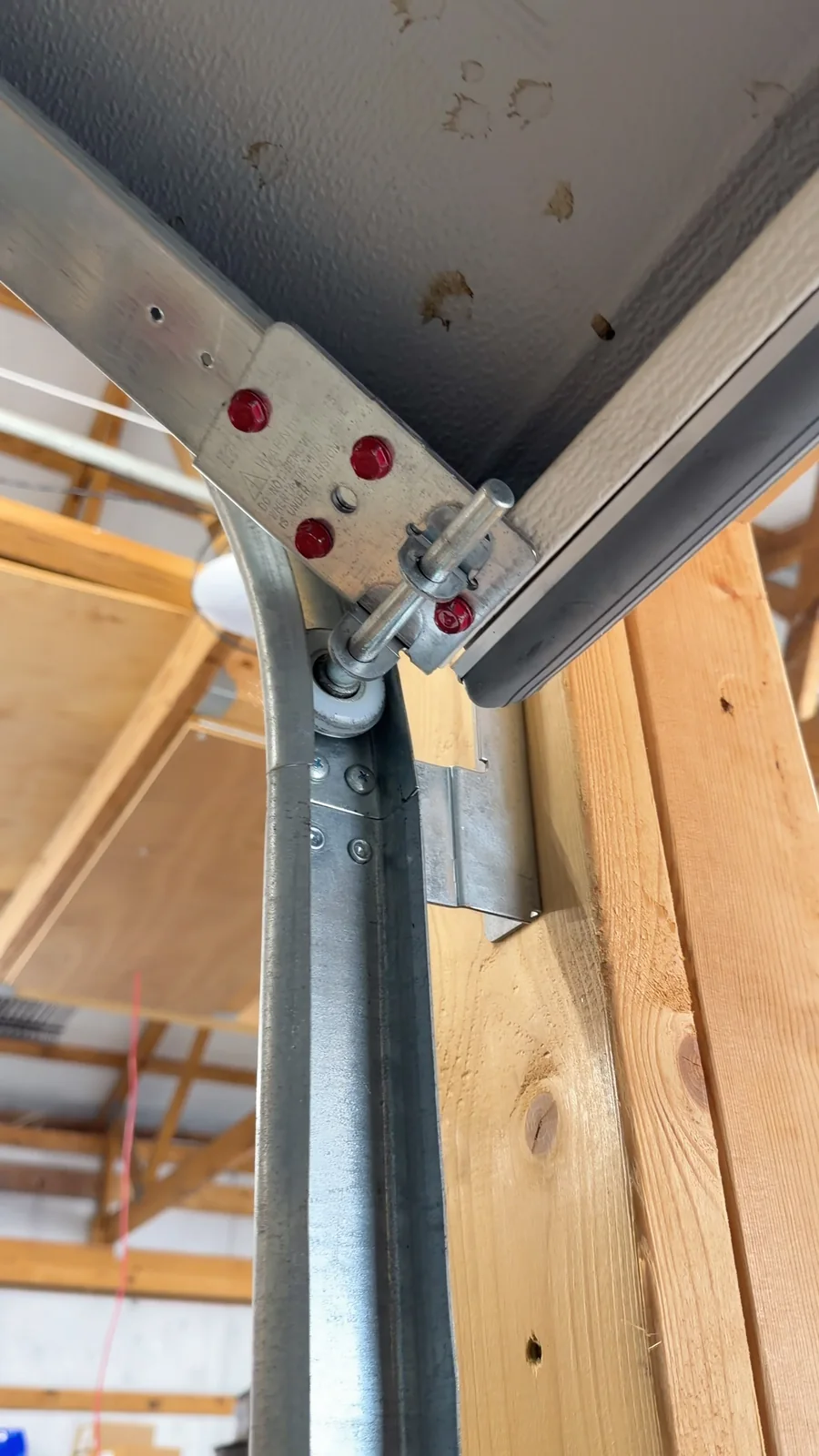
- Track Misalignment: If the vertical or horizontal tracks are bumped or bent, the rollers can bind or scrape, creating friction and loud noises.
- Counterbalance System Issues: Problems with the springs, cables, or drums that help lift the door's weight can cause popping, groaning, and banging sounds.
Safe Homeowner Checks for a Quieter Door
Before attempting any maintenance, it is critical to prioritize safety. If you hear a loud bang, see a broken spring or frayed cable, or if your door is stuck, crooked, or off its tracks, do not operate it. Keep people, pets, and vehicles away from the door and call a qualified technician.
For general noise, a few safe maintenance tasks may help. First, perform a visual inspection. Look for obviously loose nuts or bolts on the door panels and track brackets (but do not touch any hardware connected to the bottom brackets, cables, or spring system). You can also clean the tracks by wiping them down with a cloth to remove dirt and debris. Do not use grease on the tracks, as this will attract more dirt.
Proper lubrication can also make a big difference. Consult your owner's manual for recommended lubricants and application points. Typically, this involves applying a garage-door-specific spray lubricant to hinges, roller stems, and springs. Do not use heavy grease or general-purpose penetrating oils, which can attract gunk and cause further issues. Be careful not to spray lubricant on nylon rollers if your manual advises against it.
When Parts Need Professional Attention or Upgrades
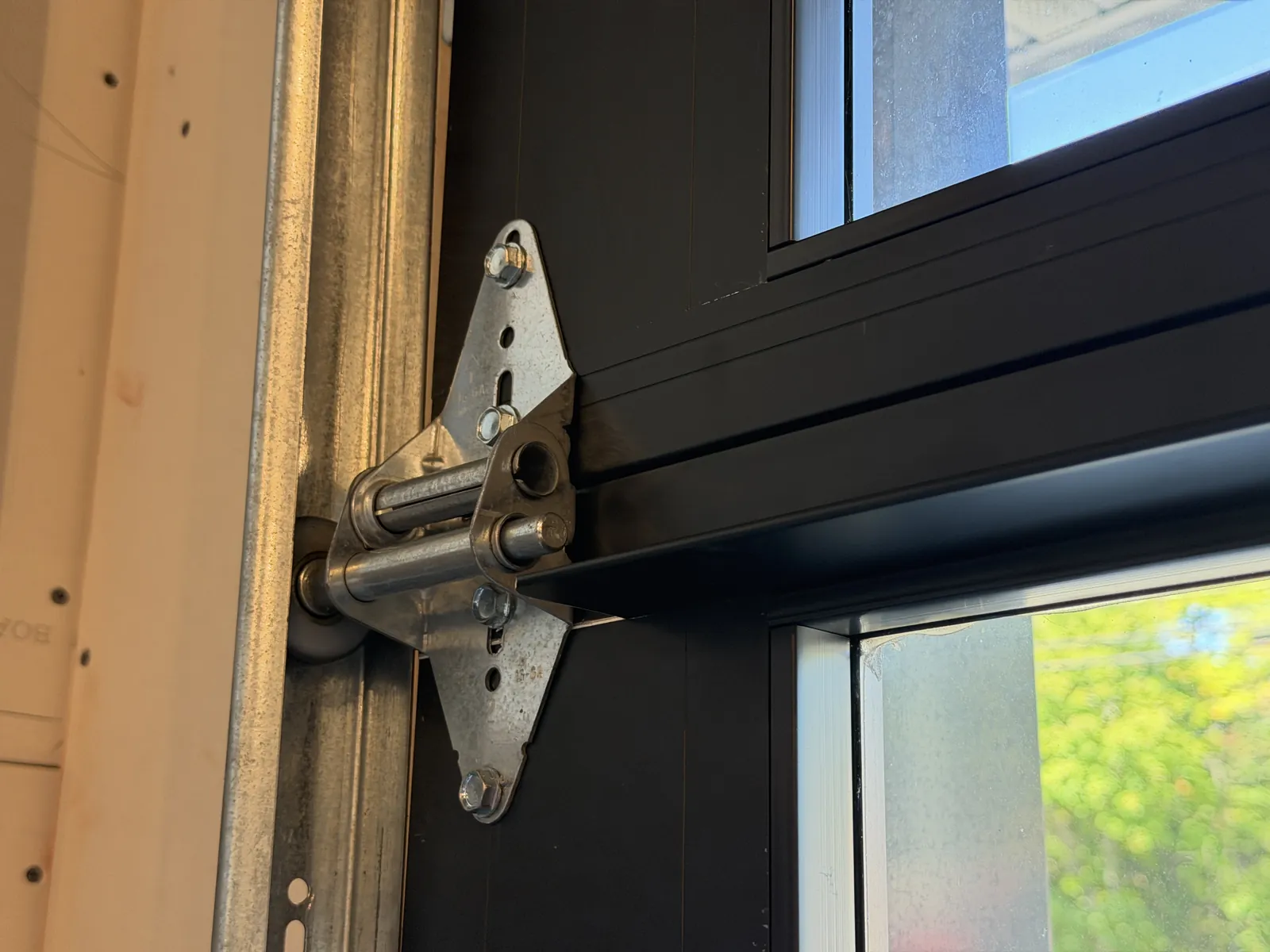
If basic cleaning and lubrication don't solve the noise problem, the issue likely lies with worn or outdated components that require professional service. For example, old, worn-out metal rollers are a significant source of noise. A technician can replace them with modern nylon rollers, which are significantly quieter and often provide smoother operation.
The garage door opener itself is another major factor. Chain-drive openers are known for being loud, and the noise can worsen with age. If quiet operation is a priority, upgrading to a belt-drive opener can make a dramatic difference. These models use a steel-reinforced rubber belt instead of a chain, resulting in whisper-quiet performance. A professional can assess your current system and recommend an appropriate opener model for your door and usage needs.
Check Weather Seals for Another Source of Vibration
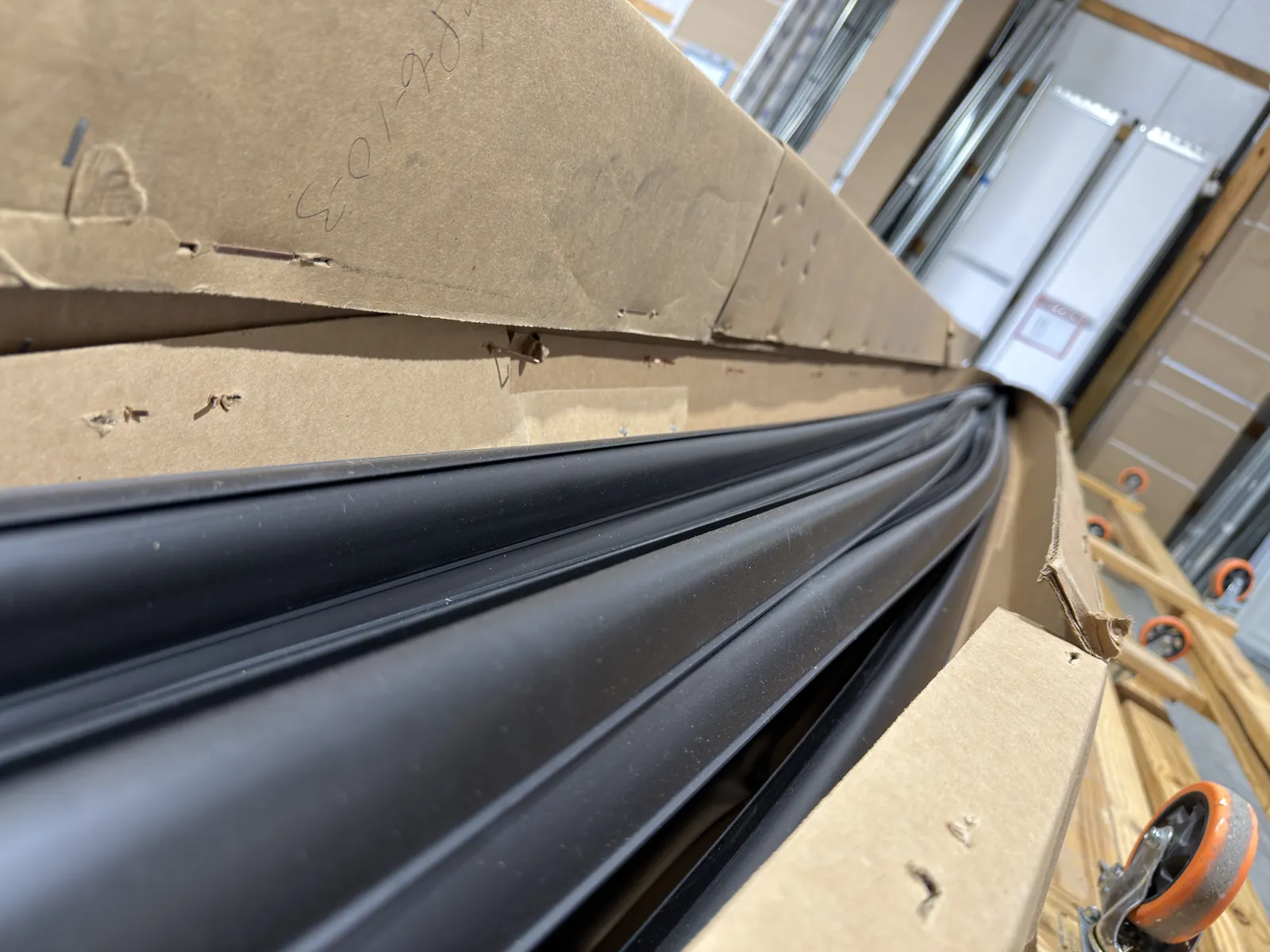
Worn weatherstripping can contribute to vibration and noise. With the door closed, visually check the seals along its edges for tears, gaps, flattened areas, or sections that have pulled away. If you notice damage, ask a technician whether seal replacement could help; do not loosen bottom brackets or cable attachments to reach the seal.