The Purpose of Garage Door Weather Seals
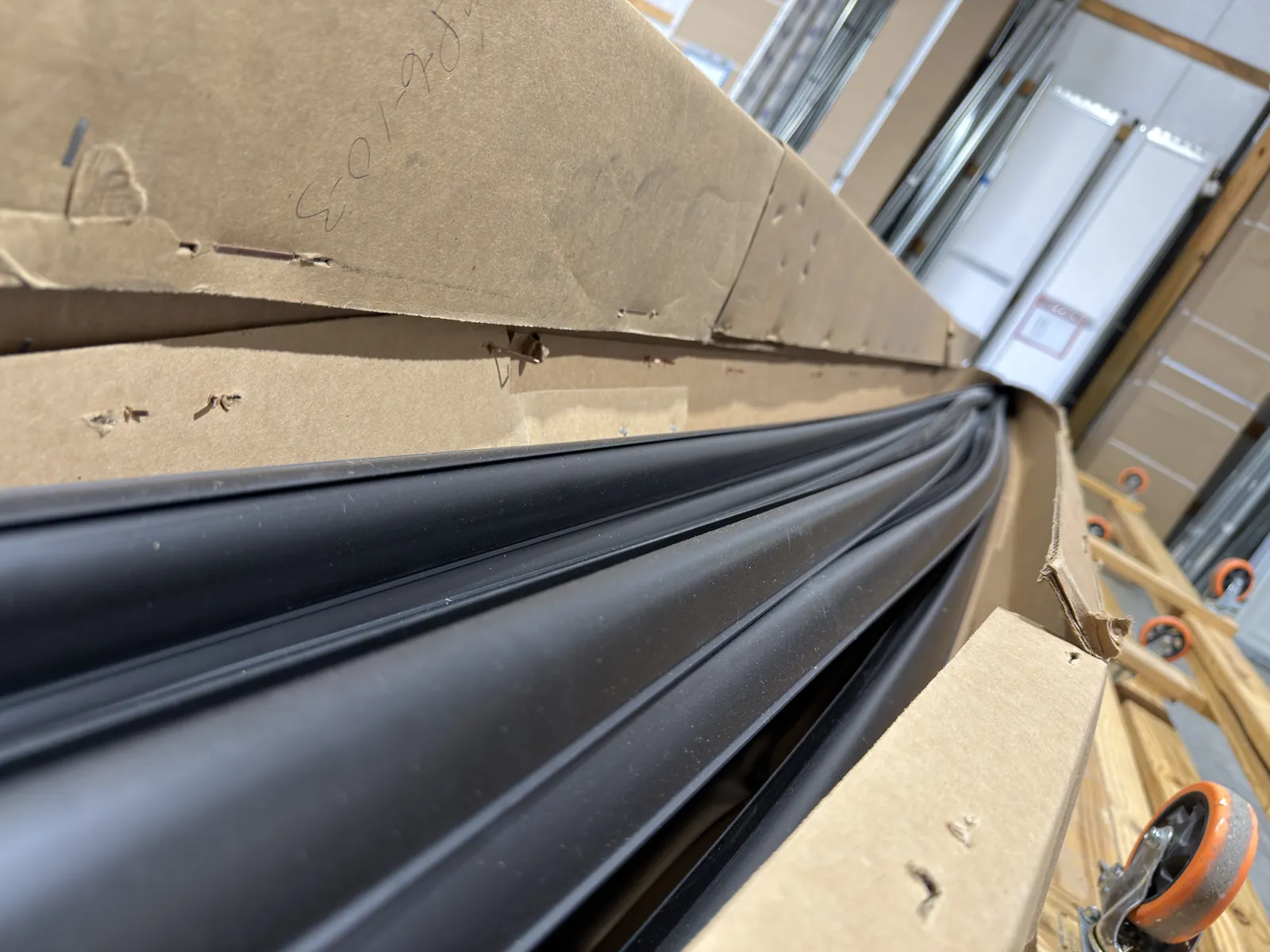
Often called weatherstripping, garage door seals are strips of durable, flexible material like vinyl or rubber fitted to the edges of your garage door. Their main job is to create a tight closure between the door panel and the frame, as well as the door and the garage floor. This barrier is essential for preventing common intrusions. Without effective seals, wind can blow leaves and debris inside, rain can seep under the door and damage stored items, and insects or small animals can find an easy entry point. A garage with intact weatherstripping is a cleaner, more secure environment.
Key Benefits of Healthy Weatherstripping
Well-maintained weather seals offer several advantages that go beyond just keeping your garage floor dry. They play a significant role in the overall comfort and condition of your home, especially if the garage is attached.
- Improved Energy Efficiency: By sealing gaps, weatherstripping reduces drafts and air leaks. This helps keep your garage cooler in the summer and warmer in the winter, which can lessen the temperature transfer to the rest of your home.
- Protection for Stored Belongings: A functional seal prevents water from seeping in and damaging tools, storage boxes, or the garage foundation. It also minimizes the dust and pollen that can coat your vehicles and equipment.
- Pest and Debris Barrier: Worn-out seals create an open invitation for insects, mice, and other pests. A solid seal is one of the most effective ways to keep unwanted critters out of your garage.
- Quieter Operation: Seals can help dampen vibrations and reduce noise from the outdoors, contributing to a quieter garage and smoother door movement.
Common Types of Garage Door Seals
Weather protection for a garage door involves several components working together. While the bottom seal is the most well-known, a complete system includes seals on all four sides of the door opening.
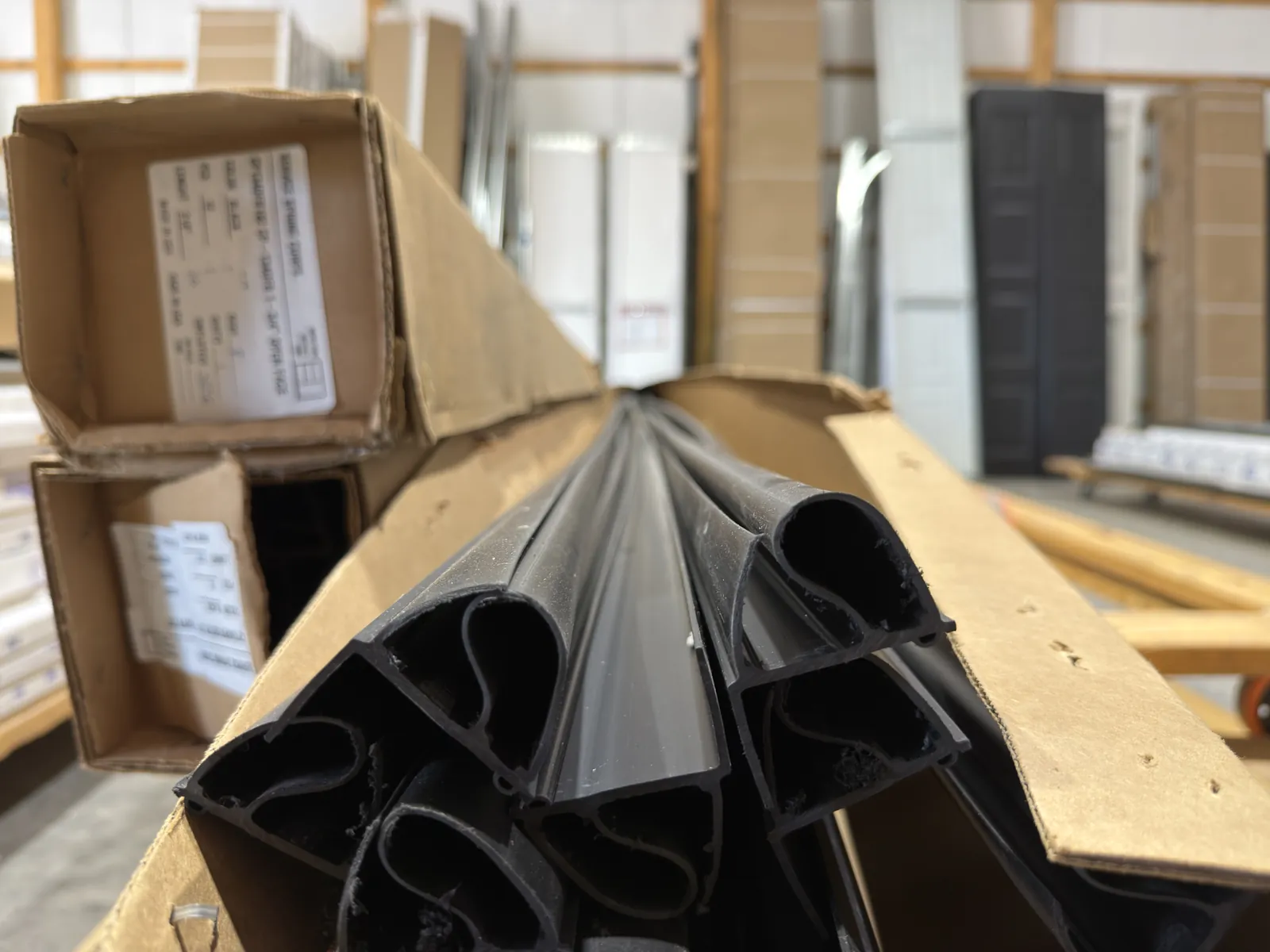
Bottom Seal: Also known as an astragal, this U-shaped piece of rubber or vinyl slides into a retainer on the bottom edge of the door. It compresses against the floor to block water, drafts, and pests.
Threshold Seal: This is a separate piece that adheres directly to the garage floor. The bottom of the garage door presses against it, creating an extra-sturdy barrier against driven rain, which is especially useful on sloped driveways.
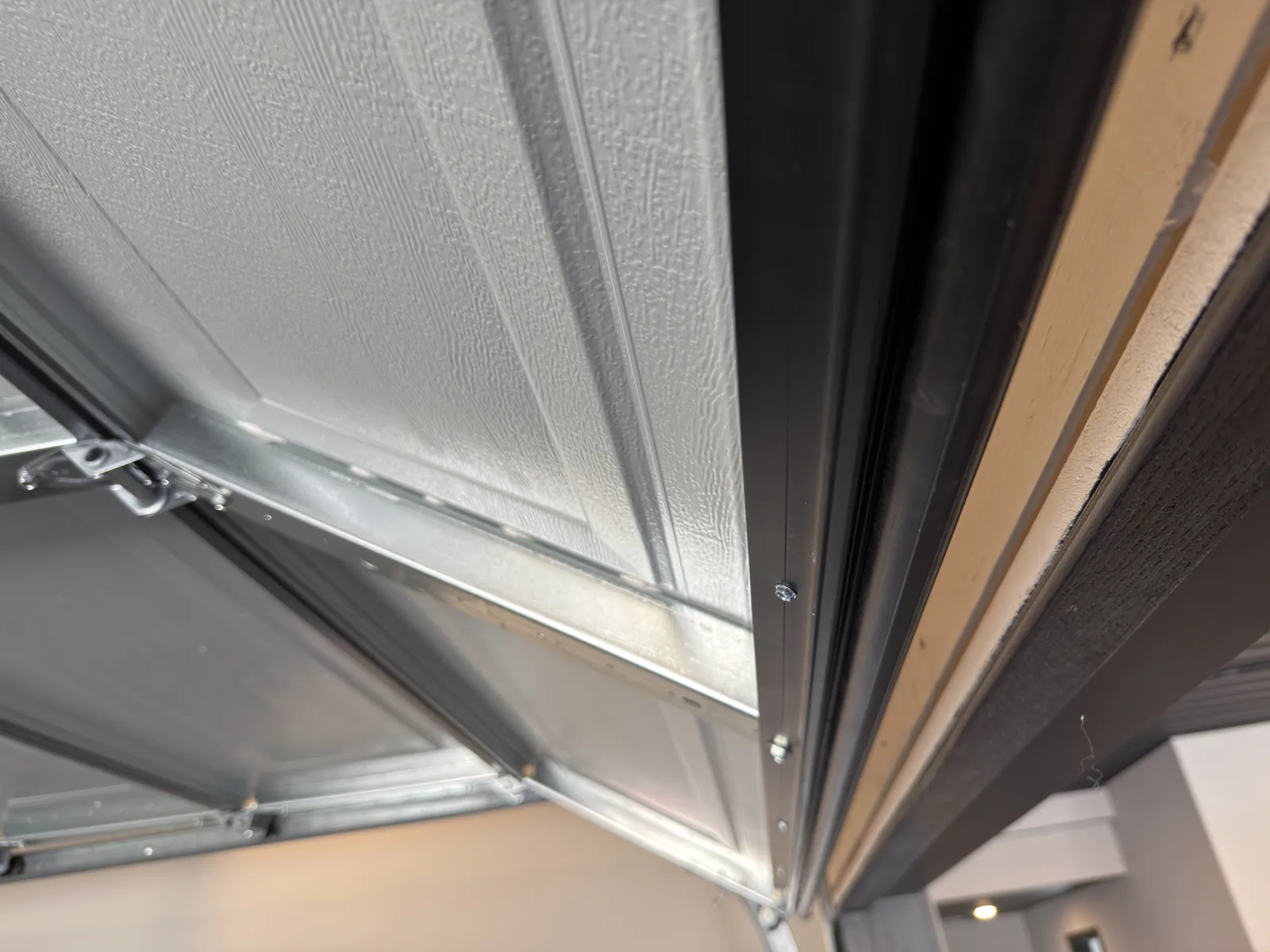
Perimeter Seals (Stop Molding): This is weatherstripping attached to the wood or vinyl door stop molding along the sides and top of the garage door opening. It seals the gap between the door's edges and the frame when closed.
How to Tell if Your Seals Need Replacing
You don't need to be an expert to spot a failing weather seal. A quick visual inspection can reveal most problems. Take a moment to look over your door and the surrounding frame for any of these tell-tale signs of wear and tear. Finding them early can help you prevent water damage or pest problems before they start.
Start by standing inside your garage with the door closed during the day. If you can see daylight around the edges or bottom of the door, your seals are no longer creating a tight barrier. Next, examine the seals themselves. Look for any areas that appear cracked, brittle, torn, or flattened. A healthy seal should be flexible and pliable. Finally, pay attention to what's inside your garage. If you frequently find puddles of water, piles of leaves, or signs of pests, it's a strong indication that your weatherstripping has failed.
Simple Maintenance for Your Weather Seals
While replacing weather seals is a job for a professional, you can help extend their life with some simple maintenance. Periodically, use a soft cloth and a mild household cleaner to wipe down the vinyl or rubber seals on the bottom and sides of your door. This removes dirt and grime that can accelerate deterioration. Be sure to also sweep away any leaves, dirt, or debris from the area on the floor where the bottom seal makes contact. Keeping this path clear prevents the seal from being crushed or damaged and ensures it can form a proper closure every time.