Common Sizes for Single and Double Garage Doors
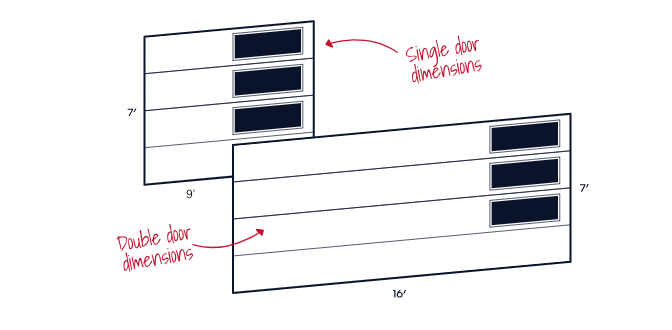
In the residential garage door industry, certain dimensions are considered "standard" because they fit the majority of recently built homes. For a single-car garage, the most common sizes are 8 or 9 feet wide and 7 feet high. This accommodates most passenger cars, crossovers, and small SUVs. For a two-car garage, a single double-wide door is typically 16 feet wide and 7 feet high. Some homeowners opt for two separate single doors instead of one large one.
However, it's also common to see doors that are 8 feet high to provide clearance for larger vehicles like trucks or vans. If your garage opening's measurements don't match these common dimensions, don't worry. Doors are available in a wide variety of sizes to fit older homes, custom-built garages, and unique architectural designs. The key is to measure the finished opening, not the old door itself.
How to Measure Your Garage Opening
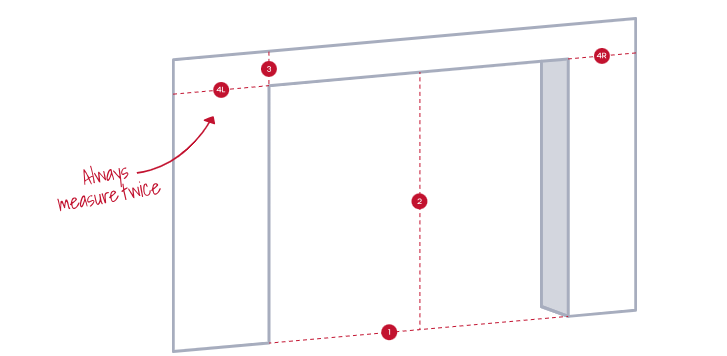
Before you start shopping for a new garage door, taking a few key measurements will help you understand your needs and allow a professional to provide a more accurate assessment. Having these numbers ready can streamline the consultation process. You'll need a tape measure and a place to write down your findings.
Provide these measurements to your garage door professional. They use these dimensions to determine the exact door size needed, which often includes a slight overlap on the sides and top to ensure a weathertight seal. A technician will perform a final, precise measurement on-site before ordering any new door.
- Width: Measure the width of the finished garage door opening from jamb to jamb.
- Height: Measure the height of the finished opening from the floor to the top of the opening.
- Headroom: Measure the distance from the top of the door opening to the ceiling or the lowest obstruction (like a beam or pipe). This is critical for track and opener installation.
- Sideroom: Measure the space from the side of the door opening to the nearest wall or obstruction on both the left and right sides.
Planning Door Size for a New Garage Build
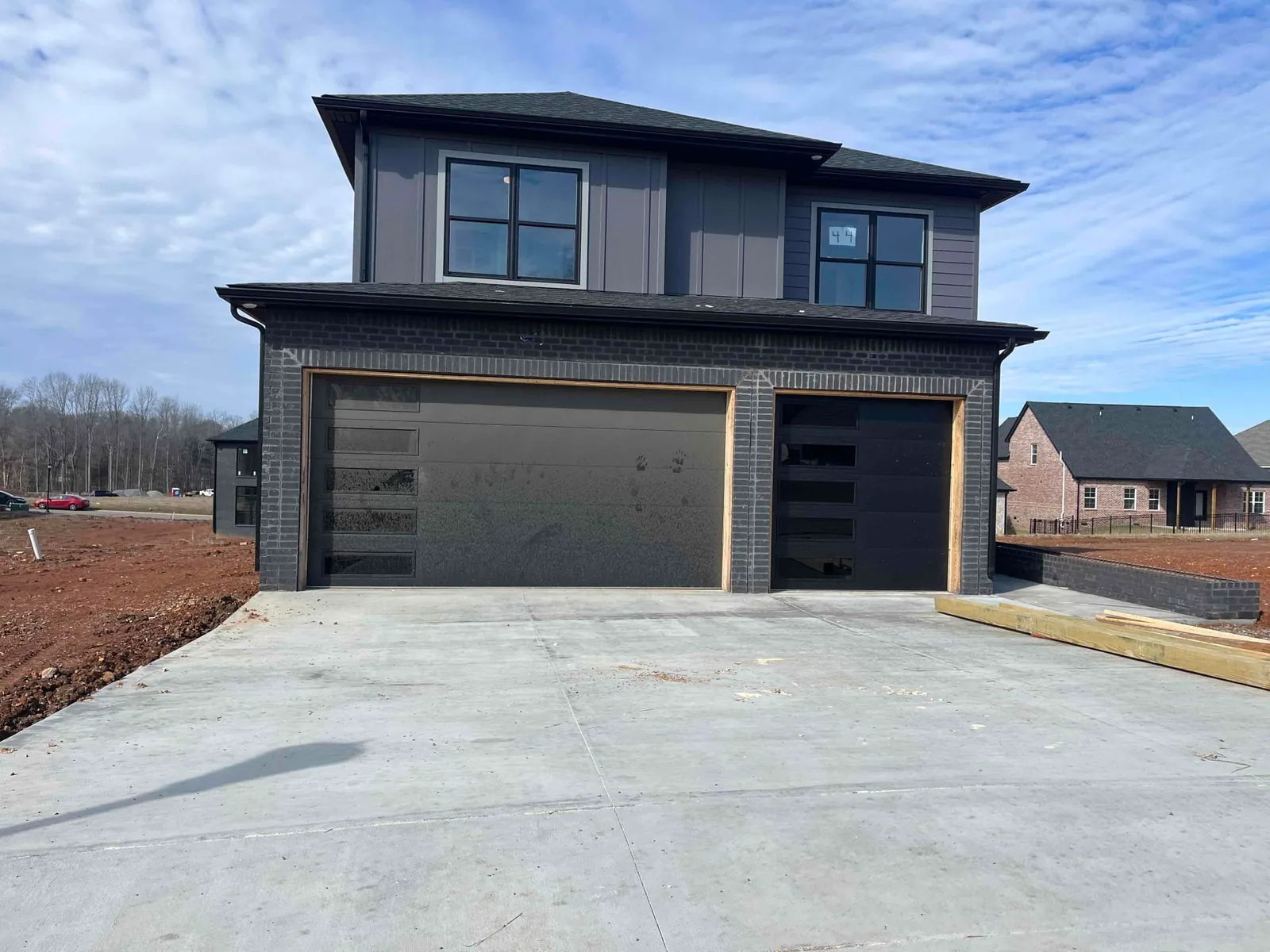
When you're building a new garage, you have the flexibility to choose the ideal door size rather than working with an existing opening. This is a great opportunity to plan for both your current and future needs. Consider the types of vehicles you own now and those you might own in the future. A little extra width or height can add significant convenience down the road.
- Vehicle Needs: Will you need to park a large truck, van, or SUV? Plan for an 8-foot-tall door if so.
- Number of Doors: For a multi-car garage, decide between one large double door or two smaller single doors. Two doors can be useful if one needs repair, as the other remains functional.
- Home Proportions: The garage door should be in scale with the rest of your home's facade to enhance curb appeal.
- Future Use: Think about how you might use the garage in the future. Will it be a workshop, a gym, or just for storage? This can influence your size and insulation choices.
Why an Accurate Fit Is So Important
A garage door that isn't sized correctly for its opening will lead to a host of problems. It's more than just an aesthetic issue; a poor fit compromises the door's performance, security, and longevity. The entire garage door system, from the springs and cables to the opener, is designed to work with a specific door weight and size. An incorrect door can throw the whole system out of balance.
Gaps around the perimeter of an ill-fitting door create an invitation for pests, rainwater, and drafts, driving up your energy bills. A door that is too tight in the opening may rub or bind, causing jerky operation and putting excessive strain on the motor. Ultimately, ensuring a perfect fit is a crucial step that protects your investment and ensures safe, reliable operation for years to come.
Door Size Affects Budget, Ordering and Air Exchange
Door size is also a budget consideration: a larger door generally costs more than a smaller comparable door. Common dimensions may be easier to source than unusual sizes, so ask about ordering requirements before settling on an opening size for a new garage.
Consider how much opening you actually need. A smaller opening limits air exchange while the door is raised, which can matter if you heat or cool the garage. Balance that consideration against adequate clearance for your vehicles and anything else you plan to move through the doorway.