
Core Materials: The Foundation of Your Door
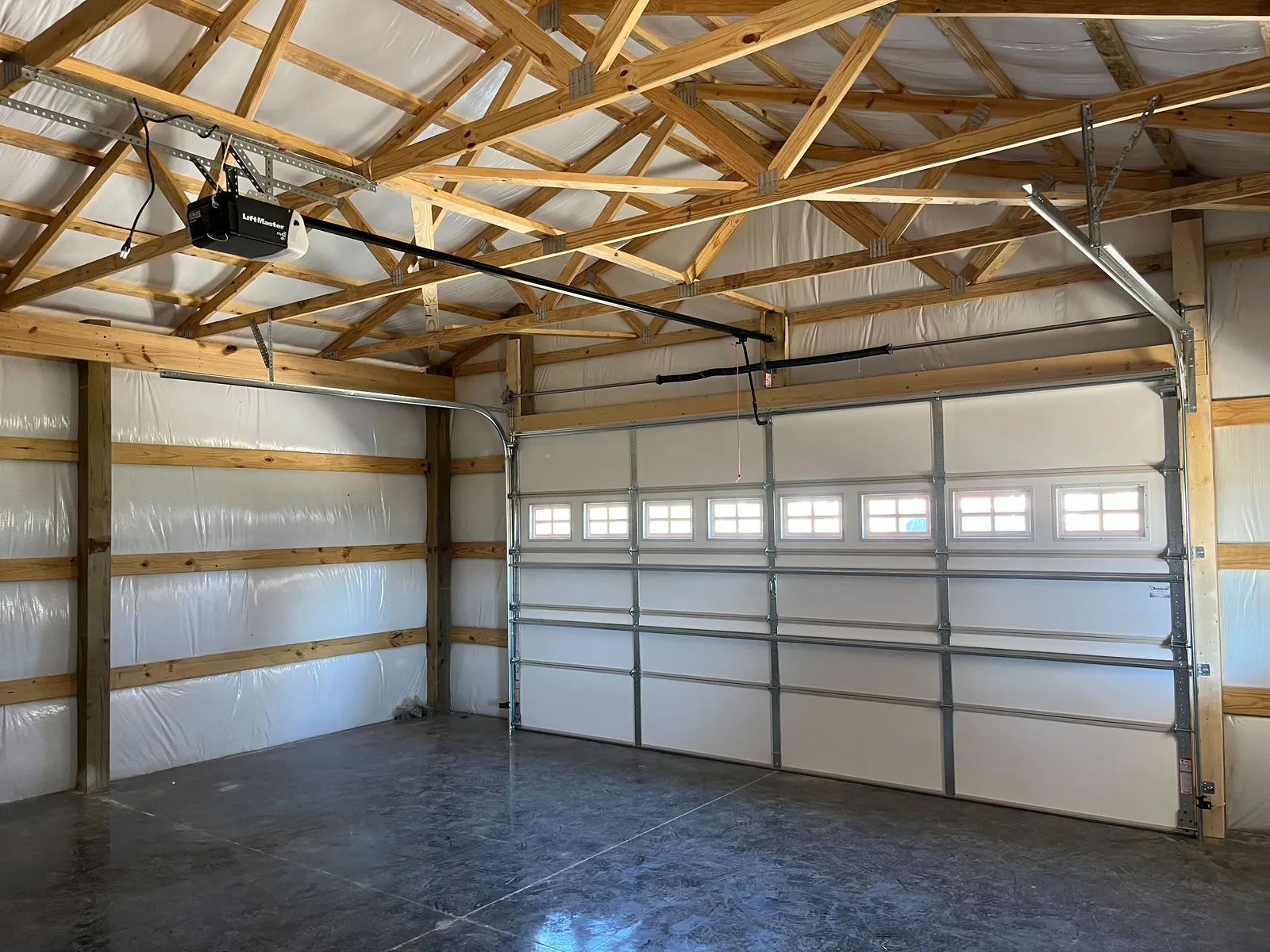
The material of your garage door is one of the biggest factors in its appearance, durability, and maintenance needs. Steel doors are a popular choice, offering excellent strength and value. They come in many styles and can include insulation to improve your garage's energy efficiency. For timeless, natural beauty, wood doors offer a classic look and can be painted or stained to match your home, though they require regular upkeep to protect them from the elements. Wood composite doors provide the look of real wood but are made from recycled wood fibers, making them resistant to moisture and rot with less required maintenance. For a modern aesthetic, aluminum and glass doors feature rust-resistant frames and large glass panels that flood the garage with natural light. Finally, vinyl doors are exceptionally durable, resisting dents and damage in busy households.
The Anatomy of a Garage Door Panel
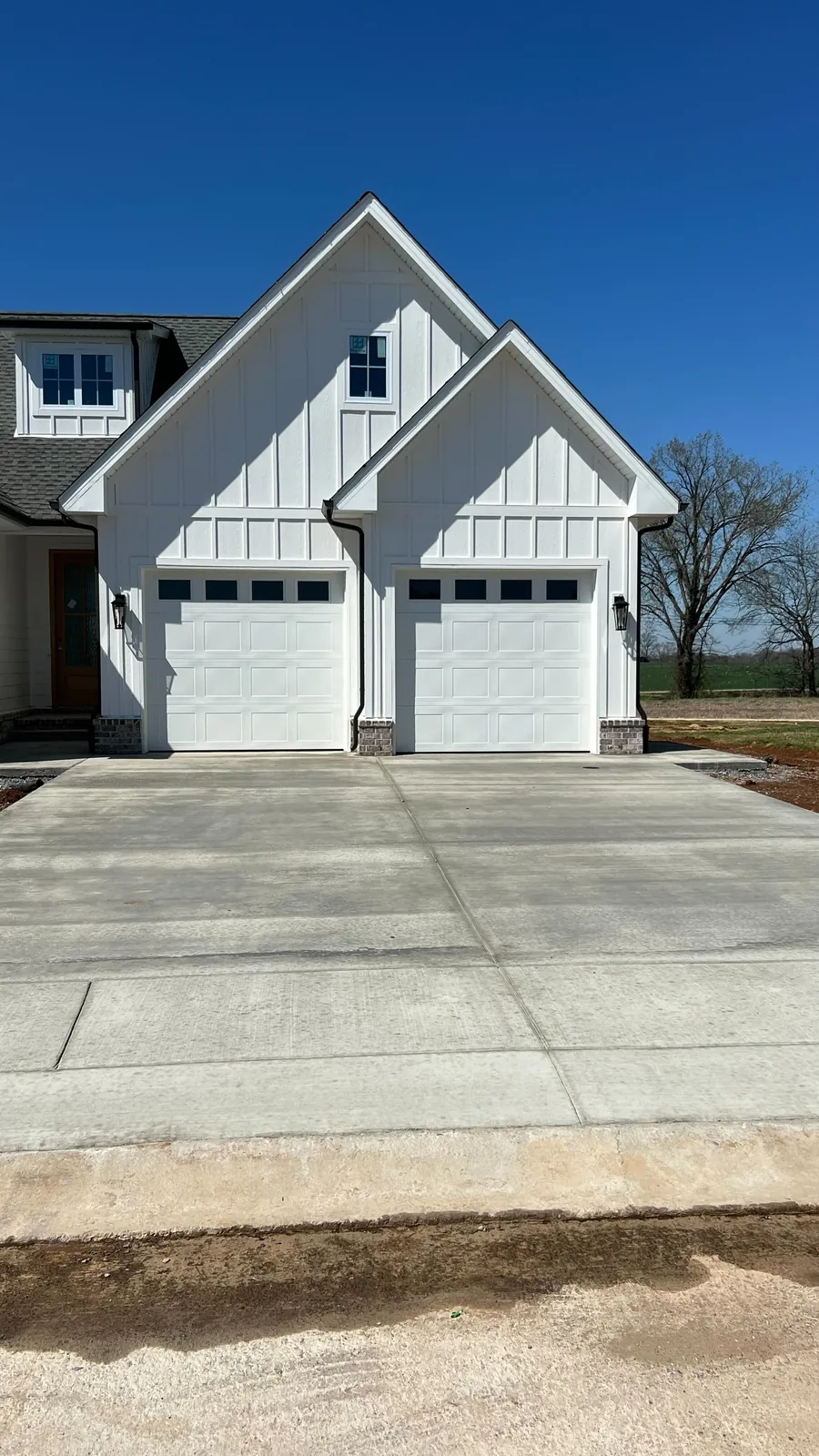
The 'face' of your garage door is its entire front surface, which is typically constructed from several horizontal 'sections' or 'panels.' These panels are hinged together, allowing the door to bend and roll up into the overhead position. The design of these panels largely defines the door's style, whether it's a simple flat panel, a classic raised panel, or a grooved design that mimics vintage wood planks. To create a popular carriage house look, decorative 'trim boards' can be added as an overlay on top of the base panels. These can form designs like a cross-buck (X) or V-buck, adding depth and character. The final look is achieved with your choice of finish, which can be a solid paint color, a rich stain for wood doors, or a faux stain finish that gives a composite or steel door the convincing appearance of wood.
The Structure Around Your Door Opening
The garage door itself is only part of the complete system; it fits into a finished frame that seals the opening. On either side of the door are the 'jambs,' which are the vertical posts that the door tracks are typically mounted to. Covering the exterior frame is the 'casing,' a decorative molding that creates a clean, finished look and covers the transition between the wall and the door jamb. At the very bottom is the 'sill' or threshold, which the door closes against. Along the inside edge of the jambs and across the top is 'stop molding,' which the door presses against when closed to create a tight seal against wind and rain.
Hardware: From Functional to Decorative
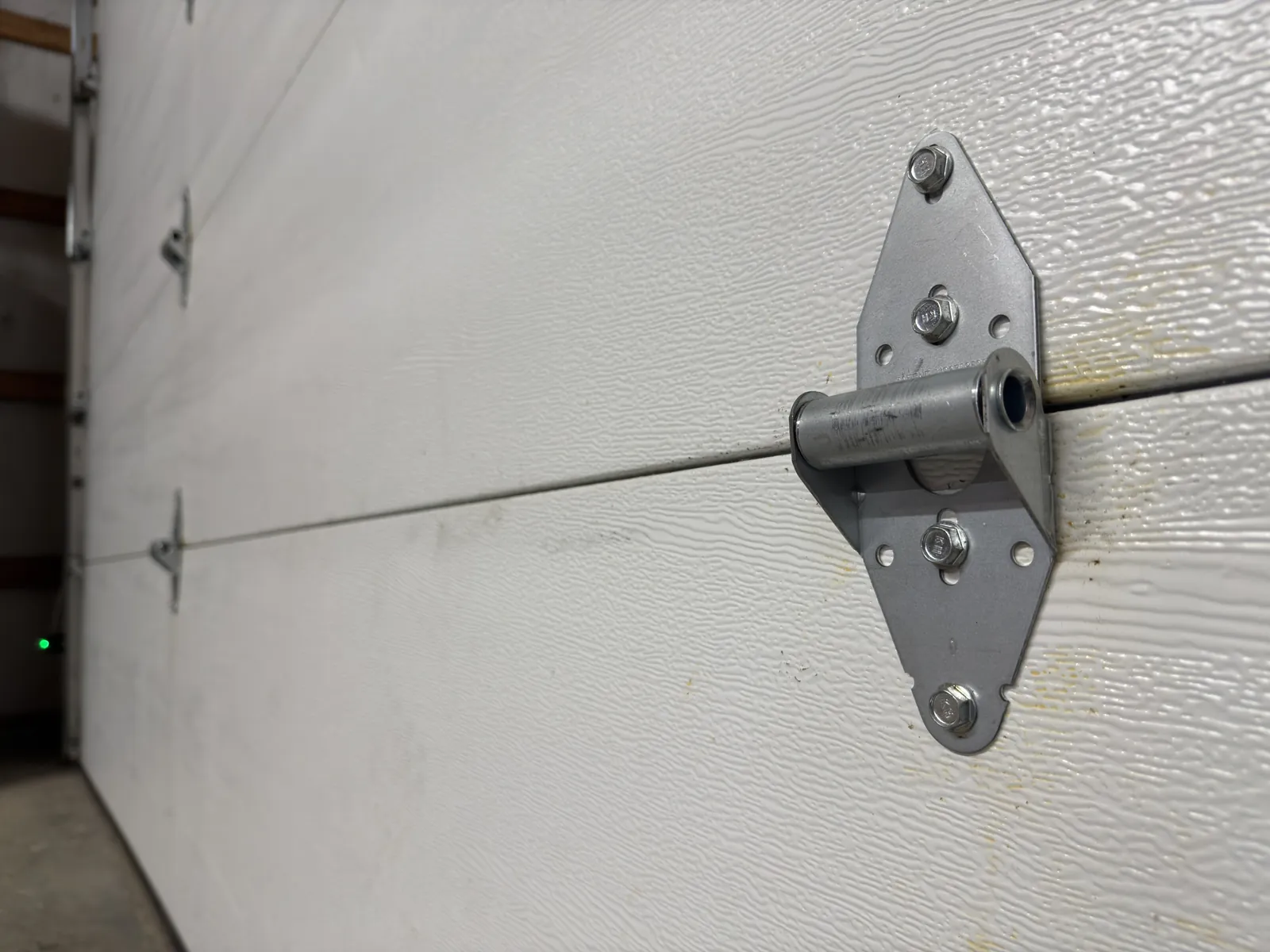
Garage door hardware falls into two categories: the functional parts that make the door work, and the decorative elements that give it style. Decorative hardware is used to give a modern overhead door the charming look of a historic carriage house door that swings outward. These pieces are purely for aesthetics and include 'strap hinges,' long, elegant hinges placed where real ones would be, and 'clavos,' which are decorative nail heads that add a rustic, hand-forged look. 'Pull handles' and 'ring pulls' are also added to complete the illusion of a swing-out door. For the most authentic appearance, this hardware should be placed where it would be functionally necessary on a real carriage door.
Window and Top Section Designs
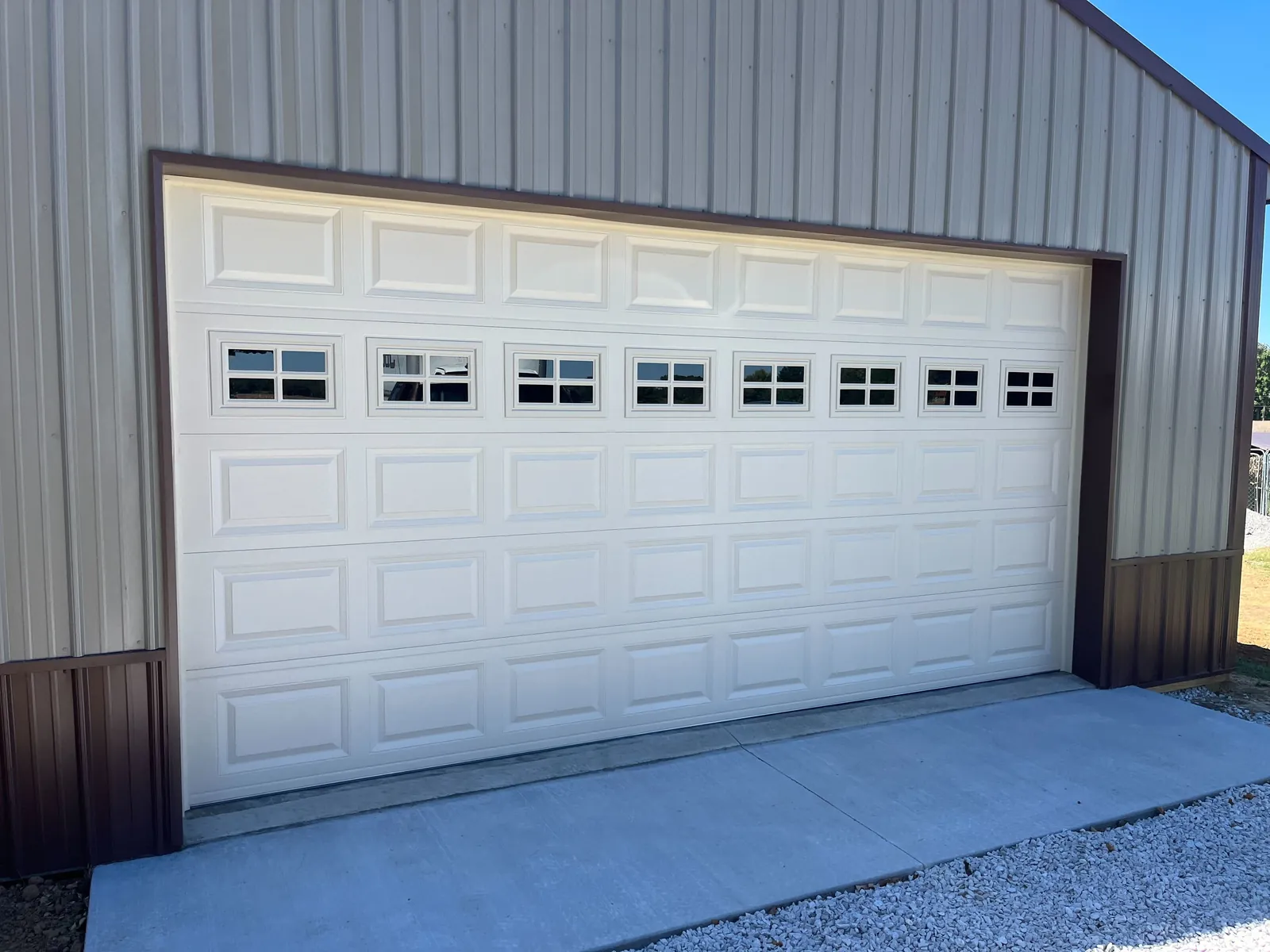
Adding windows, also known as 'lites,' is an excellent way to bring natural light into your garage and enhance your home's curb appeal. You can choose from standard clear glass or 'specialty glass' options like frosted, seeded, or obscure glass, which allow light in while maintaining your privacy. The shape of the top section of your door also has a major impact on its style. While a 'square' top is the standard, you can opt for an 'arched' top for a softer look or a 'clipped' corner design for a subtle architectural detail. Many homes have a rectangular door opening, but a 'simulated arch' can be achieved by using a window insert with an arched design in the top square panel, giving you the best of both worlds.
The Counterbalance and Track System
A garage door is incredibly heavy, and the 'counterbalance system' is what does the real work of lifting it. This system uses powerful 'springs' (either torsion or extension) that are wound under extreme tension to offset the door's weight. Because of this high tension, the springs are the most dangerous component of your garage door. Never attempt to adjust, repair, or remove a garage door spring yourself; a sudden release of energy can cause severe injury. Always call a qualified professional for any spring-related work. The door moves on 'rollers,' which are small wheels that travel within the metal 'tracks' on each side of the door. Connecting the spring system to the bottom of the door are 'lift cables,' which are also under tension. If you ever see a broken spring or a frayed cable, stop using the door immediately and keep the area clear until it can be professionally repaired.
Weather Seals: Your Garage's First Line of Defense
A complete weather sealing system is crucial for protecting your garage from drafts, rain, snow, and pests. This system is often referred to as 'weatherstripping.' The most critical piece is the 'bottom seal,' a flexible strip of rubber or vinyl attached to the bottom edge of the door. This seal compresses against the garage floor to block out the elements. Weatherstripping is also applied to the perimeter of the door, often on the wood stop molding, to seal the sides and top of the door when it is closed. A good seal not only protects the contents of your garage but also helps regulate the temperature inside and can prevent water damage.
True-Swing Door Terms: Leaf, Astragal, Stop, and Sweep
A true-swing door opens on side hinges rather than rolling overhead. Each moving door slab is called a leaf. When comparing designs, ask whether the door actually swings open or simply uses decorative hardware to create that appearance.
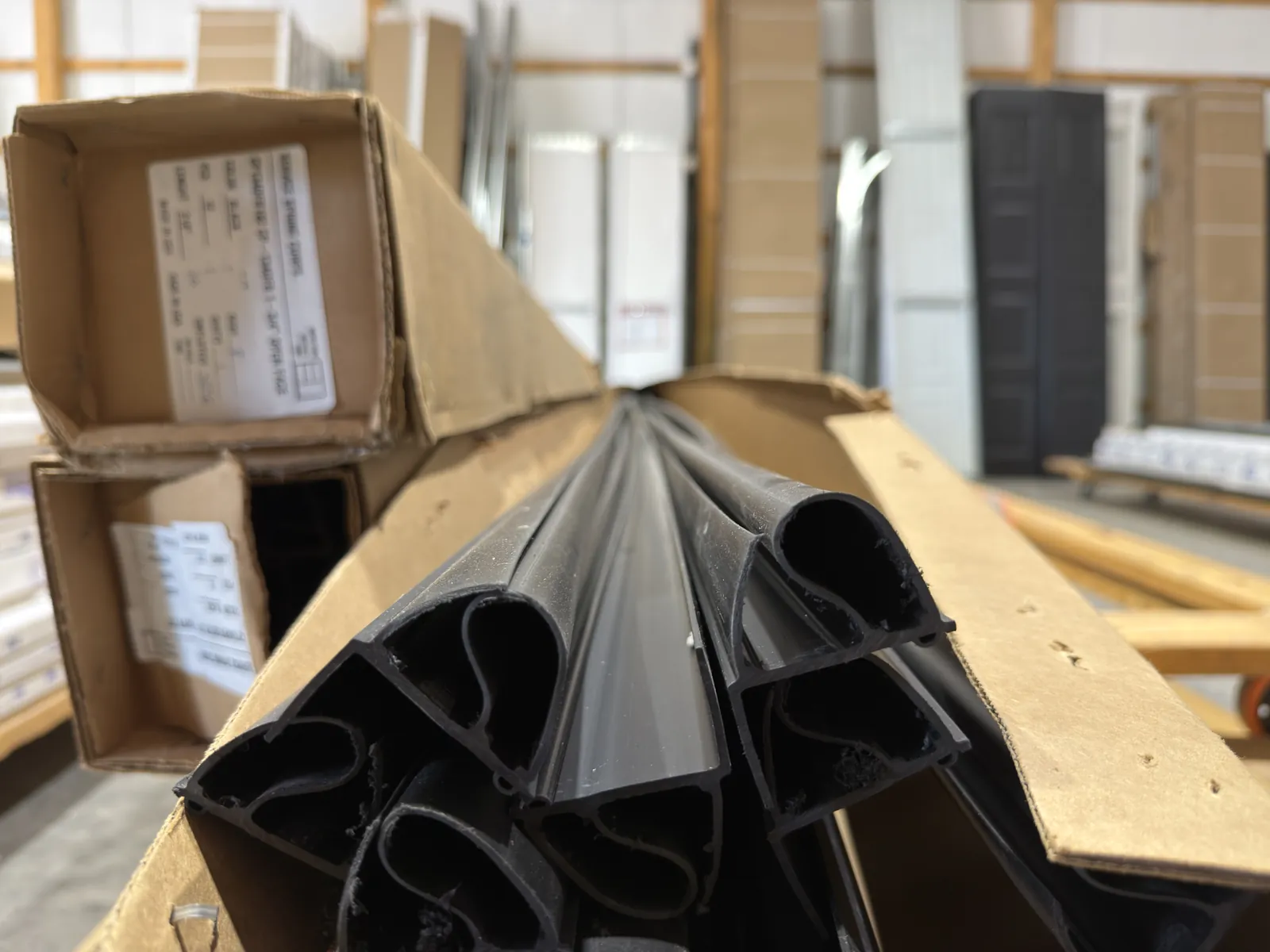
An astragal is a strip attached to the active, or first-opening, leaf that covers the meeting seam when the door is closed. A stop limits inward travel beyond the closed position. A sweep closes the gap between the bottom of the leaf and the sill to help limit air and water entry. These terms are especially useful when discussing how a true-swing door will close and seal.
Divided Lites: Window Patterns Versus Separate Panes
Window terminology describes more than glass texture. A lite is an individual pane or a visually defined area within a window design. True divided lites use separate panes, while simulated divided lites create the appearance of separate panes with decorative dividers. Grilles, inserts, and muntins are terms you may hear when discussing these patterns. Ask whether the design uses separate glass pieces or a pattern over a larger pane so you know exactly what you are choosing.