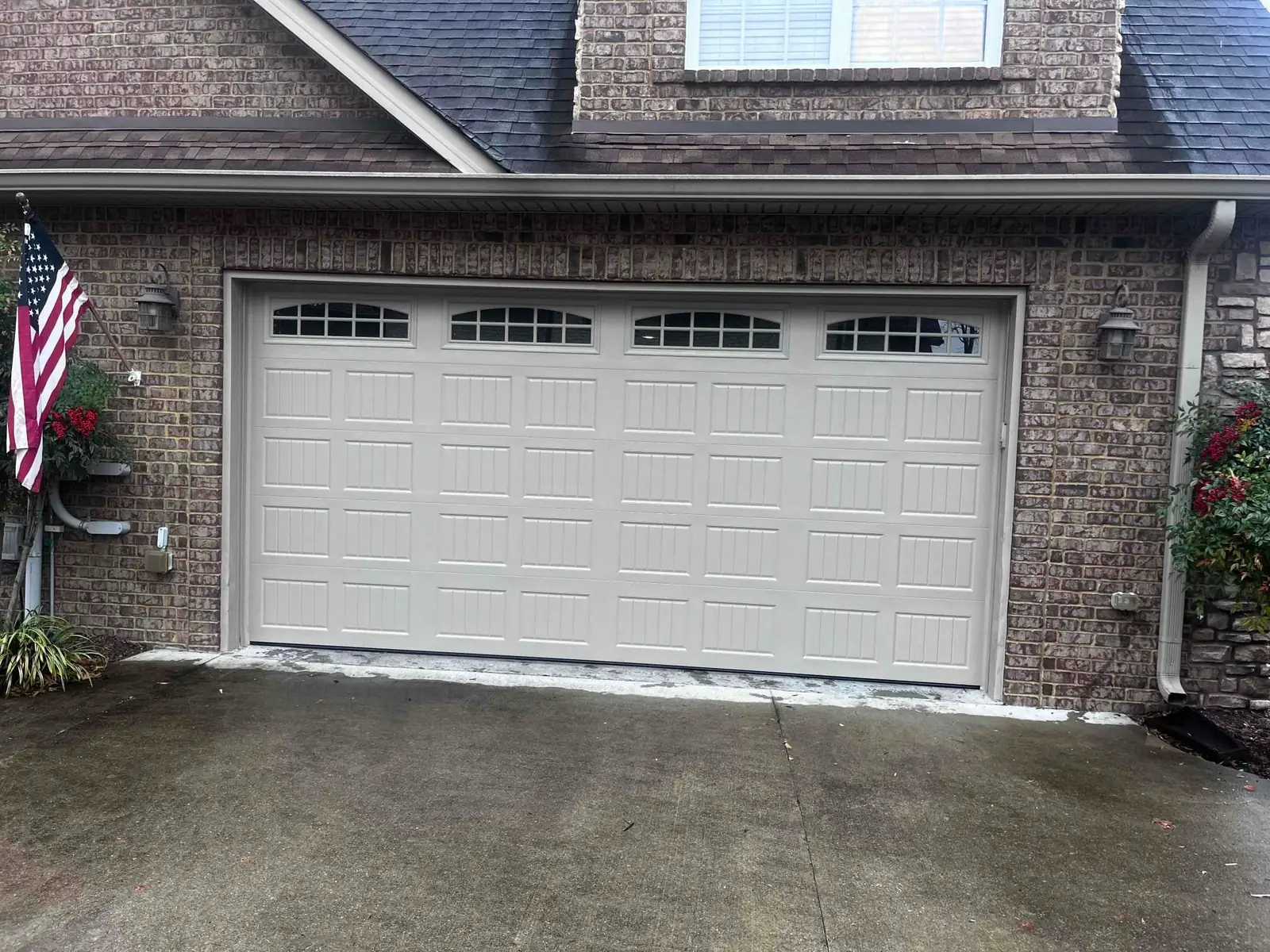
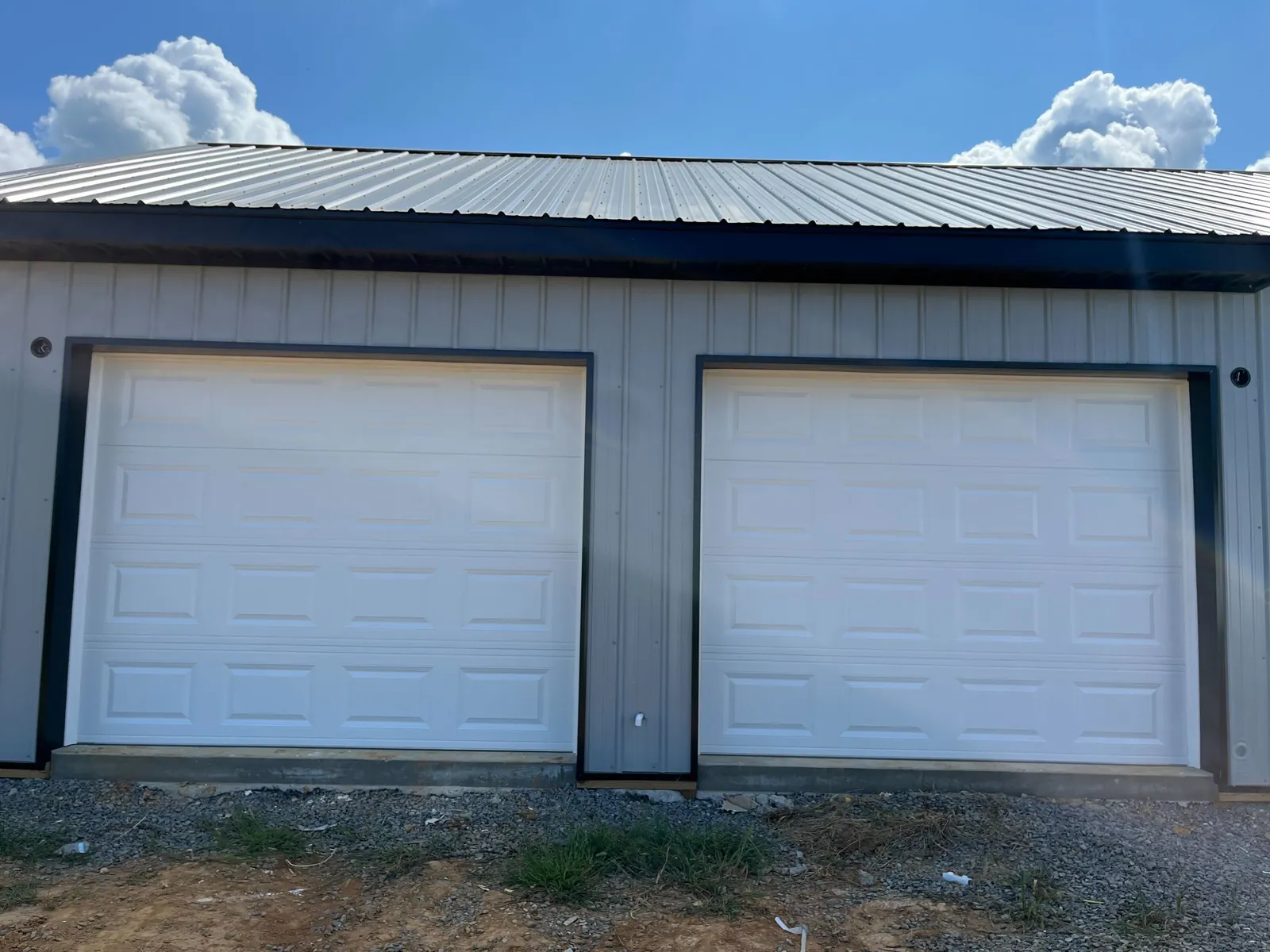
What Determines a Garage Door's Longevity?
The lifespan of a garage door system is a combination of many variables, starting with its initial quality and construction. Doors made from robust materials like multi-layer steel or solid wood are built for greater durability compared to simpler, single-layer options. The environment in Middle Tennessee & Southern Kentucky also plays a major role; high humidity, intense summer heat, and winter ice can accelerate wear on panels, paint, and moving parts. Finally, daily use adds up. A door that cycles multiple times a day will naturally experience more wear on its mechanical components than one used less frequently.
It's a System: Wear and Tear on Key Parts
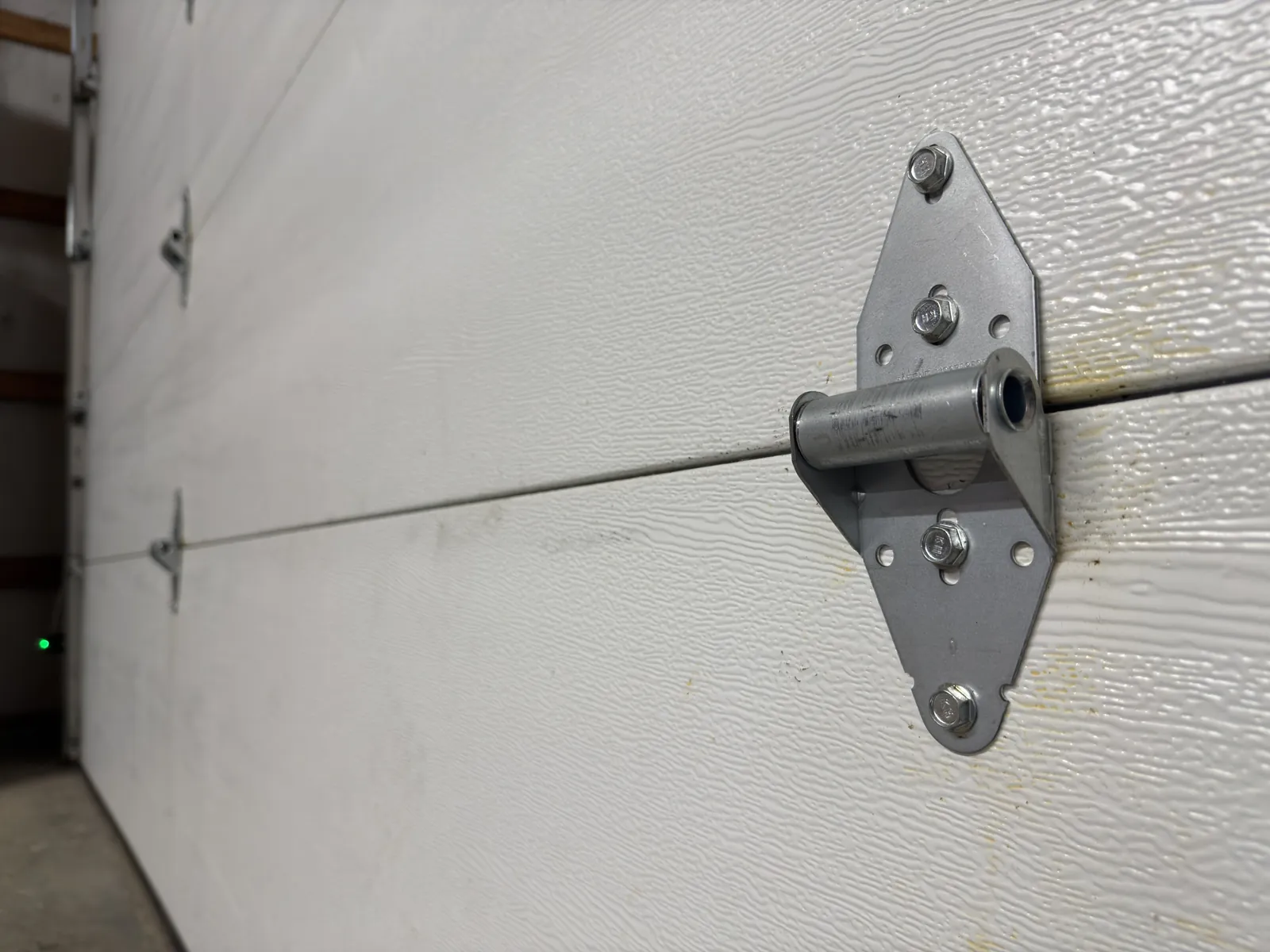
It's helpful to think of your garage door not as one object, but as a complex system of interconnected parts. The door panels themselves may last for decades if cared for, but the mechanical components that do the heavy lifting operate under immense stress and have a finite service life. The counterbalance system, which includes powerful torsion or extension springs, is responsible for lifting the door's full weight. These springs, along with the lift cables, are the hardest-working parts and typically the first to require professional replacement. Other components like rollers, hinges, and the garage door opener also wear down over time and will eventually need service or replacement to keep the entire system functioning smoothly and safely.
Crucially, the springs and cables are under extreme tension and can cause severe injury or property damage if they break or are handled improperly. Never attempt to adjust, repair, or remove these components yourself. This work should only be performed by a qualified garage door technician.
How You Can Help Your Garage Door Last Longer
While major repairs require a professional, consistent homeowner maintenance can significantly extend the life of your garage door and prevent minor issues from becoming major problems. The best habits involve regular observation and simple cleaning. Get into the routine of watching and listening to your door operate. Changes in sound, like new squeaking, grinding, or scraping, are often the first indicators that a part needs attention. Catching these signs early can lead to a simpler, less costly repair.
- Visually inspect rollers, cables, and springs for signs of wear or damage, but do not touch them. Look for fraying on cables or gaps in spring coils.
- Wipe down the inside of the door tracks with a cloth to clear out debris, but be careful not to bend or misalign the metal.
- Consult your owner's manual for guidance on lubricating metal hinges, stems of metal rollers, and bearings.
- Follow the safety-reversal test in your opener's manual, with the test object it specifies, only on a level, undamaged door that moves normally.
- Check the weatherstripping along the bottom and sides of the door for any cracks, brittleness, or gaps that could let in pests and weather.
Recognizing the Signs of Age and Damage
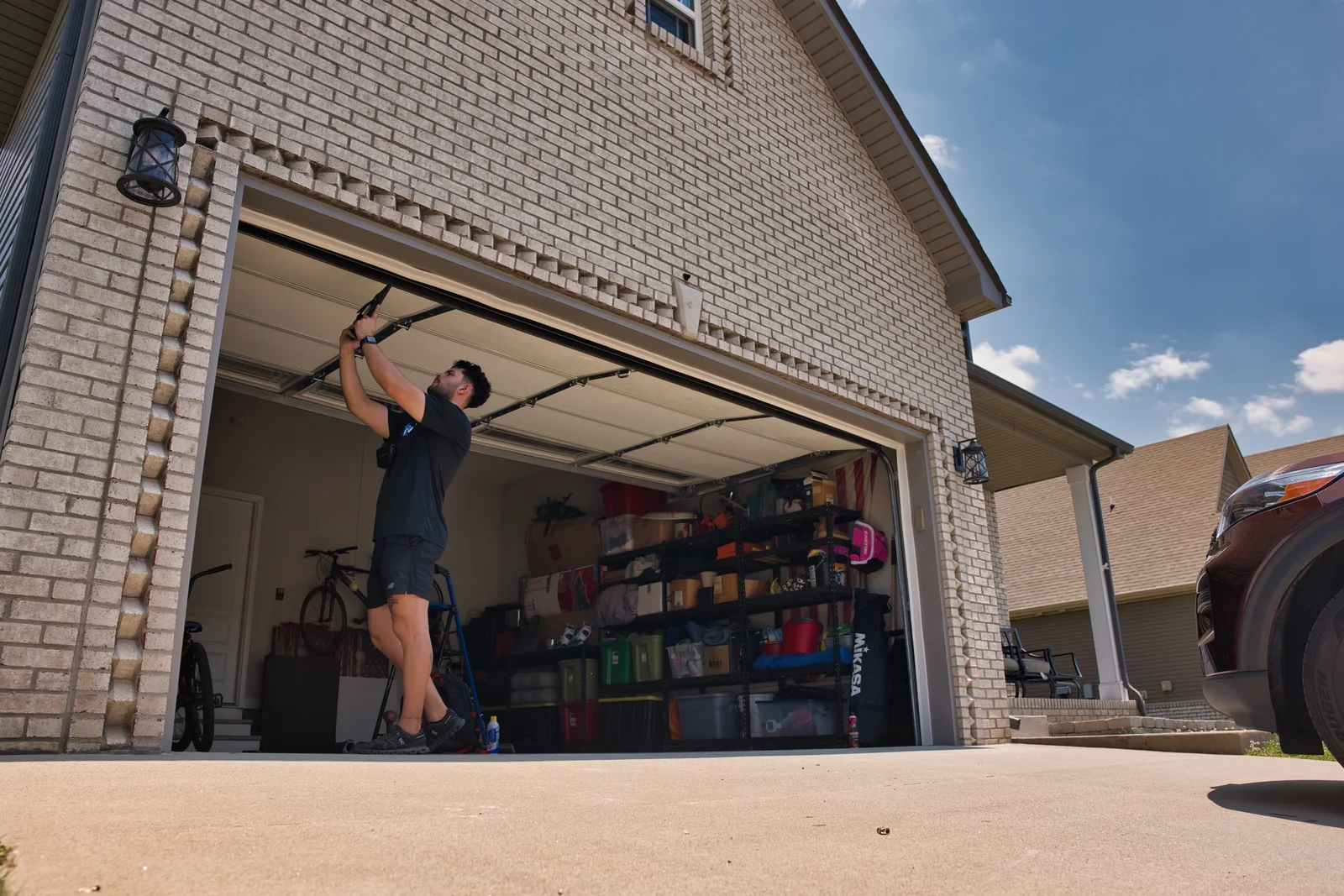
Sooner or later, every garage door will need more than just a minor tune-up. The key is knowing when a repair is sufficient versus when it's time to consider a full replacement. A single malfunctioning part on an otherwise healthy door—like a broken spring or a faulty opener—is usually a clear-cut case for repair. However, if your door is facing multiple issues simultaneously, showing widespread cosmetic or structural damage, or if repairs are becoming a frequent expense, a new door may be the more practical and cost-effective solution in the long run. An older, uninsulated door can also be a prime candidate for replacement if you're looking to improve your home's energy efficiency and comfort.
- Widespread rust, deep dents, or significant warping or cracking in the panels.
- The door shudders, shakes, or makes excessive noise during operation.
- A pattern of recurring breakdowns and the need for frequent service calls.
- The door feels dated and negatively impacts your home's curb appeal.
- Sections are damaged beyond simple panel replacement, or parts for the model are obsolete.
Upgrading Your Home with a New Garage Door
Investing in a new garage door offers benefits that extend far beyond simply fixing a broken system. A modern garage door can dramatically enhance your home’s curb appeal and potentially increase its market value. Today’s doors also offer significant improvements in energy efficiency, with multi-layer insulation that helps regulate the temperature in your garage, making the space more comfortable and reducing energy transfer to the rest of your home. You'll also benefit from quieter, smoother operation and updated safety features that provide peace of mind for you and your family. A new installation is an opportunity to choose a style, color, and feature set that perfectly matches your home's aesthetic and your lifestyle.