Why Consistent Service Is a Smart Investment
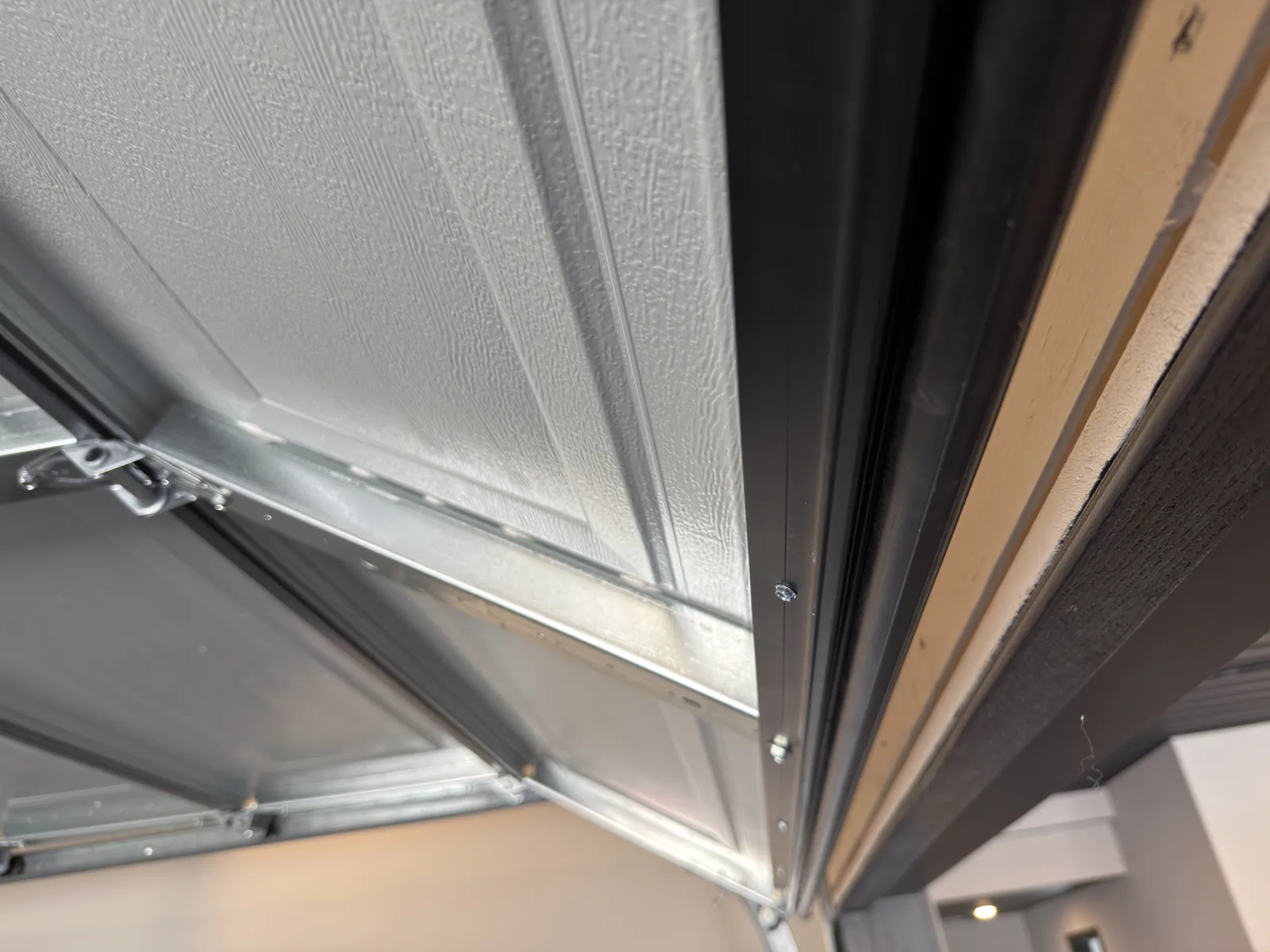
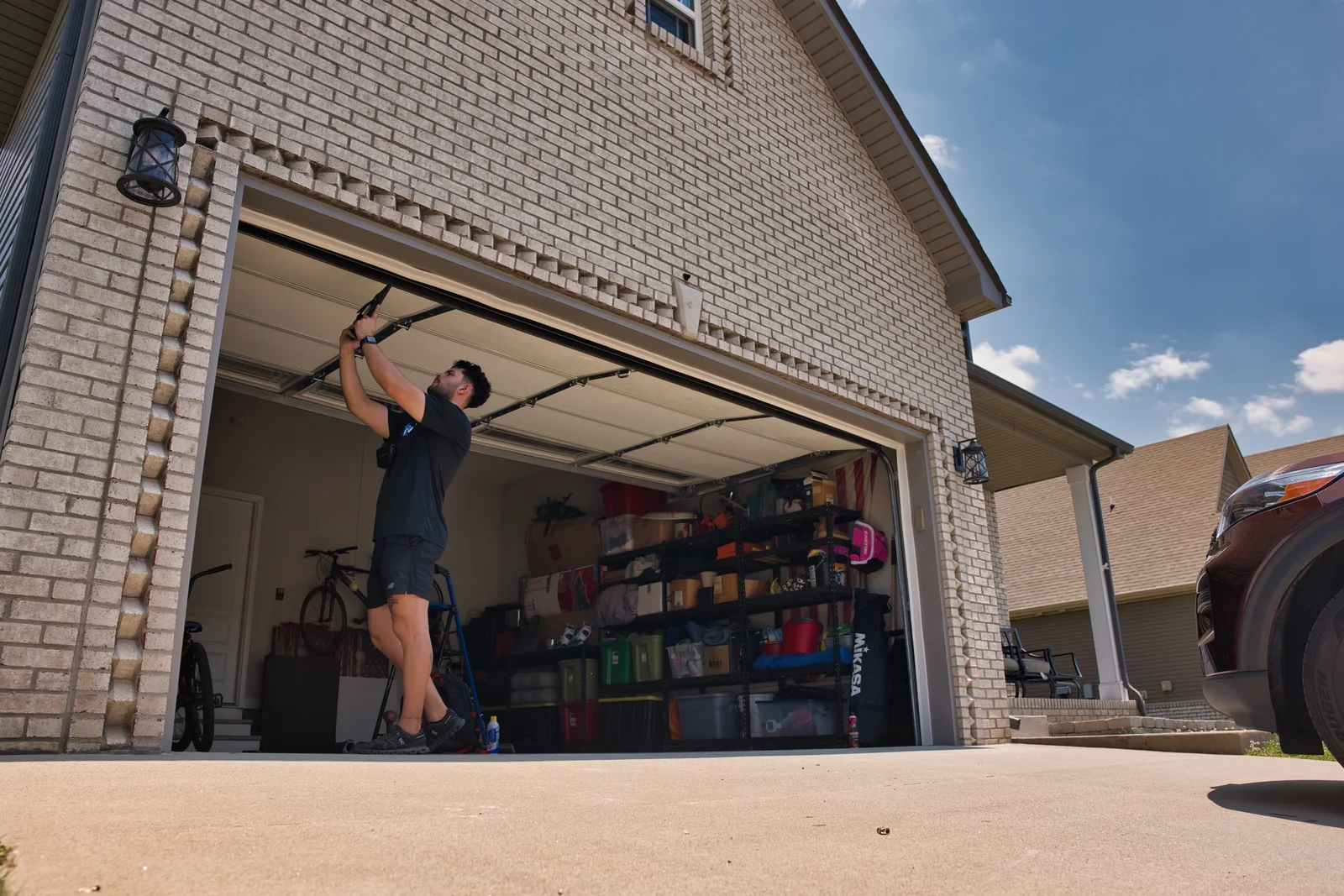
A garage door that works correctly provides security and convenience. Regular maintenance is the key to preserving that. Over time, parts can wear out, fasteners can loosen from vibration, and lubrication can dry up, causing friction and strain. Catching these small issues early during a tune-up prevents them from escalating into major failures, like a snapped cable or a worn-out opener motor. A well-maintained door is also a safer door. Professional checks ensure that critical safety features, such as the auto-reverse mechanism, are working as they should, protecting people and pets from harm.
The Anatomy of a Professional Garage Door Tune-Up
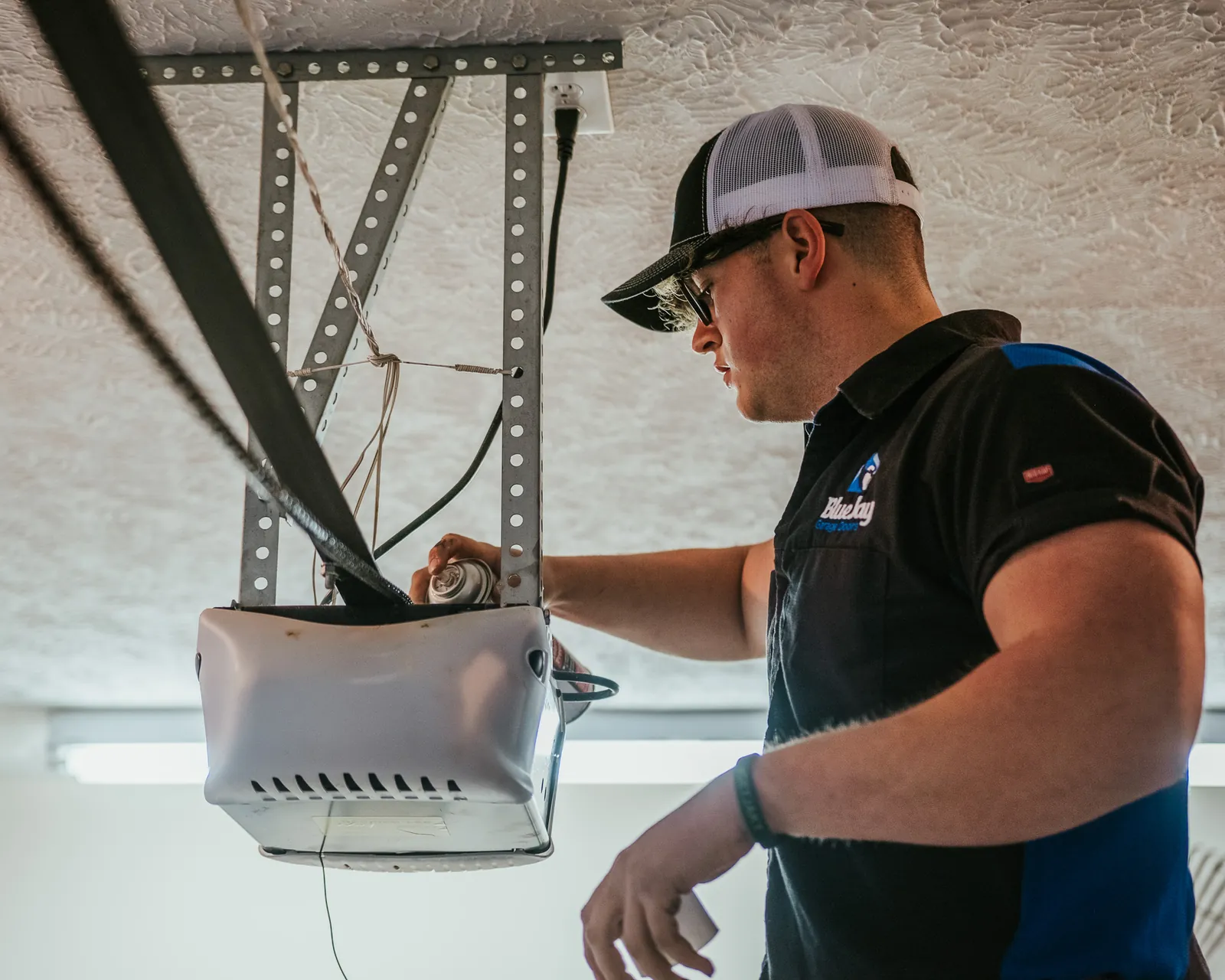
When a technician performs a comprehensive service, they conduct a detailed inspection and adjustment of the entire garage door system. This isn't just a quick look-over; it's a systematic process designed to restore function and identify potential points of failure before they cause a breakdown. The goal is to ensure every component works together harmoniously for safe, quiet, and efficient operation.
If you prefer a maintenance plan, compare the Blue Diamond Club with individual service visits.
- Thorough lubrication of all appropriate moving parts, including hinges, rollers, and bearings.
- Inspection of springs, cables, drums, and rollers for signs of wear, rust, or damage.
- Testing and confirming the door's balance to ensure the opener isn't being overworked.
- Verification of safety sensor alignment and a test of the auto-reverse safety feature.
- Tightening of all nuts, bolts, and other hardware that may have loosened with use.
- Checking the garage door opener's force settings, chain/belt tension, and limit settings.
Homeowner Checks to Perform Between Service Calls
While major adjustments and repairs are for professionals, you can perform a few simple tasks to keep your door in good shape. Regular visual and operational checks can help you spot developing issues. Before performing any task, consult your owner's manual for specific instructions related to your door and opener model. Remember, tasks involving high-tension springs, cables, and bottom brackets are for trained technicians only.
- Look and Listen: Operate the door and watch its movement. Does it move smoothly or does it jerk and stutter? Listen for any new scraping, grinding, or squeaking sounds.
- Check Photo-Eye Sensors: Wipe the lenses with a soft cloth. Check the indicator lights against your opener manual, since what they should show varies by model. Remove any items blocking their path.
- Test the Safety Reversal: Follow the safety-reversal test in your opener's manual, with the test object it specifies, only on a level, undamaged door that moves normally. When the door touches it, it should automatically reverse.
- Inspect Weatherstripping: Check the bottom seal and any vinyl trim around the door for cracks, brittleness, or gaps. Damaged seals can let in pests, water, and drafts.
- Clear the Tracks: Visually inspect the metal tracks for debris. If you see any, you can wipe them out with a cloth. Do not use lubricants on the tracks, as this can attract more dirt.
Warning Signs That Require Immediate Professional Help
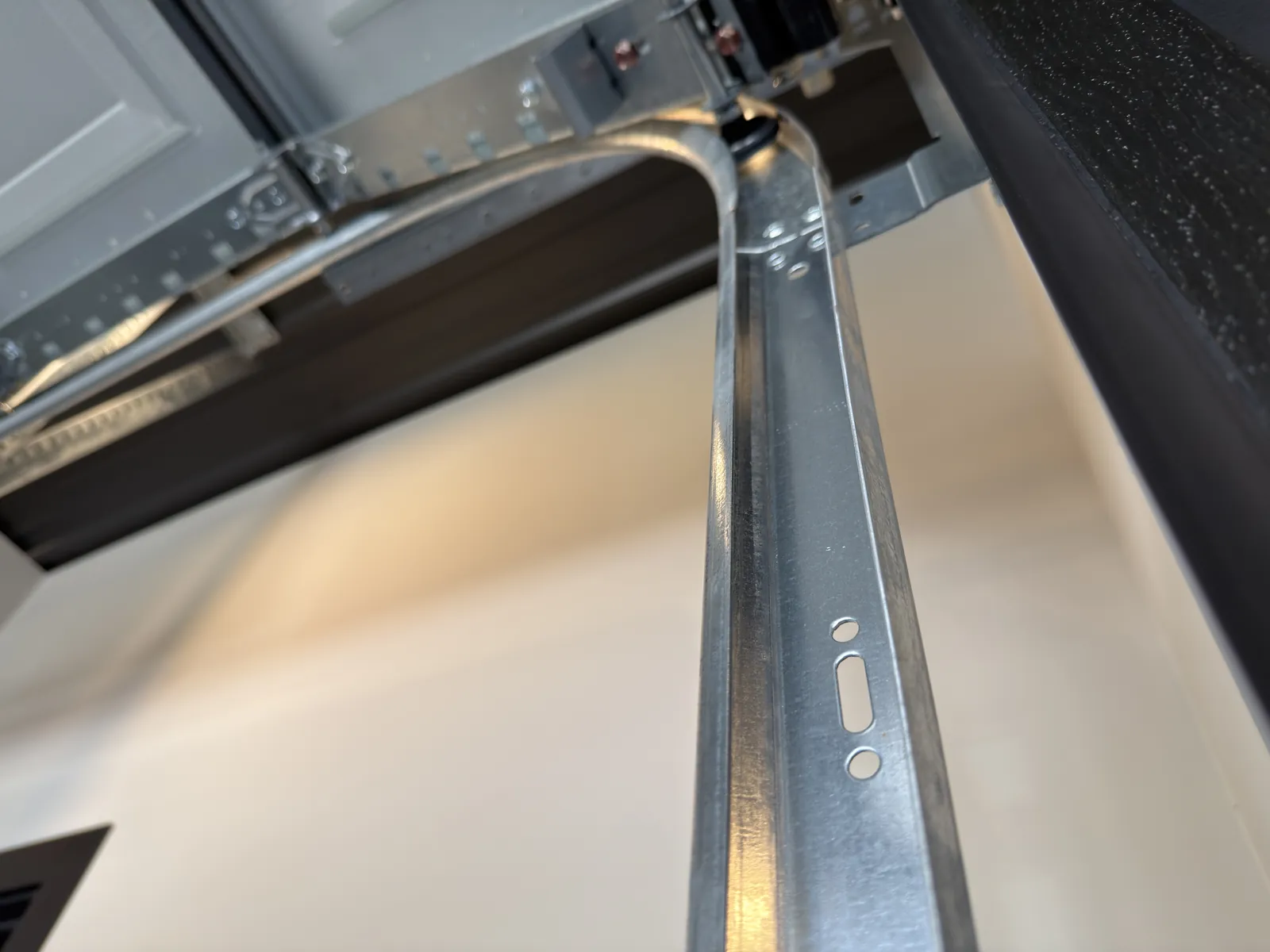
If you notice any serious operational problems, the safest first step is to stop using the door immediately. Keep people, pets, and vehicles away from it until a professional can assess the situation. Attempting to force a damaged door to open or close can cause more extensive damage or lead to a dangerous failure. Never pull the emergency release cord if the door is crooked, stuck, or has a suspected broken spring, as the door could fall uncontrollably.
- The door moves unevenly, is crooked in the tracks, or appears to be off-balance.
- You hear loud, unusual noises like popping, grinding, or screeching during operation.
- You can see a visible gap in a torsion spring or a dangling extension spring.
- Lift cables are frayed, snapped, or have come loose from the bottom of the door.
- The garage door opener motor is straining but the door barely moves or won't move at all.
- The door falls quickly when closing or won't stay open.
How Weather Impacts Your Garage Door's Performance
The changing seasons in Middle Tennessee & Southern Kentucky can take a toll on your garage door. Extreme cold can cause metal parts like springs and tracks to contract and become more brittle, while high heat and humidity in the summer can affect lubrication and cause wooden doors to swell. Regular maintenance ensures that your door is prepared for these shifts. A professional can apply the correct all-weather lubricant and adjust settings that may be affected by temperature, helping your door run smoothly year-round.
Use Seasonal Checks to Keep Maintenance on Track
Spring and fall are useful reminders to check your garage door between professional tune-ups. Look for damaged weather seals, wipe the safety-sensor lenses, and visually inspect for wear. These seasonal checks complement professional service; they do not replace inspection of the springs, cables, balance, and opener settings.
Homeowner care can also include lubricating hinges and rollers as directed by your door manufacturer's instructions, using a lubricant intended for garage doors. Follow any restrictions for your roller type, keep lubricant off the tracks and sensor lenses, and leave spring and cable work to a technician. If the door is damaged or moving unevenly, stop using it rather than trying lubrication as a repair.