
The July test
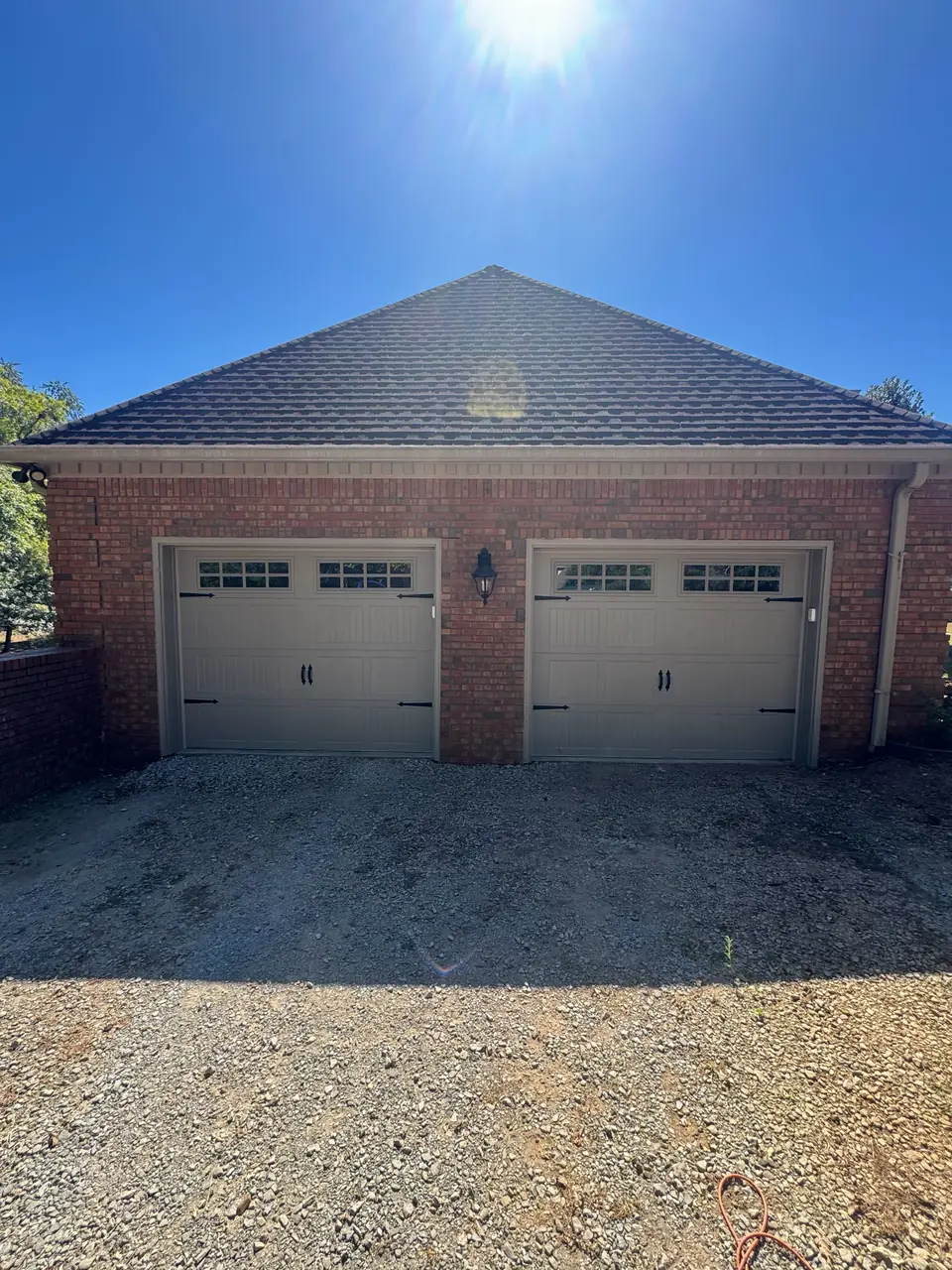
Walk into your garage late on a Tennessee July afternoon. If it feels like a parked car, the door is one part of the picture worth checking. Sun exposure, air gaps and the walls and ceiling all influence that heat. When the garage shares a wall or floor with living space, comfort matters beyond the parking space.
Insulation is one reason to compare new doors, but it is not the only one. Construction, sound, appearance and cost matter too. Here is how to weigh an insulated door against a non-insulated option without assuming the most expensive choice fits every home.
What insulated actually means
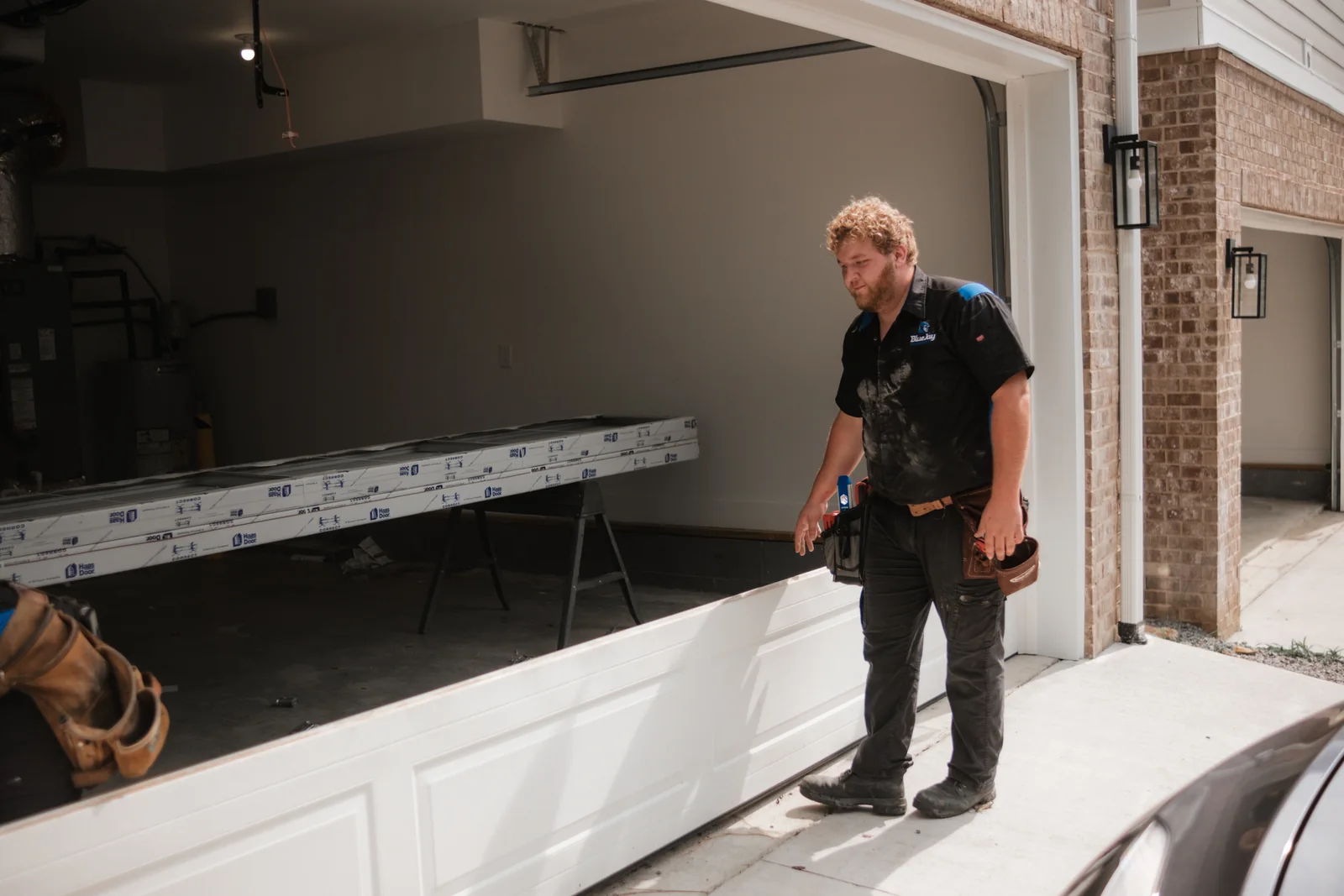
Doors are often described by their layers, but the details vary. A single-layer steel door has a steel skin without insulation. Some insulated doors have insulation behind the exterior skin; others have a finished interior steel back with insulation between the skins.
Polystyrene and polyurethane are different insulation materials used in garage doors. Do not assume a particular material always means the same layer count, interior finish or insulation rating. Compare the manufacturer information for the exact models on your quote.
- Look at the outside and inside of each door sample.
- Ask which insulation material, thickness and interior finish the model uses.
- Compare manufacturer ratings on the same basis; a quoted insulation value does not describe every feature of the installed opening.
What insulation does in a Tennessee garage
Temperature: insulation slows heat transfer through the door in summer and winter. It will not make an unconditioned garage feel like a living room. Its effect depends on the rest of the garage, air leakage, sun exposure and the connection to your home.
Noise: insulated and steel-backed models can feel and sound different from a light single skin. Rollers, hinges, balance, the opener and installation also affect operating noise. Compare the whole system if a bedroom sits above the garage.
Rigidity: steel-backed construction can provide a different level of stiffness from a single skin. Ask about the selected model’s construction and any tested wind rating. Insulation alone does not establish wind performance, dent resistance or how long hardware will last.
When an insulated door deserves a close look
An attached garage or a room above it makes the comfort discussion especially useful. Consider how much time you spend in the space and whether noise during early departures or late arrivals disturbs anyone in the house.
- The garage shares a wall or ceiling with living space.
- There is a bedroom or bonus room above the door.
- You spend time in the garage beyond parking or storage.
- You are comparing the construction and stiffness of a wide door.
- Quieter operation and a finished interior appearance matter to you.
When a non-insulated door may fit
A detached residential garage used mostly for parking or storage may not need the same construction as an attached garage below a bedroom. If budget is the deciding factor, compare what you gain from insulation with the way you actually use the space.
We can show you suitable choices and explain the differences. A basic door can be a practical option; the right answer comes from your opening, priorities and budget rather than a blanket rule.
Polystyrene versus polyurethane
Polystyrene commonly uses rigid foam board. Polyurethane is commonly injected as foam within the door section. The selected product’s construction determines how it is used, what the interior looks like and which thermal rating applies.
Ask to compare samples and the exact model specifications side by side. Price, insulation rating, panel construction and finish should all appear in the discussion. Avoid relying on one universal R-value or a promise that one material always performs a fixed number of times better.
What about the rest of the garage?
A better door works as part of the whole opening. Bottom and perimeter seals, gaps around the frame and the entry door into the house can affect comfort. Walls and ceiling insulation also matter. Confirm which seal work is included with your installation quote.
A worn seal may need attention even if you keep the existing door. Have damaged or binding doors inspected before focusing only on insulation. Do not adjust springs or cables yourself.
How to choose without guessing
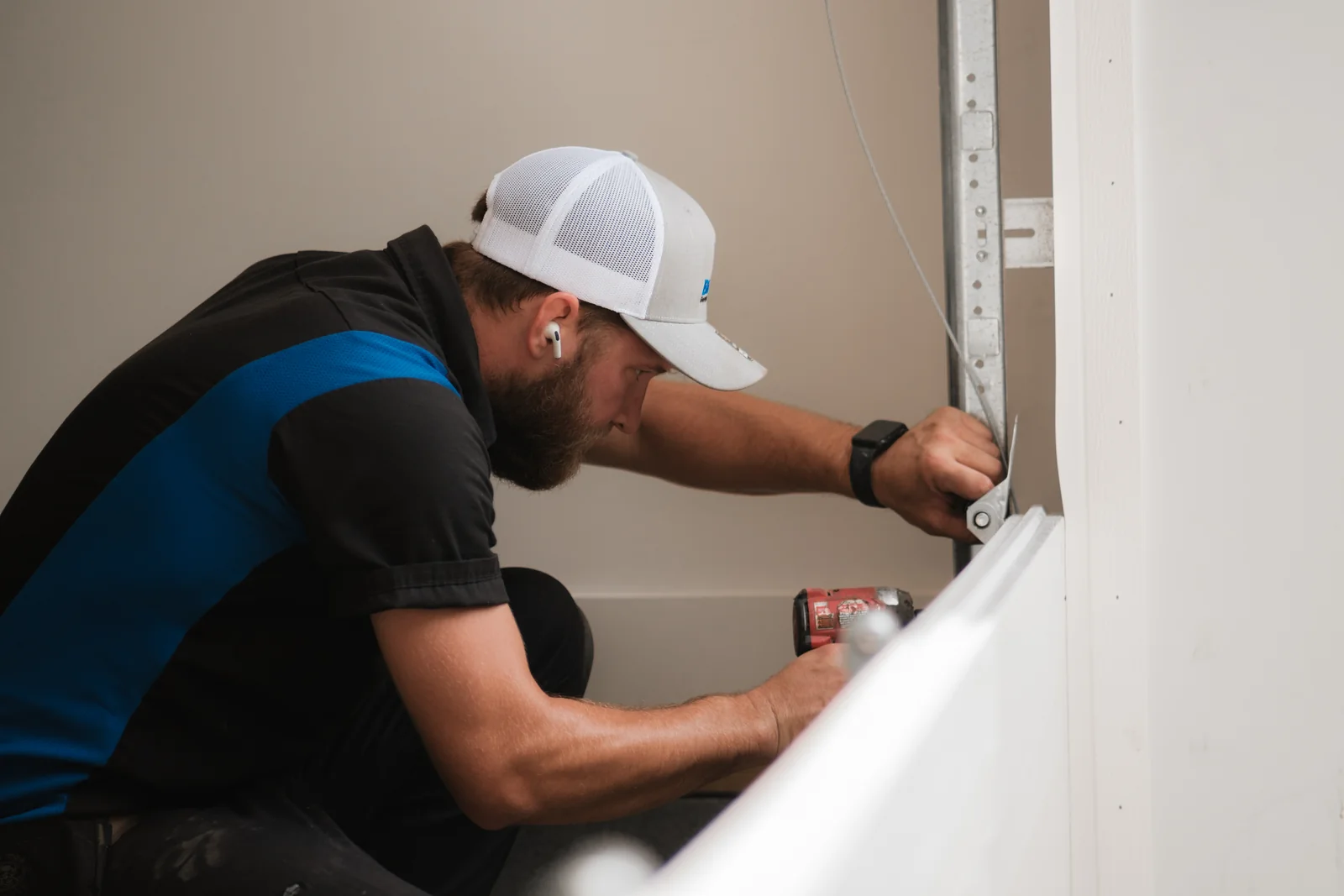
We sell Haas Door, C.H.I. Overhead Doors and Amarr residential doors. During a free new-door estimate, ask to see the construction and finish of the models that fit your home. We can compare insulation options, window packages and prices with you.
Bring up the room above the garage, how you use the space and any noise concerns. Ask which improvements come from the door itself and whether the existing opener, seals or other components also need attention.