Common Causes of Garage Door Dents
Garage door dents can happen in an instant from a single event or develop over time. Being aware of the most frequent causes can help you protect your door from future damage. Most impacts are accidental and happen close to home, right in your own driveway.
- Vehicle Impact: Misjudging the distance while parking is the number one reason for significant dents and damage.
- Weather Events: Hailstorms can leave a pattern of small dings, while strong winds can blow debris into the door, causing larger impacts.
- Recreational Activities: Stray baseballs, basketballs, or hockey pucks can easily leave their mark on a garage door panel.
- General Wear: Over time, older or lower-quality doors may become more susceptible to dings from everyday use and environmental factors.
How to Safely Assess a Dented Door
Before deciding what to do, it’s important to assess the damage. However, safety must come first. If the dent has caused the door to become crooked, bent, or if it is stuck open or closed, stop using it immediately. Do not attempt to force it to move with the opener or manually. Keep pets, people, and vehicles away from the door until it has been inspected by a professional.
If the door still appears to operate smoothly, you can perform a visual inspection from a safe distance. Look at the size and depth of the dent. Is it a small, shallow ding, or a large, deep indentation? Note its location. Dents along the bottom or edges of a panel, or on the seam between sections, are more likely to cause operational issues. Also, check if the paint is cracked or if the panel itself is punctured, as this can lead to rust and further deterioration.
Why Even Small Dents Can Cause Big Problems
A dent is more than just an eyesore; it can compromise the structural integrity of the door panel. A bent panel can disrupt the smooth travel of the door along its tracks, putting extra strain on the rollers, hinges, and lift cables. This added stress forces your garage door opener to work harder, which can lead to premature motor burnout and other component failures.
Over time, what started as a minor operational issue can cascade into a major one, potentially causing the door to get stuck or come off its tracks. Furthermore, a significantly damaged panel can weaken your home's security, making it a potential point of entry. Addressing the problem promptly is key to preventing more extensive and costly repairs down the road.
Repairing a Dent vs. Replacing a Panel
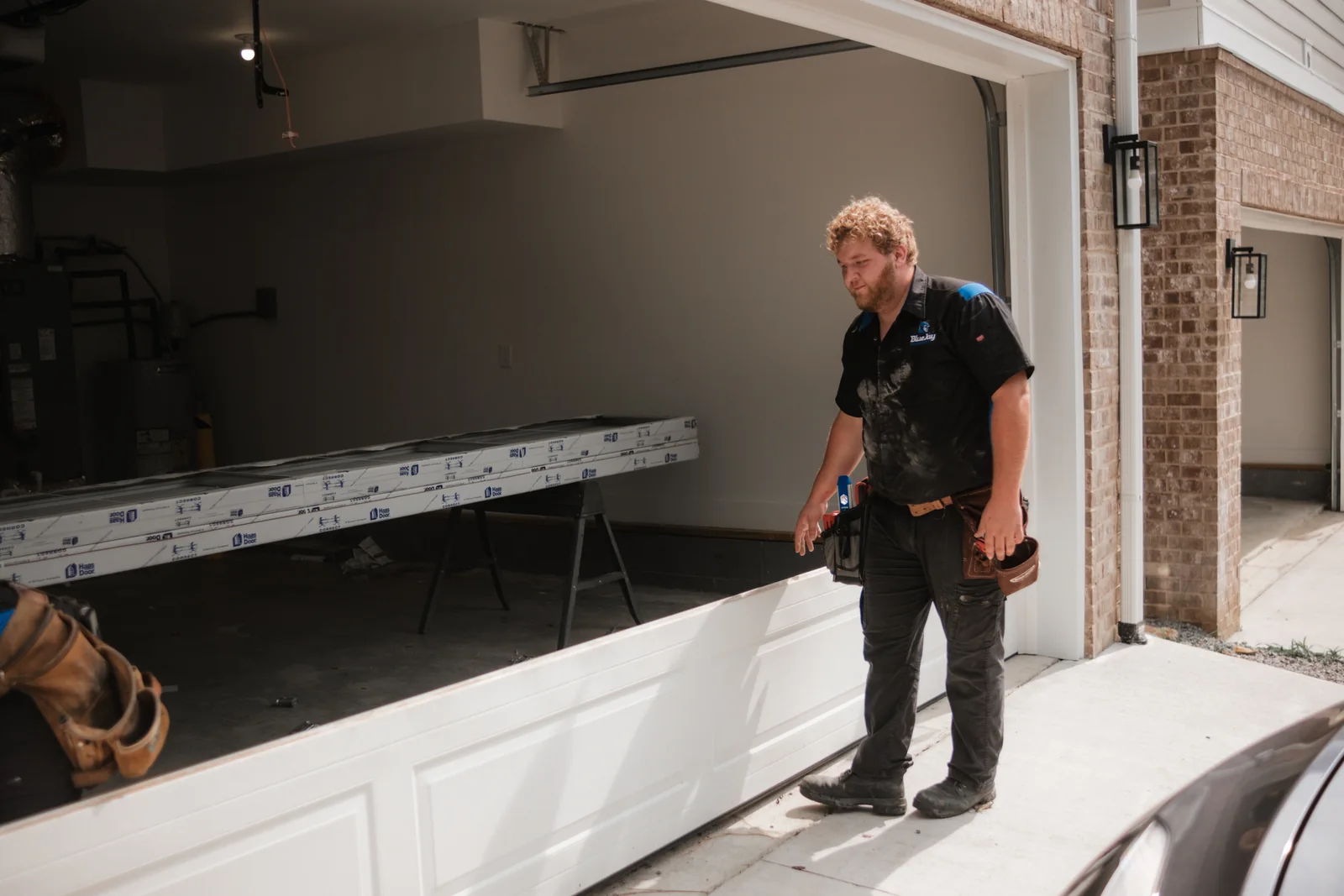
Many homeowners wonder if they can simply pop a dent out. While DIY methods exist online, they are rarely effective on the rigid, multi-layered construction of a garage door panel and often make the damage look worse. Pounding on or applying pressure to a panel can further damage its internal structure and finish. For most situations involving creases, deep dents, or cracked panels, replacement is the only reliable solution.
A professional panel replacement ensures that the structural integrity and insulation of the door are fully restored. A technician can source a matching panel from the manufacturer, ensuring a seamless look. The process involves carefully de-tensioning the spring system to safely remove the damaged section and install the new one, followed by re-balancing the entire door for smooth, safe operation. This process is complex and requires specialized tools and knowledge, making it a job best left to trained professionals.
Tips to Help Prevent Future Garage Door Dents
While accidents happen, a few preventative measures can significantly reduce the risk of damaging your garage door. Start by being mindful in the driveway. Avoid parking too close to the door and consider installing parking aids like a hanging tennis ball or a laser guide to help you gauge the distance.
Encourage children to play sports and other activities a safe distance away from the garage. Keeping the area directly in front of the door clear of bicycles, tools, and other large objects also removes potential hazards. Finally, regular maintenance helps keep your door in good condition, making it less prone to damage from operational wear and tear.