
Deciding Between Panel Repair and Full Replacement
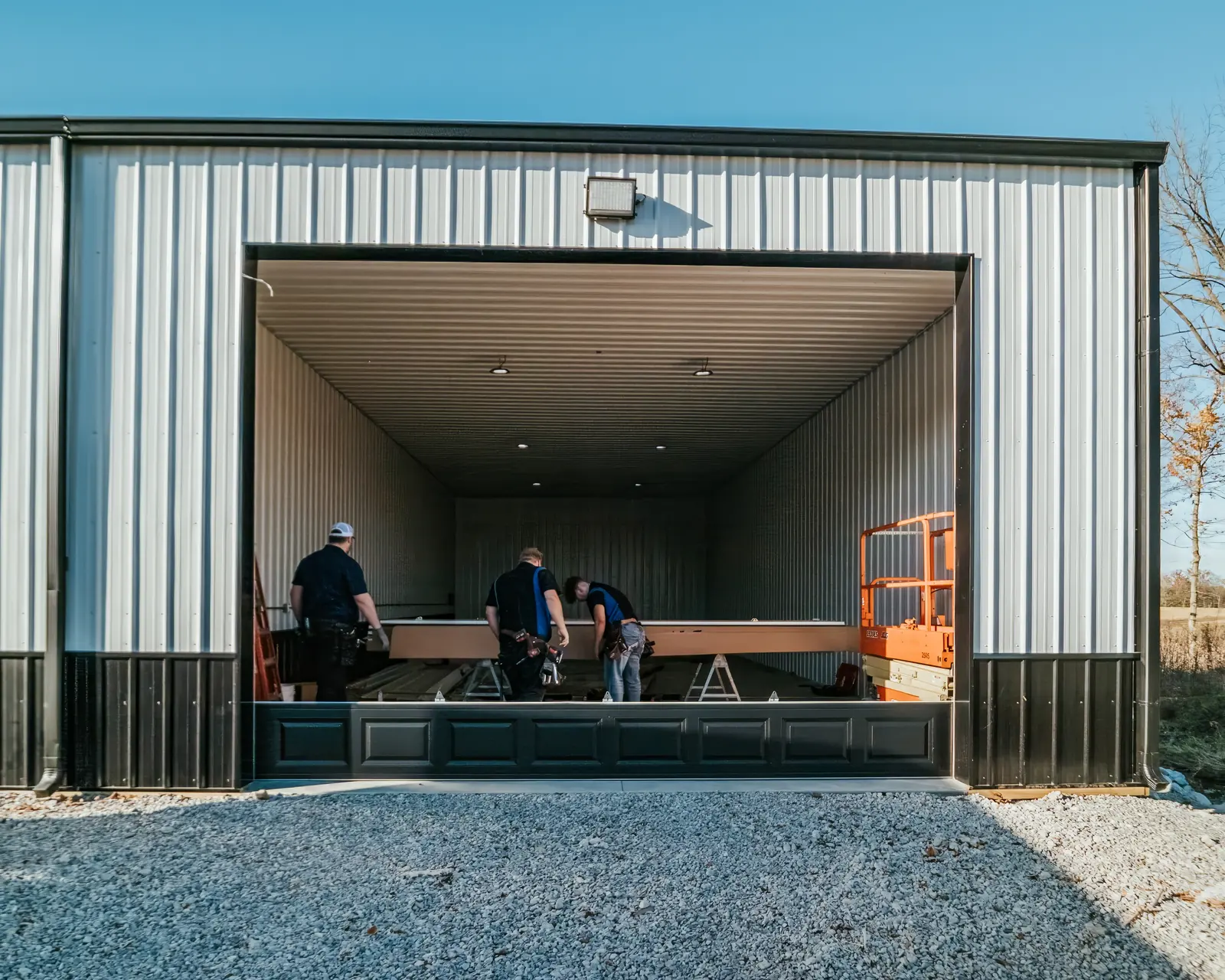
Whether to replace a single garage door panel or the entire door depends on a few key considerations. First, evaluate the age and overall condition of your door. If it's relatively new and the other panels are in great shape, swapping out just the damaged section is often a practical, cost-effective fix. However, for an older door that is already showing signs of widespread wear, rust, or fading, investing in a single new panel may not be a wise long-term solution.
The nature of the damage is another critical factor. Minor cosmetic issues like a small dent or a few scratches on one or two panels are prime candidates for section replacement. In contrast, severe structural damage from a vehicle impact or extreme weather may have compromised more than just the panel itself, potentially affecting the door's frame, tracks, and alignment. In these situations, a full replacement is often necessary to ensure the entire system is safe and functional.
- Age of the Door: Newer doors are better candidates for panel replacement.
- Extent of Damage: Minor, localized damage is fixable; severe or widespread damage may require a new door.
- Panel Availability: The manufacturer must still produce a matching panel for your door model.
- Overall Condition: If other panels are worn, a new section will look out of place and other parts may fail soon.
The Challenge of Matching a New Panel
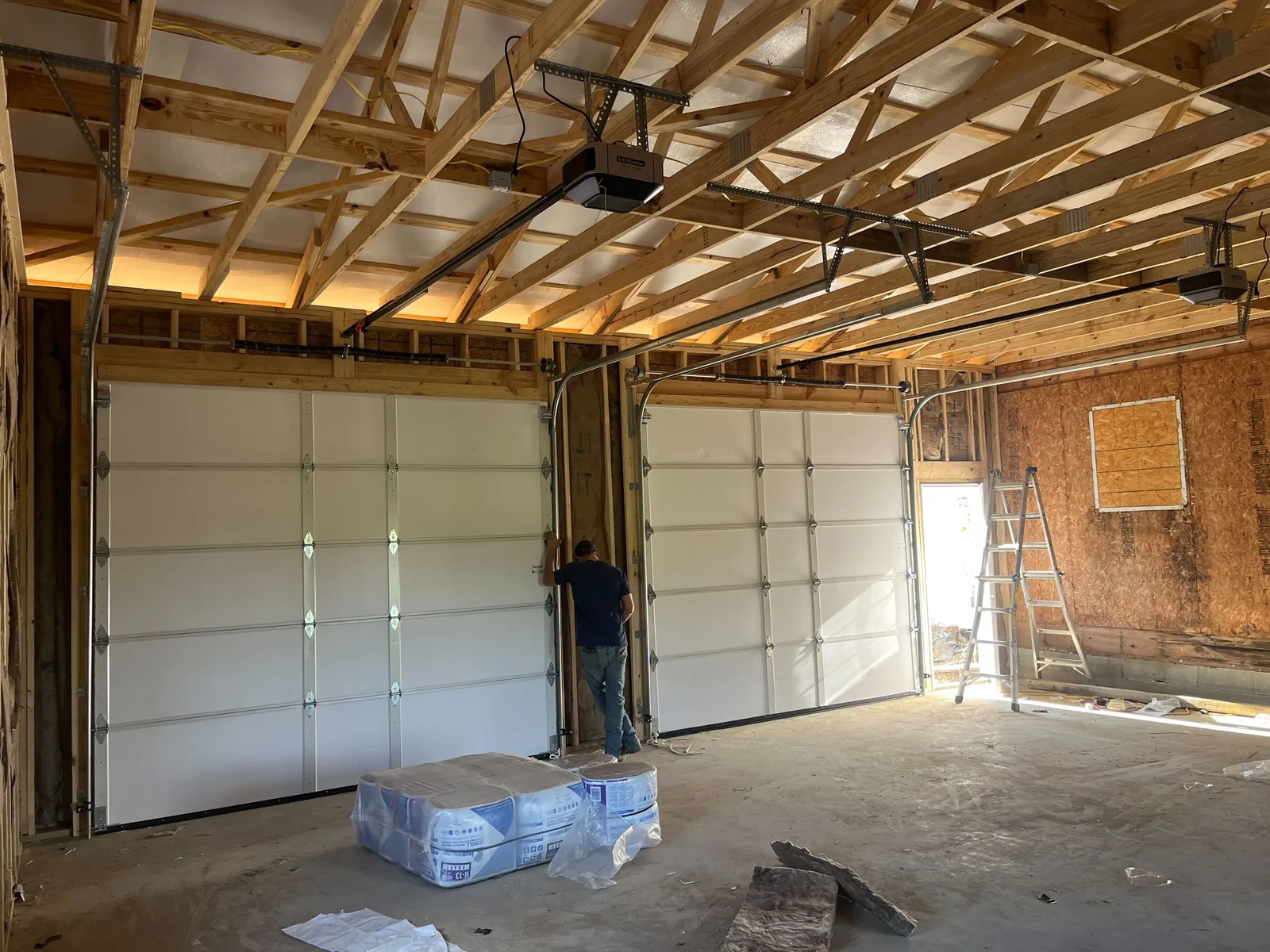
One of the biggest hurdles in replacing a single garage door panel is achieving a perfect match. Even if the original model is still in production, your existing panels have been exposed to the elements. Sunlight can cause the original color to fade over time, meaning a brand-new panel will likely stand out, creating a patchwork effect that can hurt your home's curb appeal. The difference can be subtle or quite noticeable, depending on the door's color and how long it has been in service.
Furthermore, manufacturers periodically update their designs, textures, and window placements. The exact style of your door might be discontinued, making it impossible to find an identical replacement. Attempting to install a panel that's a close-but-not-perfect match can affect not only the look of your garage door but also its alignment and weather resistance. A professional can help determine if a suitable match is available or if a new door is the better aesthetic choice.
How to Safely Assess Garage Door Damage
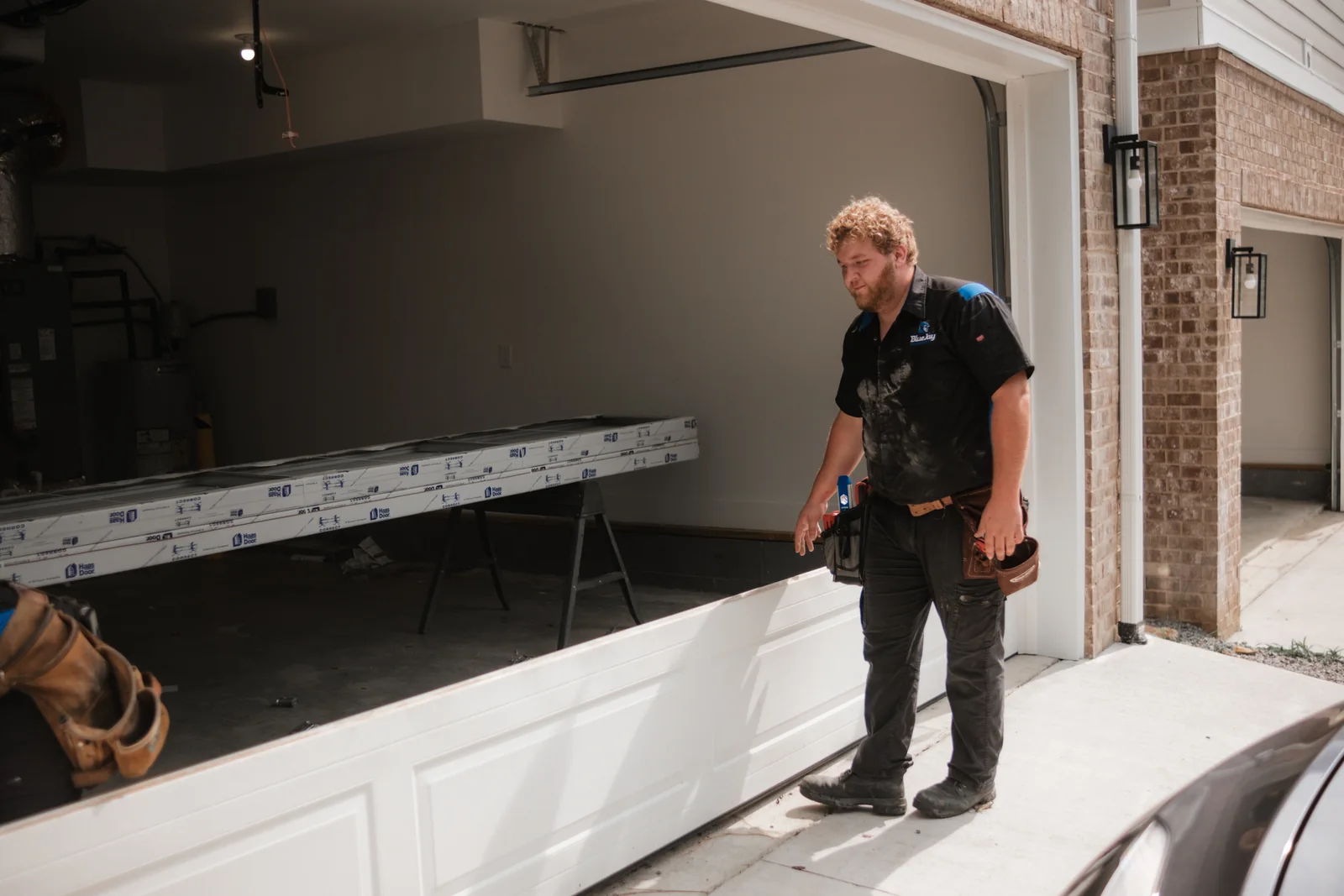
If your garage door is damaged, your first priority is safety. Stop using the door immediately, especially if it was hit by a car, appears crooked, is off its tracks, or made a loud noise like a bang or snap. Keep pets, children, and vehicles clear of the area until it has been professionally inspected. Do not attempt to move the door manually or use the opener, as this could cause further damage or lead to the door falling.
From a safe distance, you can perform a visual inspection. Look for obvious signs of damage such as cracks, deep dents, or warping in the panels. Check if the door is sitting evenly on the ground or if it appears misaligned in the opening. You can also look at the tracks to see if they are visibly bent or blocked with debris. However, do not attempt to repair or adjust any components yourself. The springs, cables, and bottom brackets are under extreme tension and can cause severe injury if handled improperly. This assessment is purely to gather information before calling a qualified technician.
Why Surface Damage Can Signal Deeper Problems
What looks like a simple dent on a garage door panel can sometimes be a sign of more serious, hidden issues. The force from an impact can travel through the door system, bending the steel tracks, damaging the rollers, or even throwing the counterbalance system out of alignment. Replacing only the visible panel without addressing these underlying problems can lead to ongoing operational issues and premature failure of other components. The door might become noisy, struggle to open and close, or put excessive strain on your garage door opener.
Furthermore, garage doors are carefully balanced systems. Each panel contributes to the door's total weight, which the spring system is calibrated to lift. Installing a new panel, which may have a slightly different weight or construction than the original, can throw off this delicate balance. An imbalanced door is a safety hazard and will cause the opener motor and springs to work harder, shortening their lifespan. A professional technician will always inspect the entire system and recalibrate it after a panel replacement to ensure safe, smooth, and reliable operation.
DIY Dangers: Why Panel Replacement is a Job for Pros
While some home maintenance tasks are great for a weekend project, replacing a garage door panel is not one of them. This task is more complex and dangerous than it appears. Garage doors are extremely heavy, and the spring system that helps lift them is under dangerously high tension. Attempting to disconnect a panel without the proper knowledge and specialized tools can lead to the door crashing down or high-tension components releasing unexpectedly, causing serious injury or significant property damage.
Hiring a professional technician from a company like Blue Jay Garage Doors ensures the job is done safely and correctly. Trained experts have the right equipment to support the door's weight, safely manage the spring tension, and properly align the new panel within the track system. This not only protects you from harm but also ensures the door's continued performance and longevity. A professional installation provides peace of mind that your door is secure, balanced, and ready for daily use.
What Counts as a Garage Door Section?
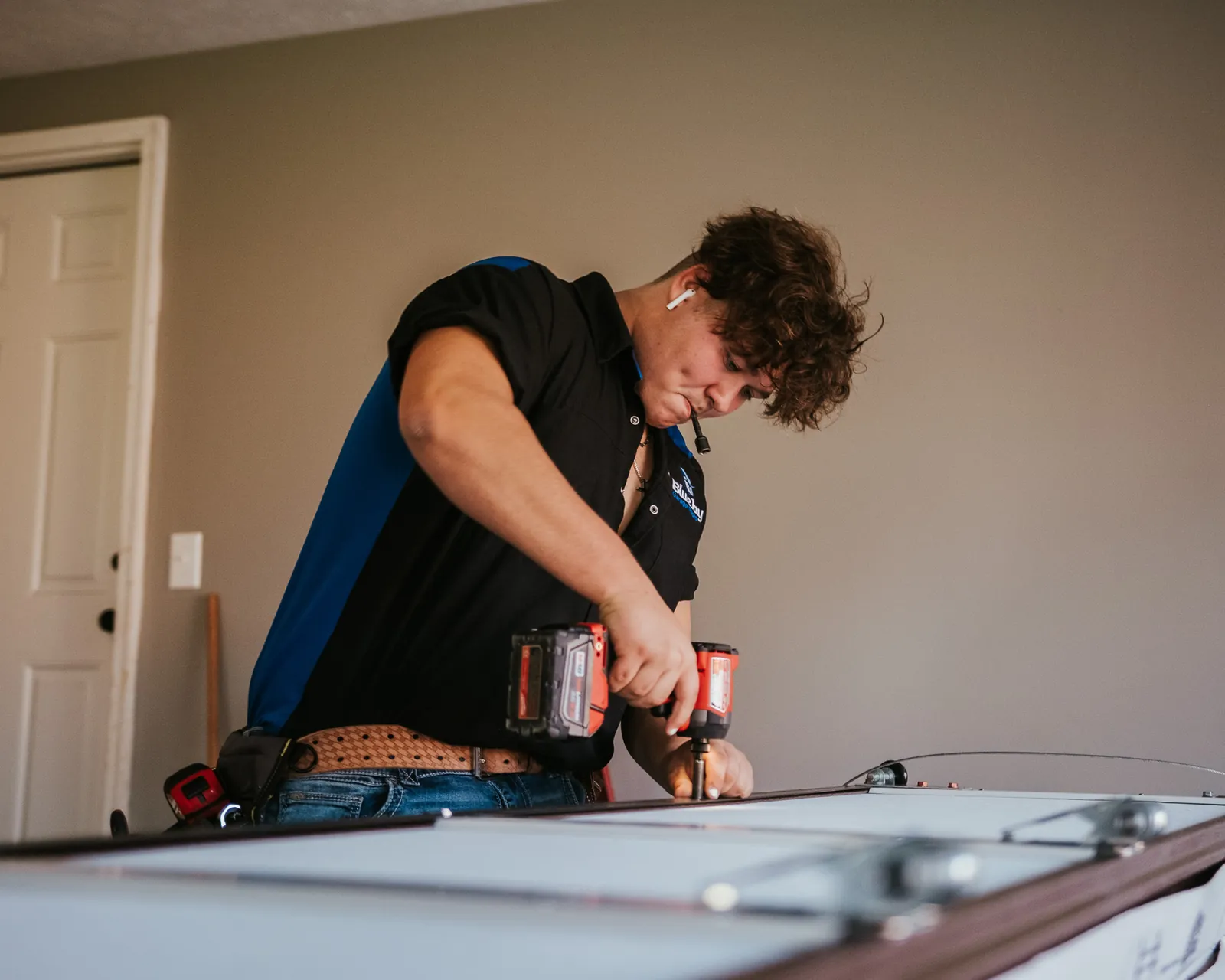
On a sectional garage door, a section is a horizontal segment that spans the door’s width. These segments connect with hinges so the door can follow the tracks as it opens and closes. In a repair discussion, “panel replacement” often means replacing that whole horizontal section, not just the small decorative rectangle surrounding a dent.
What Affects the Cost of Replacing a Panel?
A panel replacement involves more than the replacement section itself. The material, installation labor, and any special finish or design affect the total. Steel, aluminum, and fiberglass sections have different costs, and matching a customized appearance can add expense.
When comparing a section replacement with a whole new door, ask for an itemized assessment that includes any related track, roller, or spring work the technician identifies. That helps you compare complete repair options rather than weighing the price of a panel against the price of an installed door.