The Role of Photo-Eye Safety Sensors
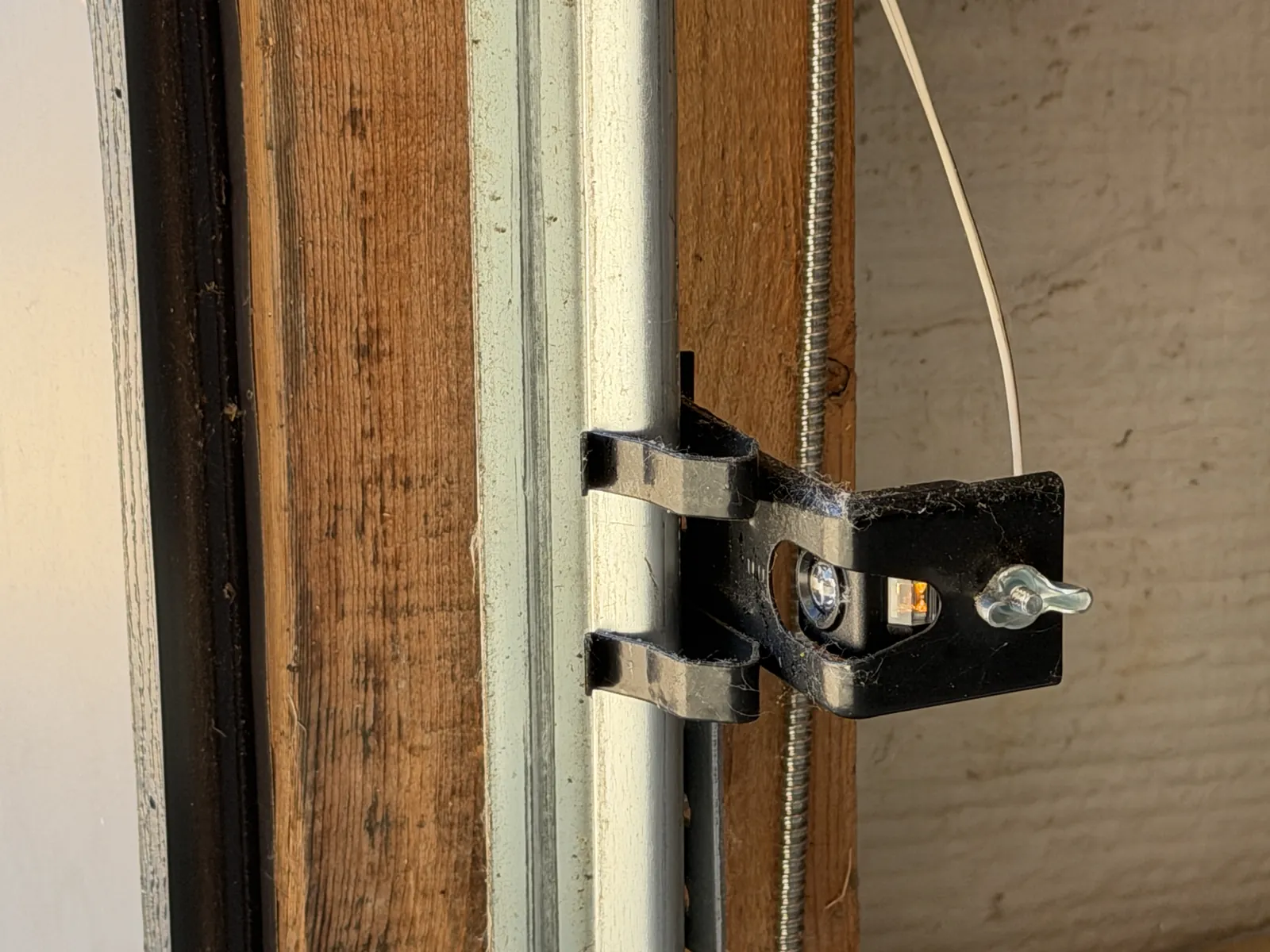
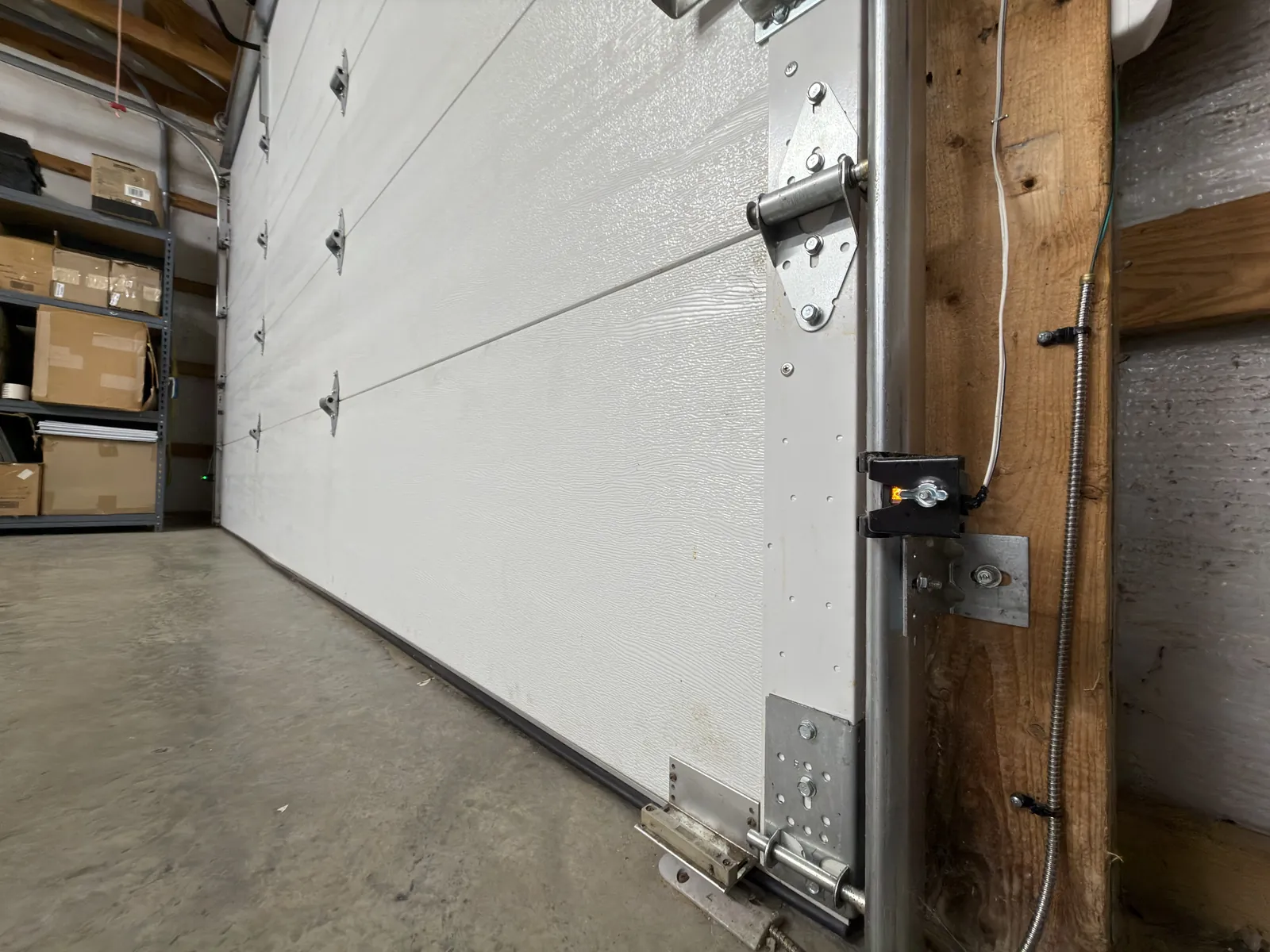
Often called photo-eyes, garage door safety sensors are a pair of small devices located near the bottom of your garage door tracks, a few inches off the floor. One unit sends a narrow, invisible infrared beam to the other unit, creating a detection line across the door's opening. As long as this beam is unbroken, the garage door opener will allow the door to close normally. If anything—a person, a pet, a car, or even a stray box—interrupts that beam while the door is descending, the opener's logic board immediately receives a signal to stop and reverse the door. This system is a vital safety feature required on all modern automatic garage door openers, designed specifically to prevent entrapment and impact damage.
Is It the Sensors? Common Warning Signs
When your garage door starts to close but then shoots back up, it's a primary indicator of a safety sensor issue. The opener is interpreting a signal that the path is obstructed, even if you can't see anything there. While this can be frustrating, it means the safety mechanism is active. Several signs point specifically to a problem with the photo-eyes themselves.
- The garage door will not close at all using the remote, only reversing or stopping.
- The main light on your garage door opener motor flashes multiple times when you try to close the door.
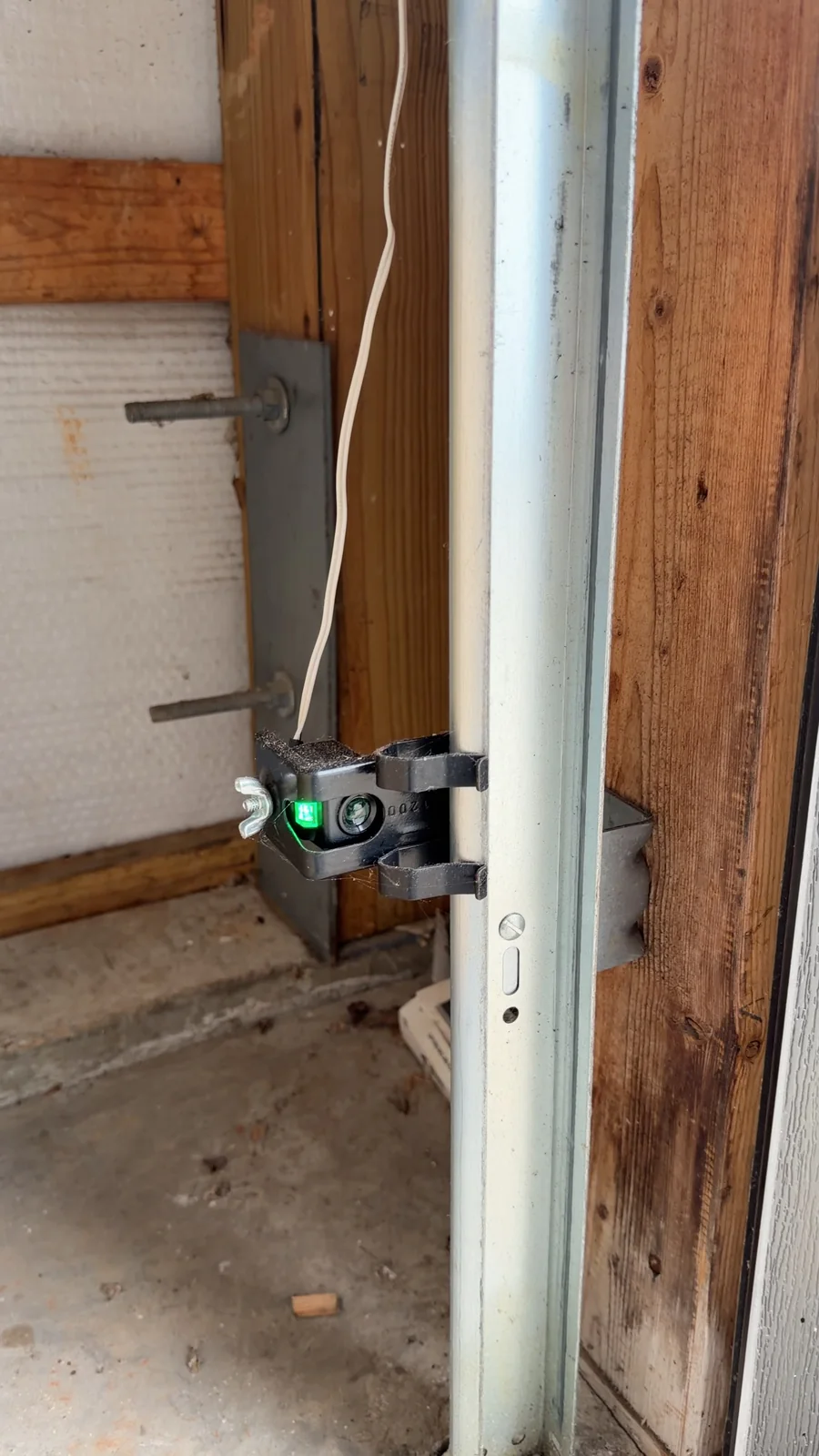
- The small LED indicator lights on one or both of the sensor units are blinking, flickering, or off entirely.
- You have to hold down the wall-mounted button continuously to force the door to close (a safety override).
Safe Troubleshooting for Homeowners
Before assuming a costly repair is needed, there are a few safe checks you can perform. First and most importantly: if your garage door is crooked, making loud noises, or appears to have a broken spring or frayed cable, stop using it immediately. Keep people, pets, and vehicles away from the door and do not attempt to move it. For simple sensor issues, however, you can safely investigate the following:
Start by wiping the lenses on both sensors with a soft, clean cloth to remove any dust, cobwebs, or grime that could be blocking the beam. Next, check for any items near the door opening that might be in the beam's path. Sometimes a shovel, bin, or even overgrown foliage can cause an obstruction. Finally, look at the sensors themselves. They are held by brackets and can get bumped out of alignment. Indicator lights differ by brand and model, so check your opener manual for what yours should show and for any owner alignment step the manufacturer describes.
Why Sensor Problems Can Be Complex
If cleaning and realignment don't solve the problem, the issue may be more complex than it appears. The low-voltage wiring that connects the sensors to the opener unit can become damaged over time. Pests might chew on the wires, moisture can cause corrosion, or a staple could have accidentally nicked the insulation during a different project. These wiring faults can create an intermittent or permanent failure that mimics a sensor problem.
In other cases, the issue might not be the sensors or wiring at all, but the logic board inside the garage door opener motor unit. The internal circuitry that processes the signal from the sensors can fail, leading to incorrect behavior. A professional technician can use diagnostic tools to determine if the fault lies with the sensors, the wiring, or the opener's main board, ensuring the correct part is repaired or replaced.
Professional Diagnosis and Installation
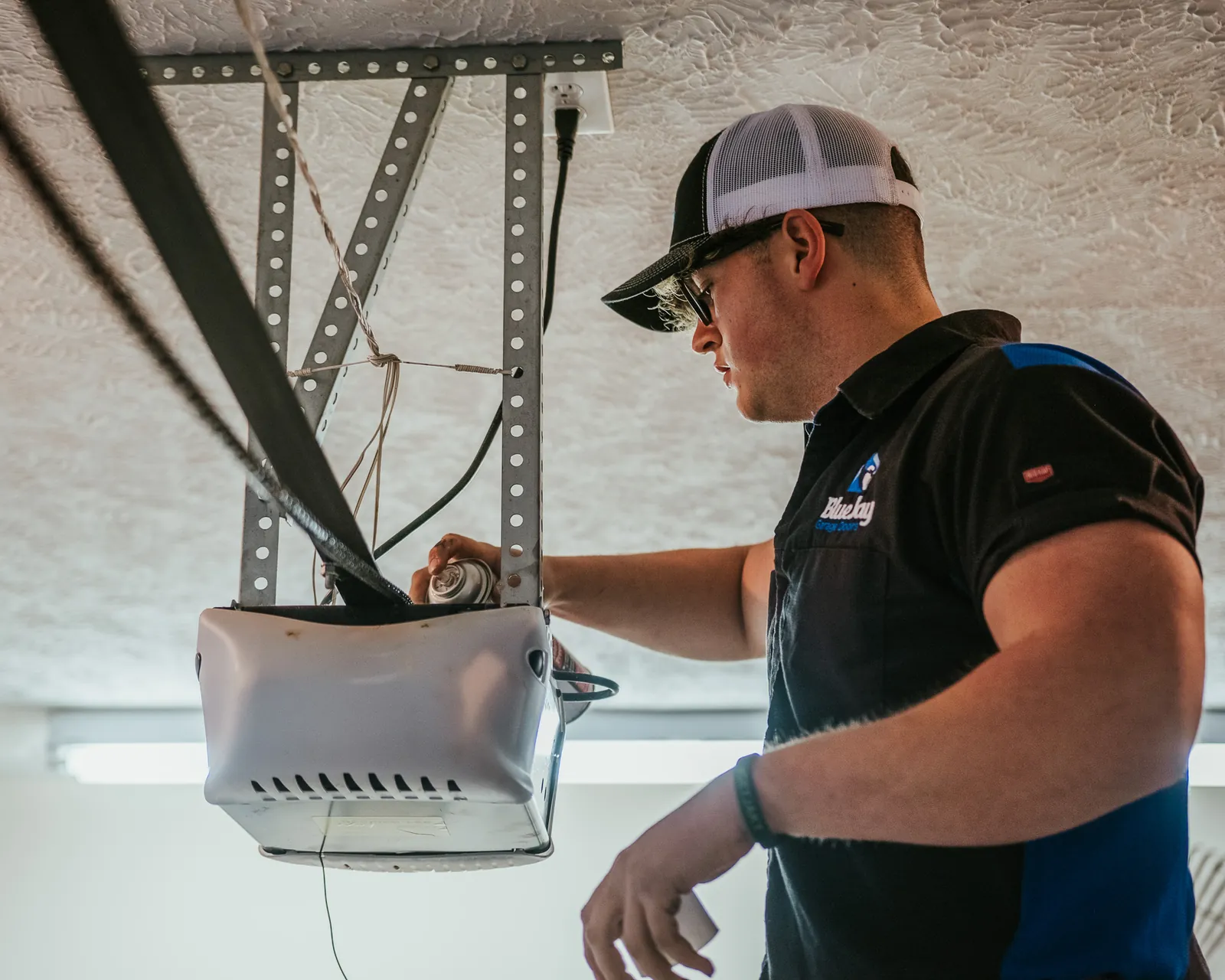
While it may be tempting to try replacing the sensors yourself, correct installation is critical for the safety of your home and family. The sensors must be wired properly and aligned with precision for the safety-reverse system to function as intended. An improper installation can lead to a system that fails to detect an obstruction, creating a serious hazard. Hiring a qualified technician provides peace of mind. They have the expertise to accurately diagnose the root cause of the issue, whether it's a simple alignment fix, a wiring problem, or a faulty sensor unit. A professional will also ensure any replacement parts are fully compatible with your specific garage door opener model and will perform a full safety test to confirm the system is working correctly before completing the job.
What Affects the Cost of Sensor Replacement?
Safety sensor repair starts from $199. The assessment may identify an obstruction, alignment issue, wiring fault, failed sensor or a different door or opener problem. Those are different scopes of work; the symptom alone does not establish that sensors need replacement.
Ask which sensor or related part is compatible with your exact opener model and whether the quote is for repair or replacement. Confirm the diagnosis, proposed work and total before authorizing service.
- Parts: Which sensor type is compatible with your existing opener?
- Labor: Does the estimate include installation, alignment, and safety testing?
- Additional repairs: Are wiring repairs or track adjustments needed, and why?