
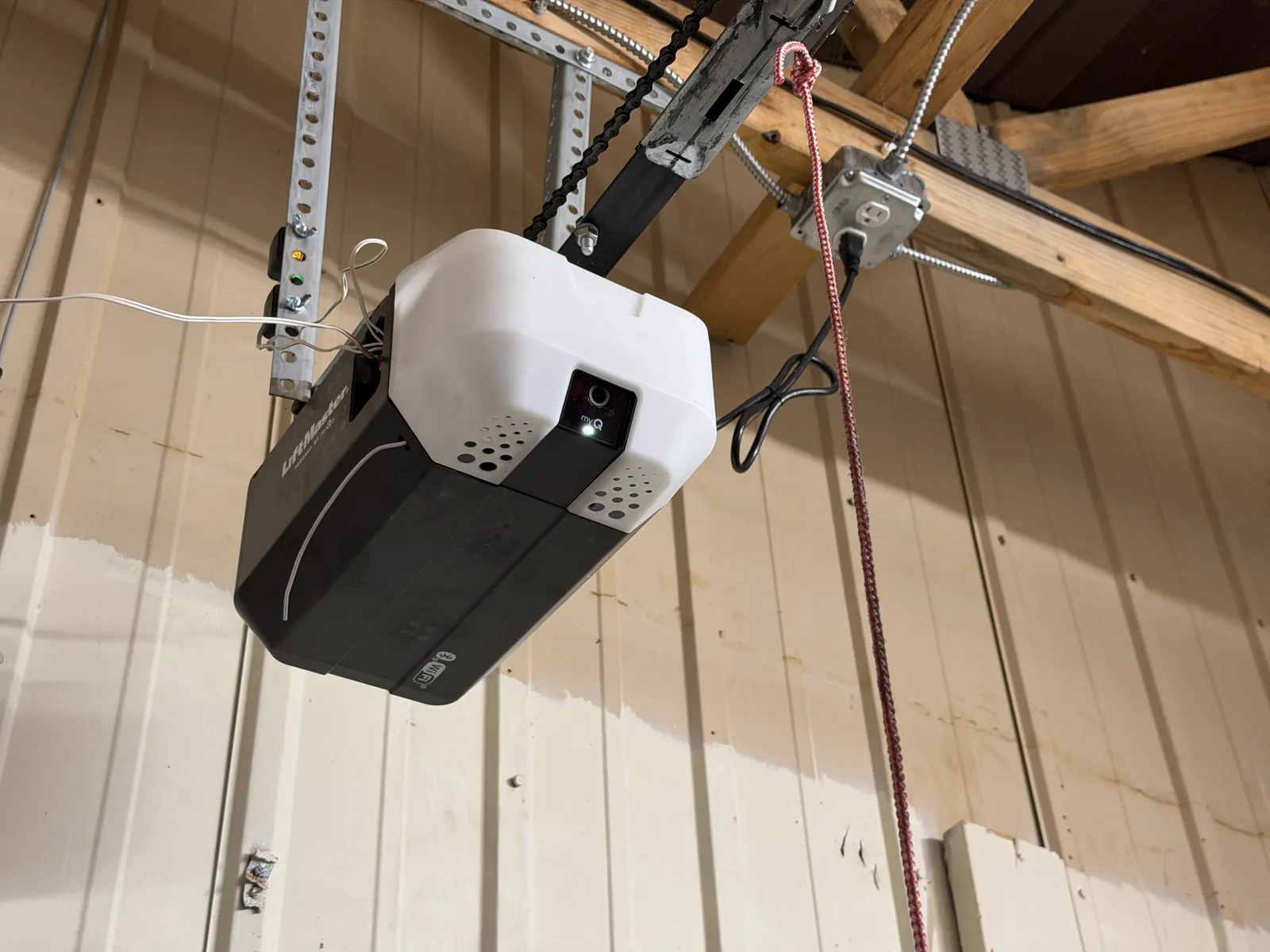
When a Remote or Wall Button Fails to Respond
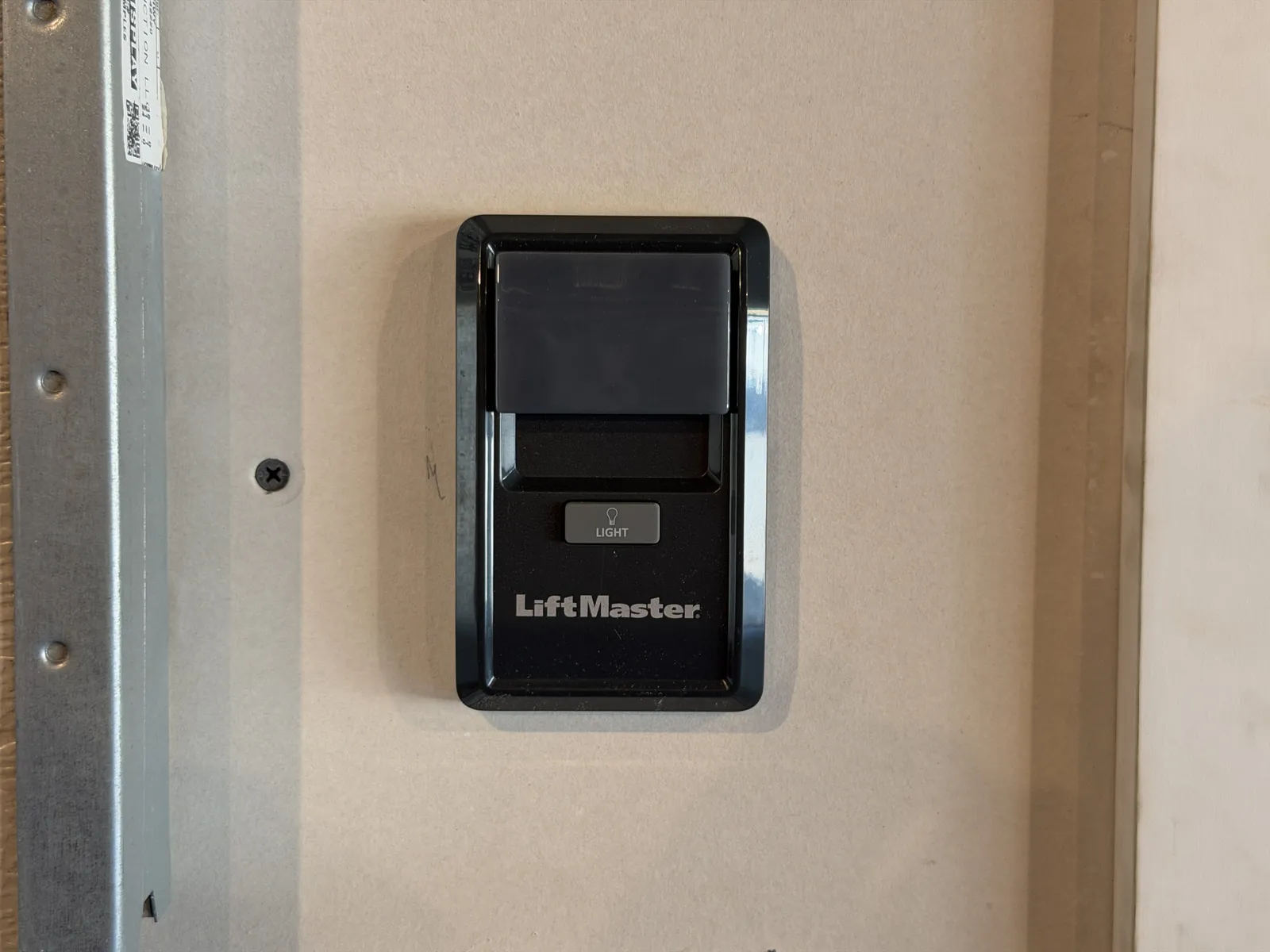
If the garage door opens with one control but not the other, you can isolate the problem. When the wall button works but the remote doesn't, the issue is almost always related to the remote itself. This is often the easiest problem to solve. Conversely, if your remote works but the wall button is unresponsive, the problem lies with the button, its console, or the low-voltage wiring connecting it to the motor. Chasing down a faulty wire can be tricky, so this is typically a job for a professional technician.
- Check the remote's battery; it's the most common reason for failure.
- The remote may need to be reprogrammed. Consult your owner's manual for the steps to sync it with the motor unit.
- Check the wall console for a 'Lock' or 'Vacation' button. If this feature is activated, it disables the remotes as a security measure.
- Physical damage from being dropped or exposed to moisture can cause a remote to stop working permanently.
Troubleshooting a Completely Unresponsive Opener
If neither the remote nor the wall button elicits any response from your garage door opener, the unit may not be receiving power. Before concluding that the motor has failed, there are several simple things you can check yourself. These steps help rule out basic power supply issues that can make an opener appear completely dead. Always start with the most obvious culprits, as the solution is often simpler than you think. If you check all the power sources and the opener still shows no signs of life, the problem is likely internal to the motor unit.
- Make sure the motor unit is firmly plugged into the ceiling outlet. Cords can sometimes be accidentally dislodged.
- Test the outlet itself by plugging in another device, like a lamp or phone charger, to confirm it has power.
- Check your home's circuit breaker panel to see if the breaker for the garage has been tripped.
- Look at the motor unit. If its light isn't on, it's a strong sign of a power issue.
- A burned-out light bulb in the opener can make it seem dead. Try a new bulb to be sure.
What if the Motor Runs but the Door Won't Move?
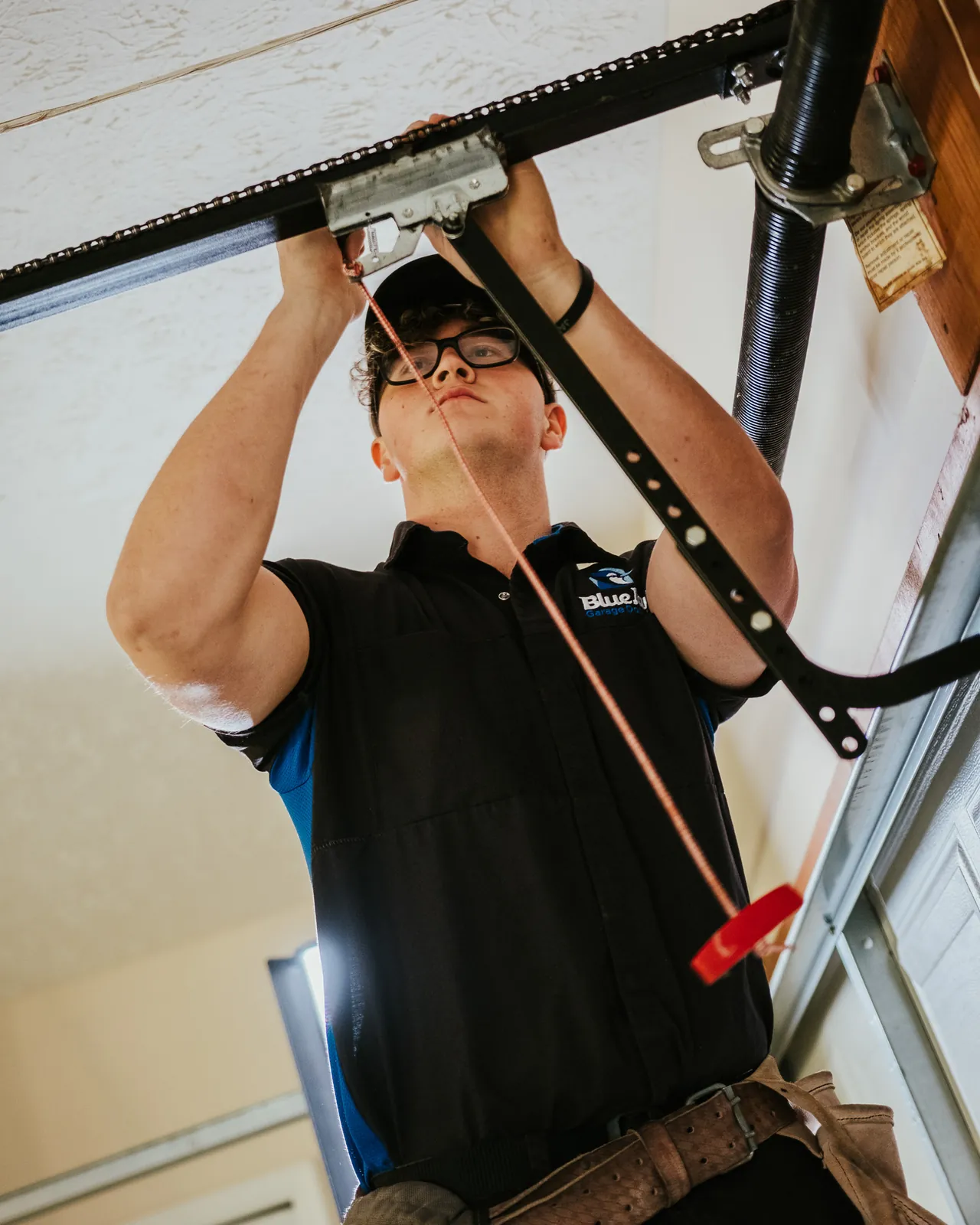
If you hear the motor running but the garage door stays put, the first thing to check is the trolley disconnect. Every opener has a manual release, usually a red cord hanging from the track, that detaches the door from the opener's drive mechanism. This allows you to open the door by hand in a power outage. It's possible this was pulled by accident. If the door appears to be in its normal, balanced position on the tracks, you can typically re-engage the trolley by following the instructions in your owner's manual.
However, this symptom could also indicate a stripped gear inside the opener, which requires professional service. CRUCIAL SAFETY NOTE: If you hear the motor straining or the door looks crooked, is off its tracks, or hangs unevenly, do not attempt to re-engage the opener or lift the door manually. This could be a sign of a broken spring or cable, making the door extremely heavy and dangerous. In this situation, clear the area and call a professional immediately.
Understanding Noisy Garage Door Operation
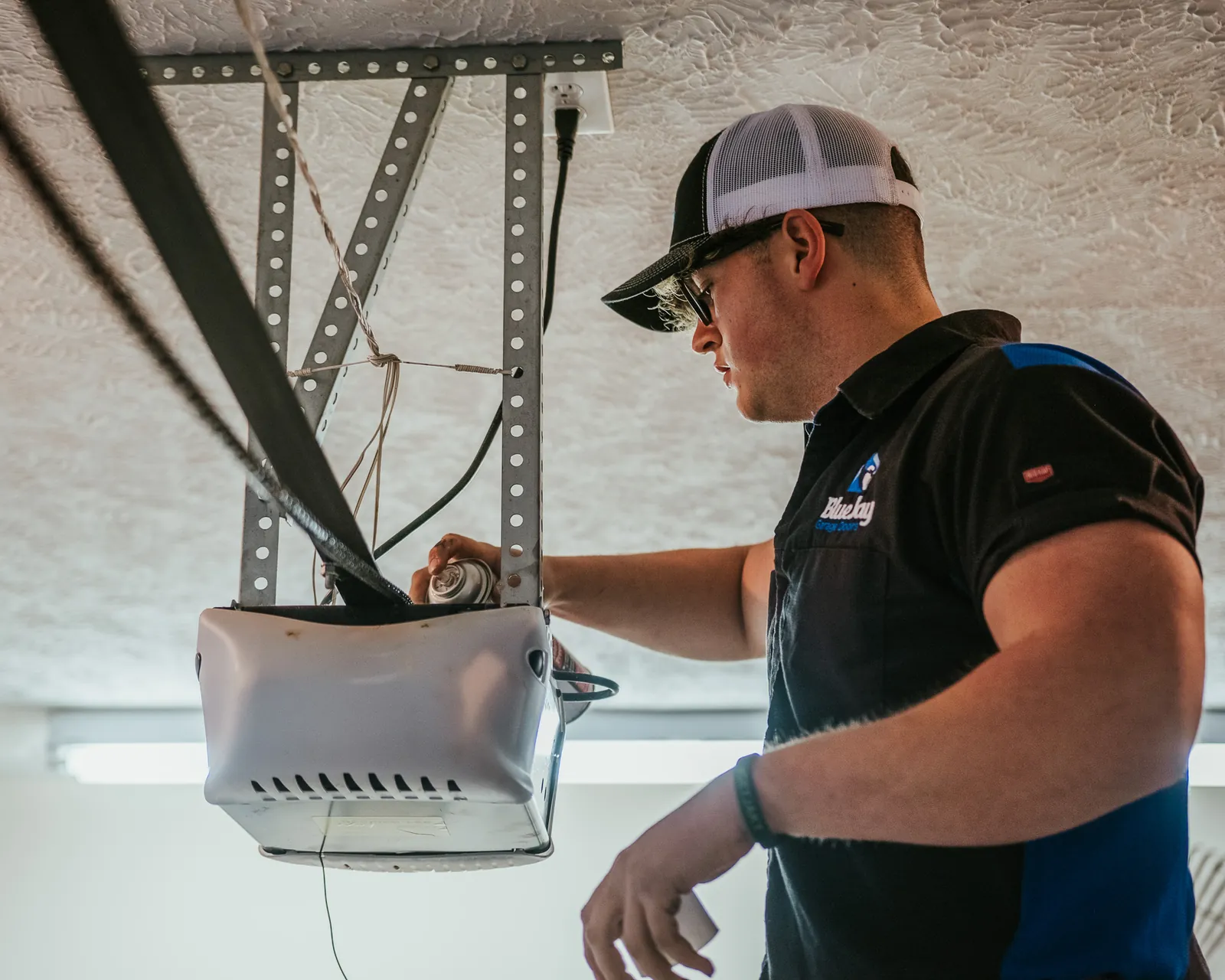
A garage door opener that has suddenly become very loud isn't necessarily failing. Often, the noise comes from the door itself, not the motor. Worn-out metal rollers, hinges that need lubrication, or a drive chain that requires adjustment are common sources of squeaking, rattling, and groaning. These are typically door maintenance issues that can be addressed during a professional tune-up. However, if you hear grinding or clunking sounds coming directly from the motor housing on the ceiling, this could indicate a more serious internal problem, like a worn gear. Be sure to describe the type and location of the sound when you call for service.
Should You Repair or Replace Your Garage Door Opener?
When an opener's internal components fail, such as the logic board or motor, you face the choice of repairing or replacing the unit. The age and model of the opener are primary considerations. As units get older, finding compatible replacement parts can become difficult or impossible. Furthermore, some openers were not designed to be easily serviced, making replacement the only practical option. Investing in repairs for an older, basic model might not be cost-effective. Modern openers offer significant advantages, including quieter operation, battery backup for power outages, and smart home connectivity. A professional technician can inspect your unit, explain the costs and benefits of both repair and replacement, and help you make an informed choice.
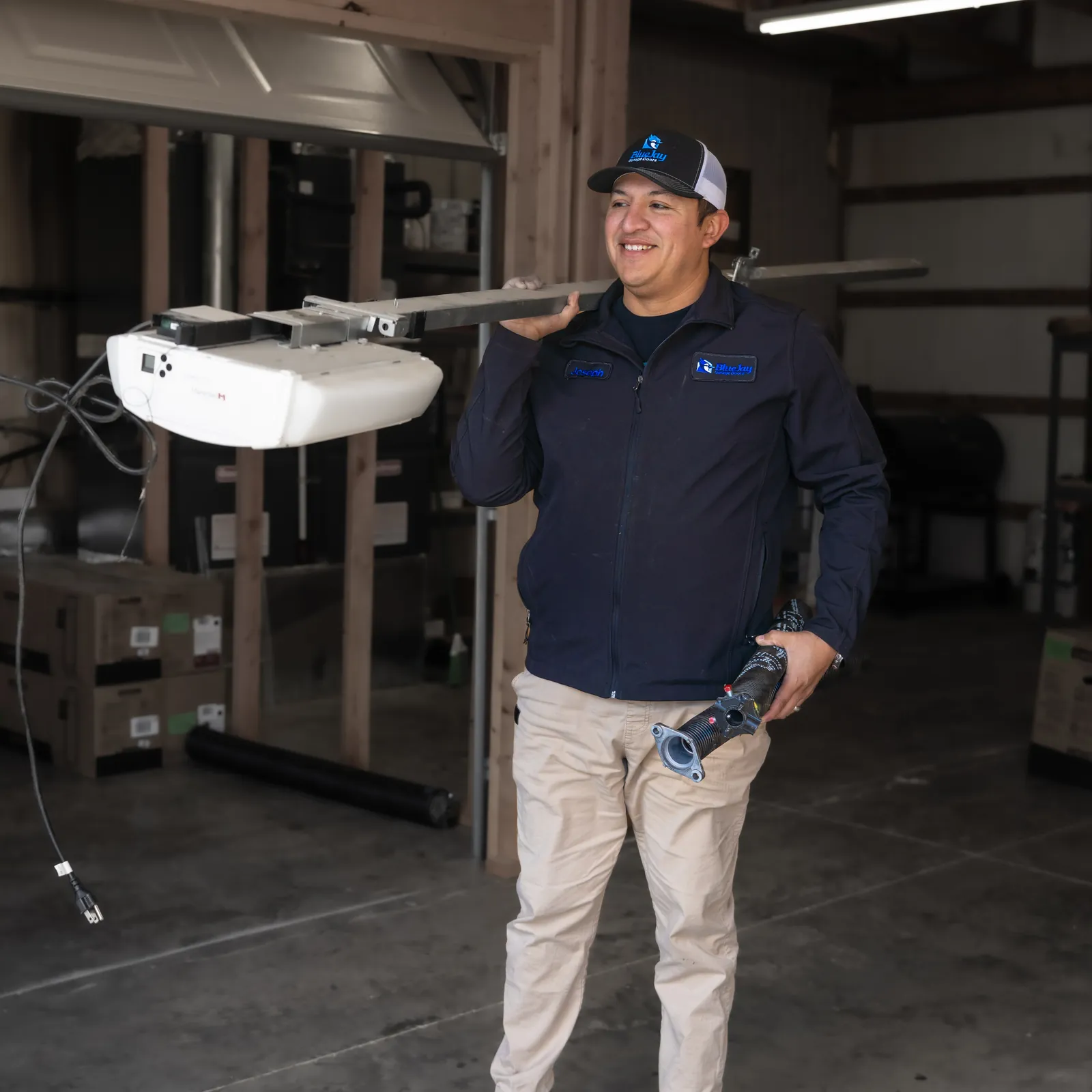
When the Door Starts Opening but Stops Partway
A door that starts opening and then stops partway needs a different diagnosis than an opener that never responds. Possible causes include an incorrect travel-limit setting, binding in the tracks, or a spring that no longer supports the door properly. The stopping point alone does not identify the cause.
Do not repeatedly run the opener or change its settings to push through the problem. Leave spring and track repairs to a technician, and describe where the door stopped and any noise you noticed. If the door is crooked, uneven, or off-track, keep people away and do not pull the manual release or try lifting it by hand.
Check Compatibility Before Buying Another Remote
If a fresh battery, programming steps, and a lock-mode check do not restore remote operation, the remote is not the only possible culprit: the opener's receiver may also be involved. A working wall button does not prove that the receiver can accept a wireless signal.
Before buying a replacement remote, use the model information on the opener's label to check compatibility. Older opener technology may not pair with a newer remote. Built-in vehicle buttons also depend on compatibility with the opener; have both the vehicle manual and opener manual available when seeking programming help.