The Path Your Garage Door Follows
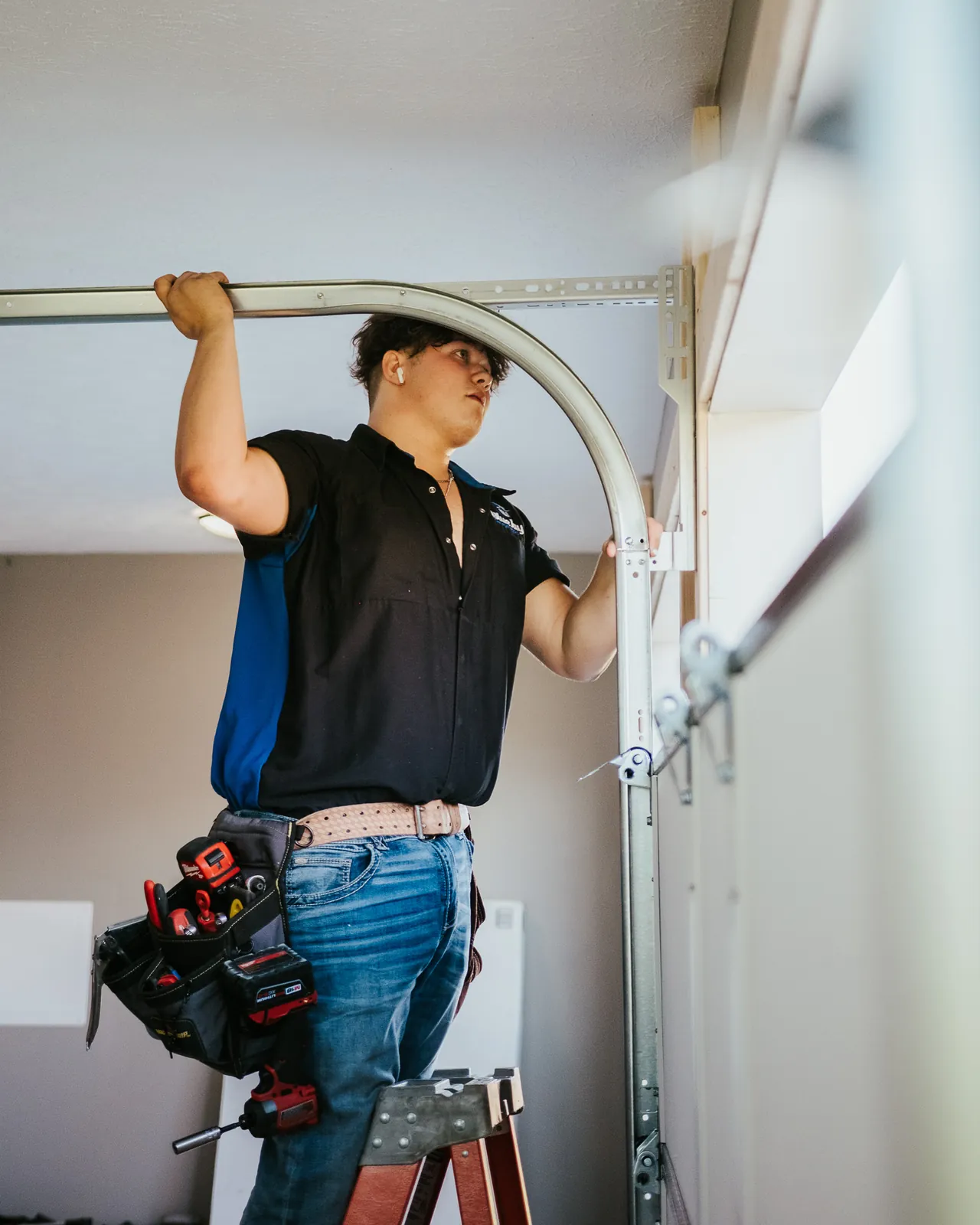
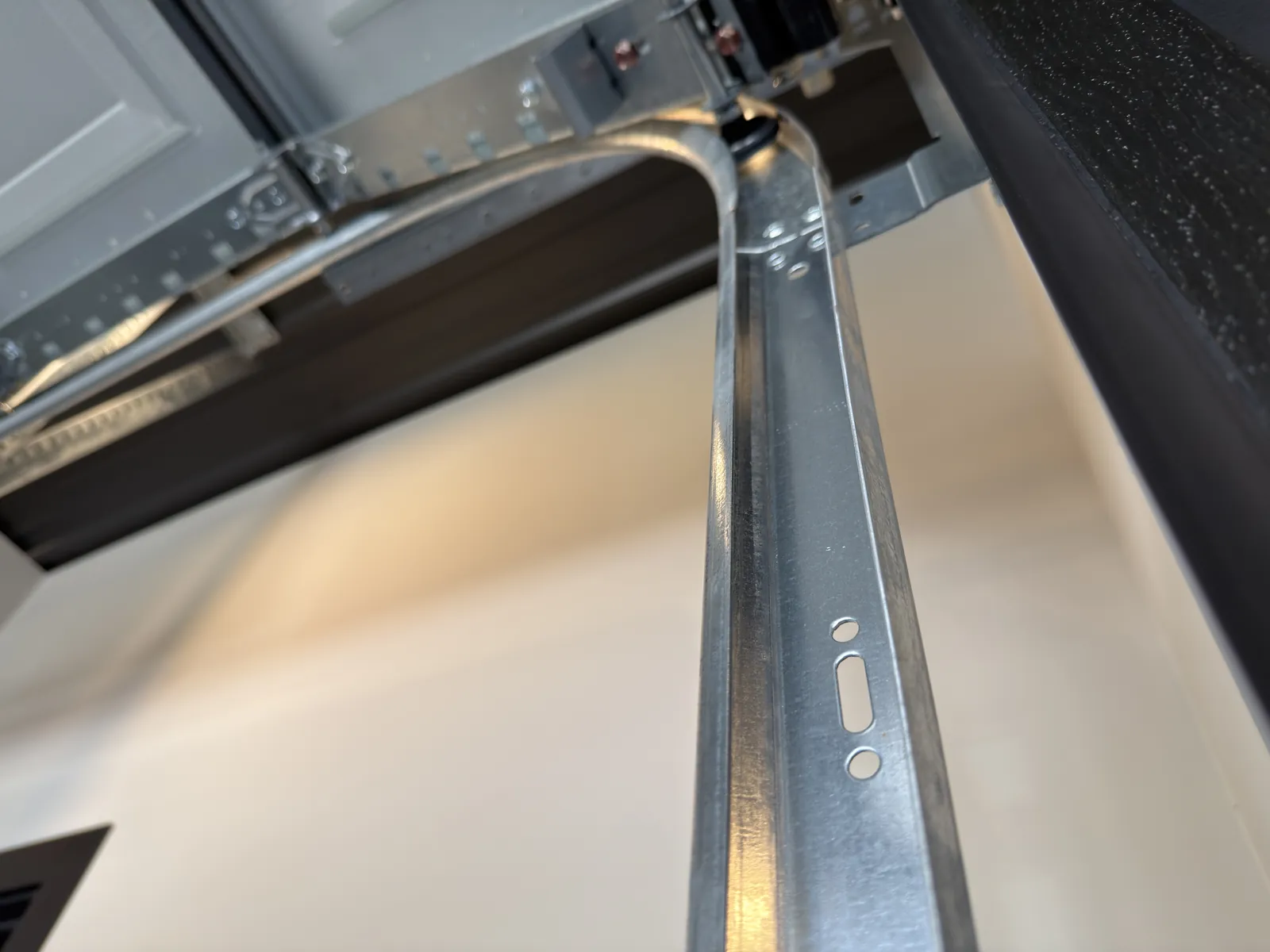
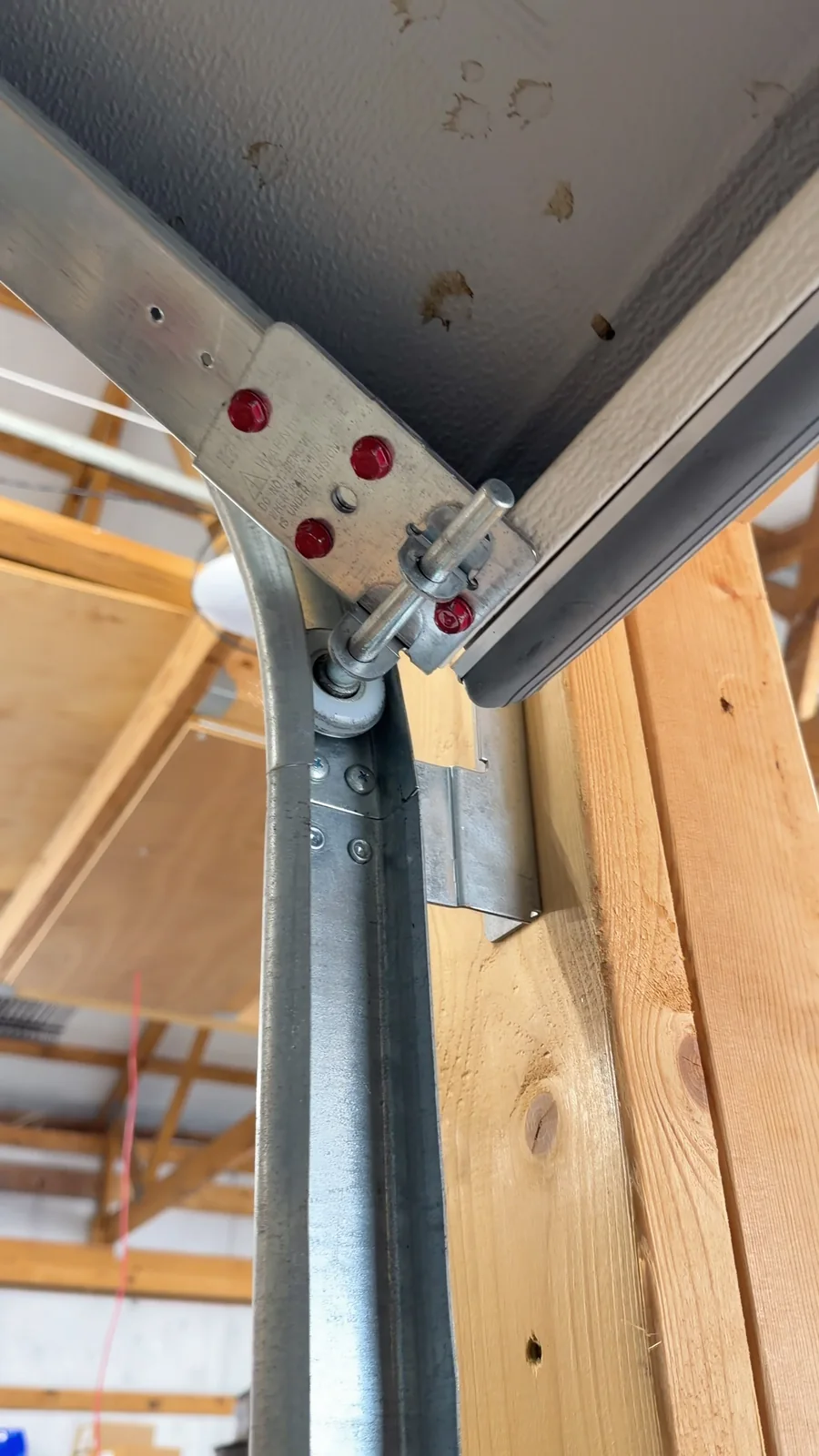
The track system is essentially a steel guideway for your garage door rollers. It consists of two main parts that work in tandem. The vertical tracks are mounted to the sides of your garage door opening, guiding the door straight up from the floor. As the door rises, the rollers transition from the vertical tracks to the horizontal tracks, which are suspended from the ceiling. These horizontal tracks guide the door to its fully open position, parallel with the garage floor. This carefully engineered path ensures the door moves in a controlled, predictable arc without sagging or swaying.
The Importance of a Well-Maintained Track System
Properly aligned and clean tracks are fundamental to your garage door's health and safety. When the tracks are in good condition, the door glides effortlessly, reducing noise and minimizing stress on other critical components like the rollers, hinges, and opener motor. Conversely, a bent or misaligned track forces the system to work harder, accelerating wear and tear and potentially leading to more extensive damage. A door that runs smoothly in its tracks also closes securely, which is vital for the security of your home. Most importantly, a functional track system prevents the door from derailing, a dangerous situation that could cause property damage or injury.
Common Signs of Garage Door Track Problems
Track issues can develop gradually from wear and tear or happen suddenly due to an impact, like a car bumping the door. Over time, vibrations can loosen the brackets that hold the tracks in place, causing misalignment. Dirt, cobwebs, and other debris can also build up inside the track channels, obstructing the rollers. Rust can form in damp environments, creating friction and weakening the steel. Being able to recognize the warning signs of a track problem can help you address it before it becomes a major failure.
- Loud scraping, grinding, or popping noises as the door moves.
- The door appears to move jerkily or hesitates in certain spots.
- Visible bends, dents, or flat spots in the metal track.
- Gaps between the rollers and the track.
- The door is crooked or hangs unevenly in the opening.
- Rollers have popped out of the track.
Safe Maintenance You Can Perform
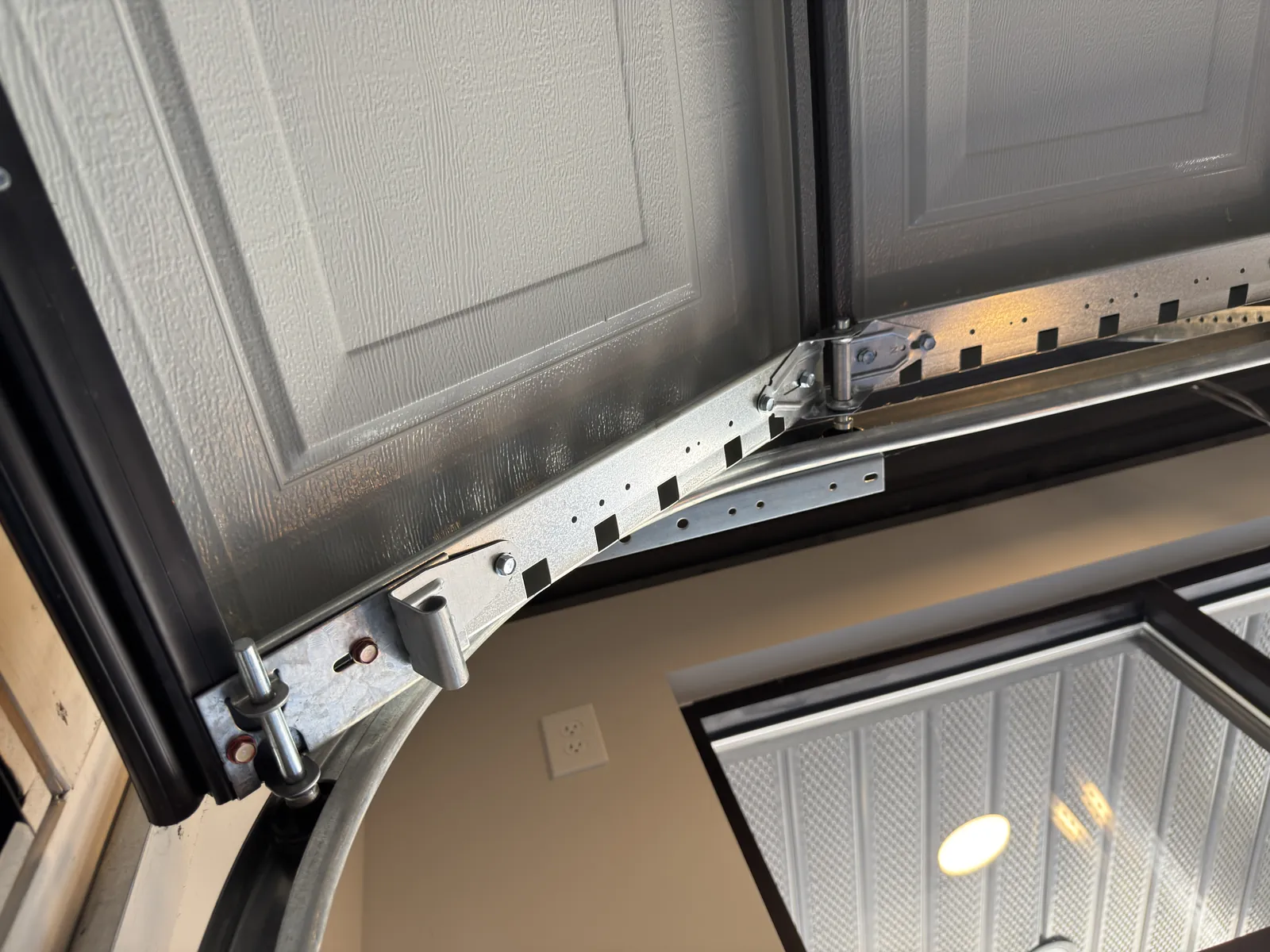
While most track repairs are for professionals, you can perform some simple maintenance to keep your system in good shape. Regular inspection and cleaning can prevent many common issues. Before any check, confirm the door is fully closed, level and undamaged; if it is crooked, off track, stuck or a spring or cable may be broken, stop, keep clear and do not pull the emergency release. If it is safe, unplug the opener so it cannot be activated while you look. This simple routine helps prolong the life of the door's components and allows you to spot potential issues early.
- Inspect: Look closely at both the vertical and horizontal tracks. Check for visible damage like dents or bends, and ensure the bolts securing the track brackets to the wall and ceiling are tight.
- Clean: Use a cloth or a shop vacuum to gently remove any dirt, leaves, cobwebs, or debris from inside the track channels. Do not use water or harsh solvents, as this can lead to rust.
- Lubricate (If Needed): Check your garage door or opener owner's manual for lubrication guidance. If recommended, apply a garage-door-specific lubricant to the door's metal hinges and roller stems. Avoid lubricating the tracks themselves, as this can attract grit and gum up the system.
When Professional Track Repair Is Necessary
Your garage door track is part of a complex system under extreme tension from springs and cables. Attempting to fix bent tracks or adjust alignment without proper training and tools is extremely dangerous. If your door is crooked, stuck, or has come off its rollers, stop using it immediately and keep the area clear. Do not try to force the door open or closed, and do not pull the emergency release cord, as the door could fall unexpectedly. A professional technician has the expertise to safely realign, repair, or replace damaged track sections without risking injury or further damage to your garage door system.