
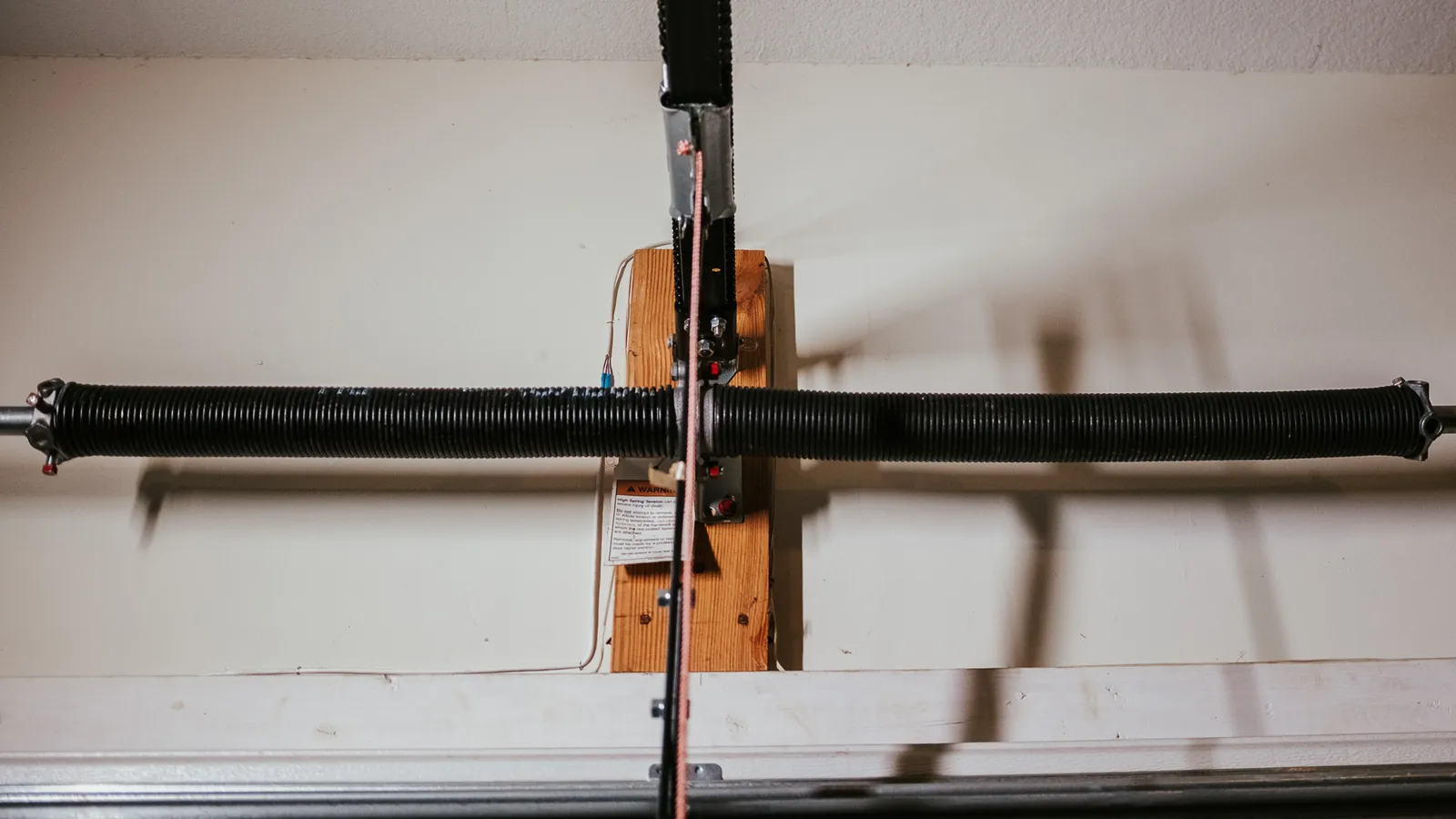
Immediate Safety Precautions for a Broken Spring
When a garage door spring breaks, the door's entire weight is no longer supported. This creates a dangerous situation that requires immediate caution. Your top priority must be the safety of your family and property. Stop using the door and instruct everyone in the household to stay clear of it until it has been professionally assessed and repaired.
- Do not operate the garage door opener. The motor is not designed to lift the door's dead weight and continuing to use it can burn out the motor or cause severe damage to the door panels and tracks.
- Do not attempt to lift the door by hand. Without the springs, the door weighs several hundred pounds and can fall suddenly, causing serious injury or property damage.
- Do not try to repair, adjust, or remove the springs, cables, drums, or bottom brackets. These components are under extreme tension and can release violently.
- Keep people, pets, and vehicles away from the garage door. Ensure the area is clear until a qualified technician can secure the site.
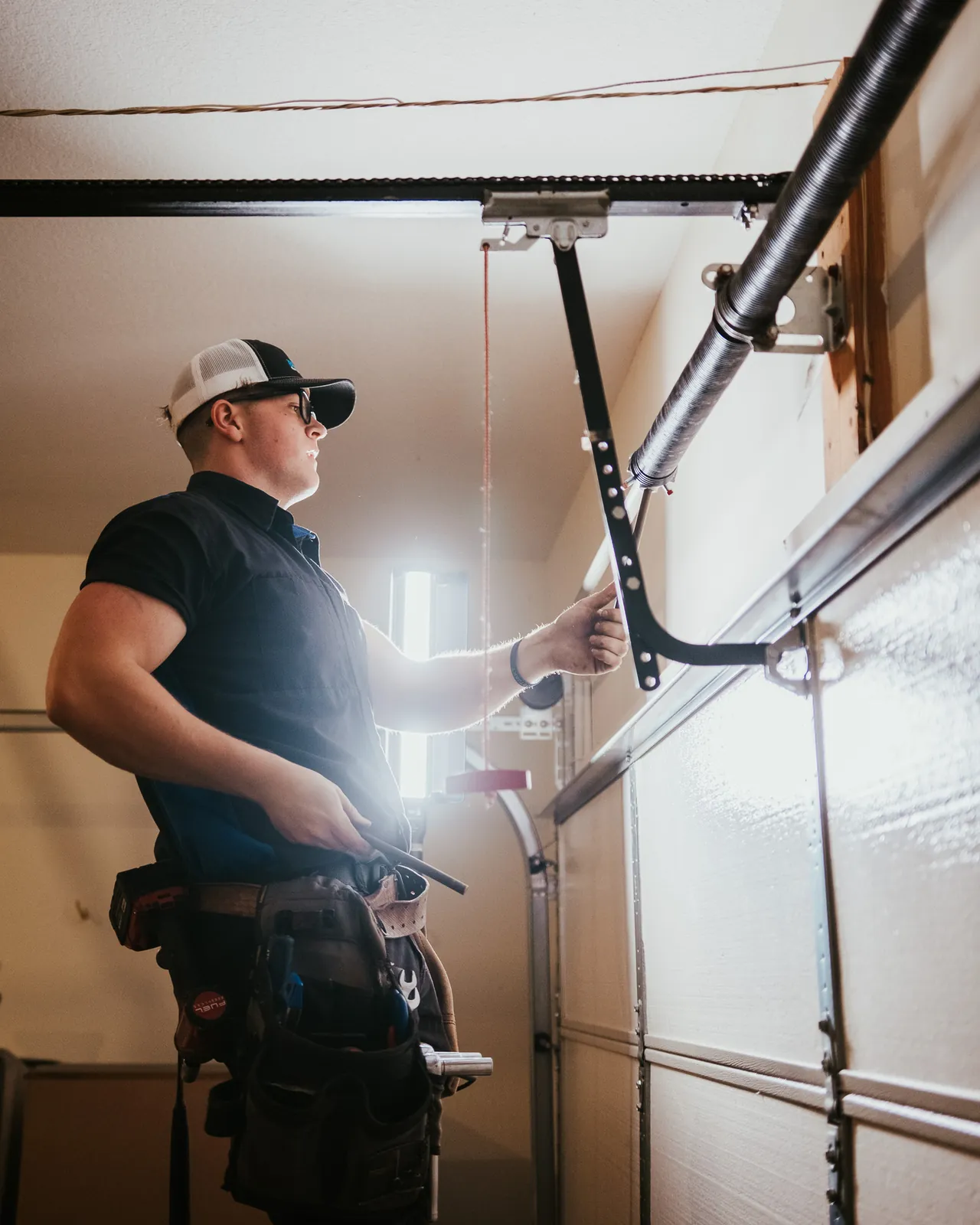
Signs Your Garage Door Spring Has Failed
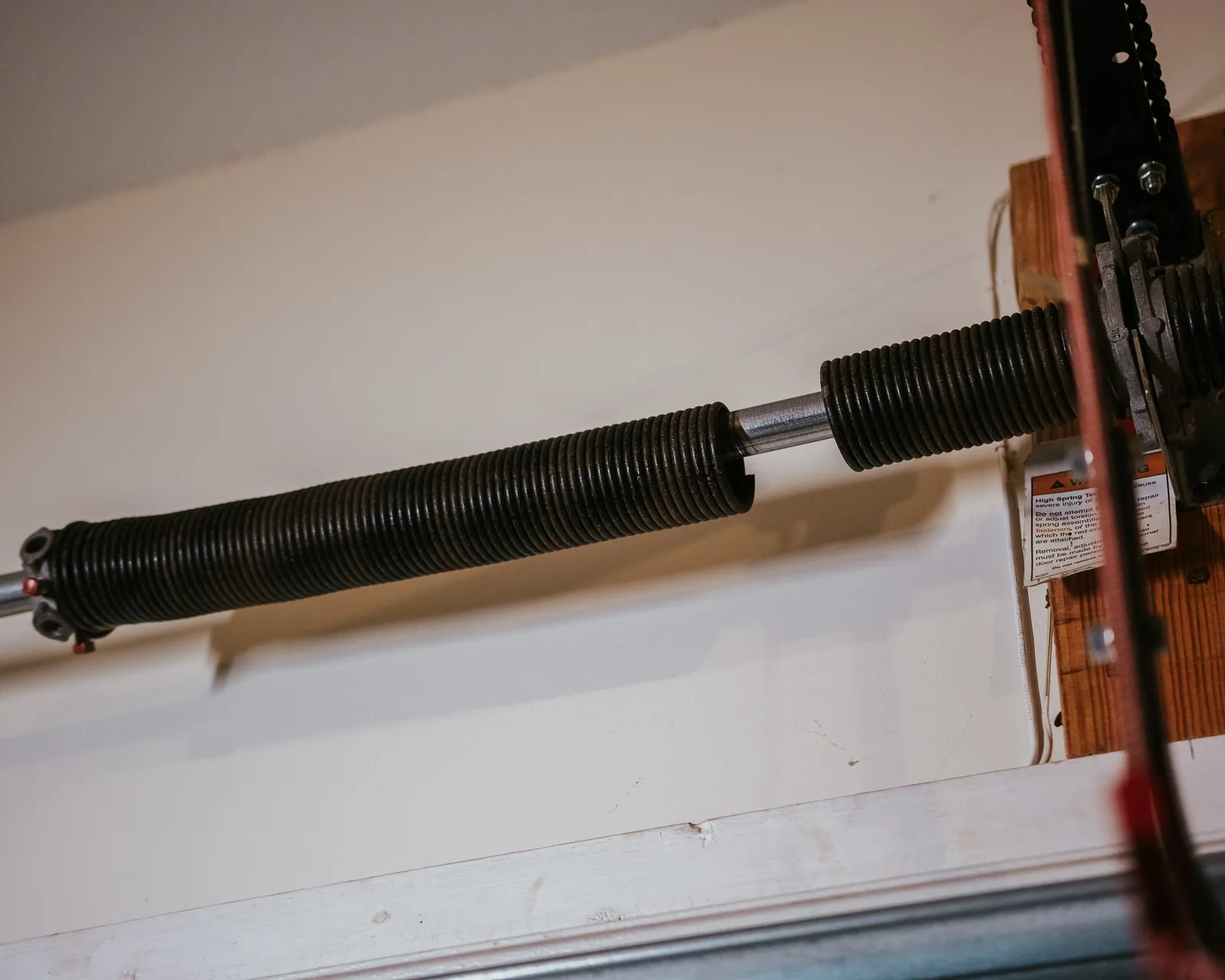
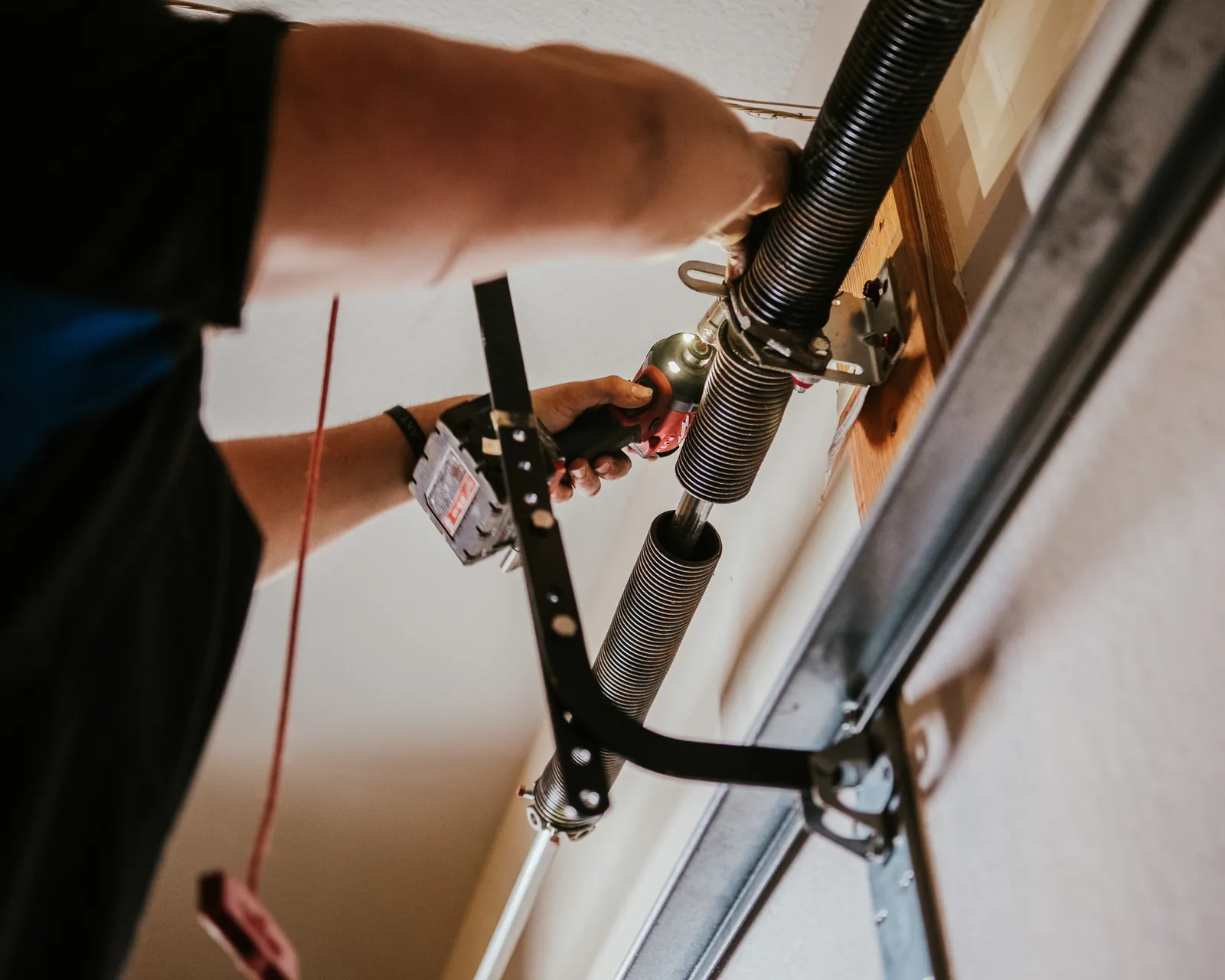
Before you look for any sign, stop using the door: do not operate the opener, pull the emergency release or try to lift the door, and keep people and pets clear. Check only by looking from a safe distance. The most dramatic sign of a broken spring is a loud noise, often described as sounding like a firecracker or gunshot. This is the sound of high-tension steel snapping. If you heard a noise like this, your first step should be to look for other clues. Most residential garage doors use torsion springs, which are long, coiled springs mounted on a metal shaft directly above the door opening. A broken torsion spring will have a noticeable gap of a few inches in the middle of the coil. Some older systems may use extension springs, which run alongside the horizontal tracks; a break in one of these can also disable the door.
- The garage door opener motor strains but only lifts the door a few inches before stopping.
- The door suddenly stopped opening normally after a loud noise.
- The top section of the garage door may appear bent or damaged from the strain of the opener trying to lift it without spring assistance.
- You can see loose and dangling lift cables on one or both sides of the door.
- The door closes much faster than usual or hangs crookedly in the opening.
Why Garage Door Springs Break
Garage door springs fail due to simple metal fatigue. Each time your door opens and closes, it completes one cycle, and springs are engineered to perform a finite number of these cycles before they wear out. This is a normal part of your garage door's lifecycle and not the result of anything you did wrong. The lifespan of a spring is determined by use, not by time alone. A household that uses the garage door frequently will go through springs faster than one that uses it sparingly. Environmental factors can also play a role. High humidity in the Middle Tennessee & Southern Kentucky region can contribute to corrosion, which may weaken the steel and lead to premature failure, especially if the springs are not maintained.
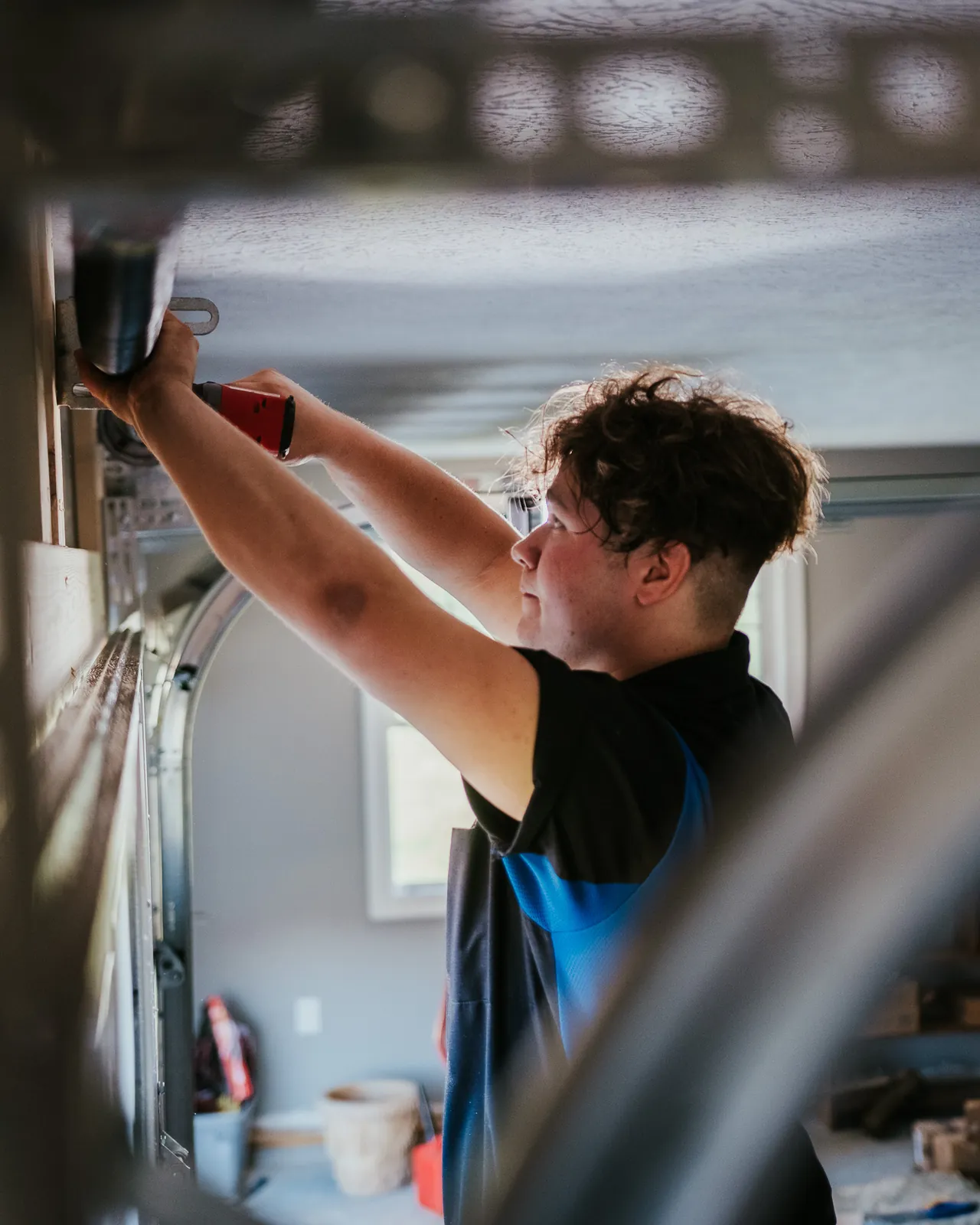
The Professional Repair Process: What to Expect
When you schedule a repair, a trained technician will address the immediate issue and perform a comprehensive inspection of your entire garage door system. A broken spring can put immense strain on other parts, so it's important to check the cables, rollers, drums, and even the opener for associated wear or damage. This holistic approach ensures that all potential problems are identified at once, preventing another service call in the near future. The technician will then walk you through their findings, explain the available solutions to restore safe operation, and wait for your approval before proceeding with any work. This ensures you are fully informed and in control of the repair process.
Why Both Springs Should Be Replaced Together
If your garage door operates with a two-spring system, it is standard practice to replace both springs at the same time, even if only one has broken. The reason is simple: both springs were installed at the same time and have endured the exact same number of cycles. The unbroken spring has the same amount of wear and is likely close to failing as well. Pairing a brand-new spring with a worn-out one creates an unbalanced system, which will cause the door to operate poorly, put excessive strain on the new spring and the garage door opener, and lead to another failure in the near future. Replacing both springs as a set ensures the door is properly balanced, functions smoothly, and provides a longer-lasting, more reliable repair.
Arrange for the Decision-Maker to Be Home
When arranging a spring repair, describe what happened and mention whether a vehicle is trapped inside. Blue Jay confirms service coverage using your exact address or ZIP. Leave the door alone while you wait rather than trying to get the vehicle out through an unsafe opening.
Plan for the homeowner or another person authorized to approve the repair to be present. The technician needs to explain the findings and available solutions to that person before work proceeds. Having someone there only to provide access may not be enough to authorize the repair.