
The Critical Role of Garage Door Safety Sensors
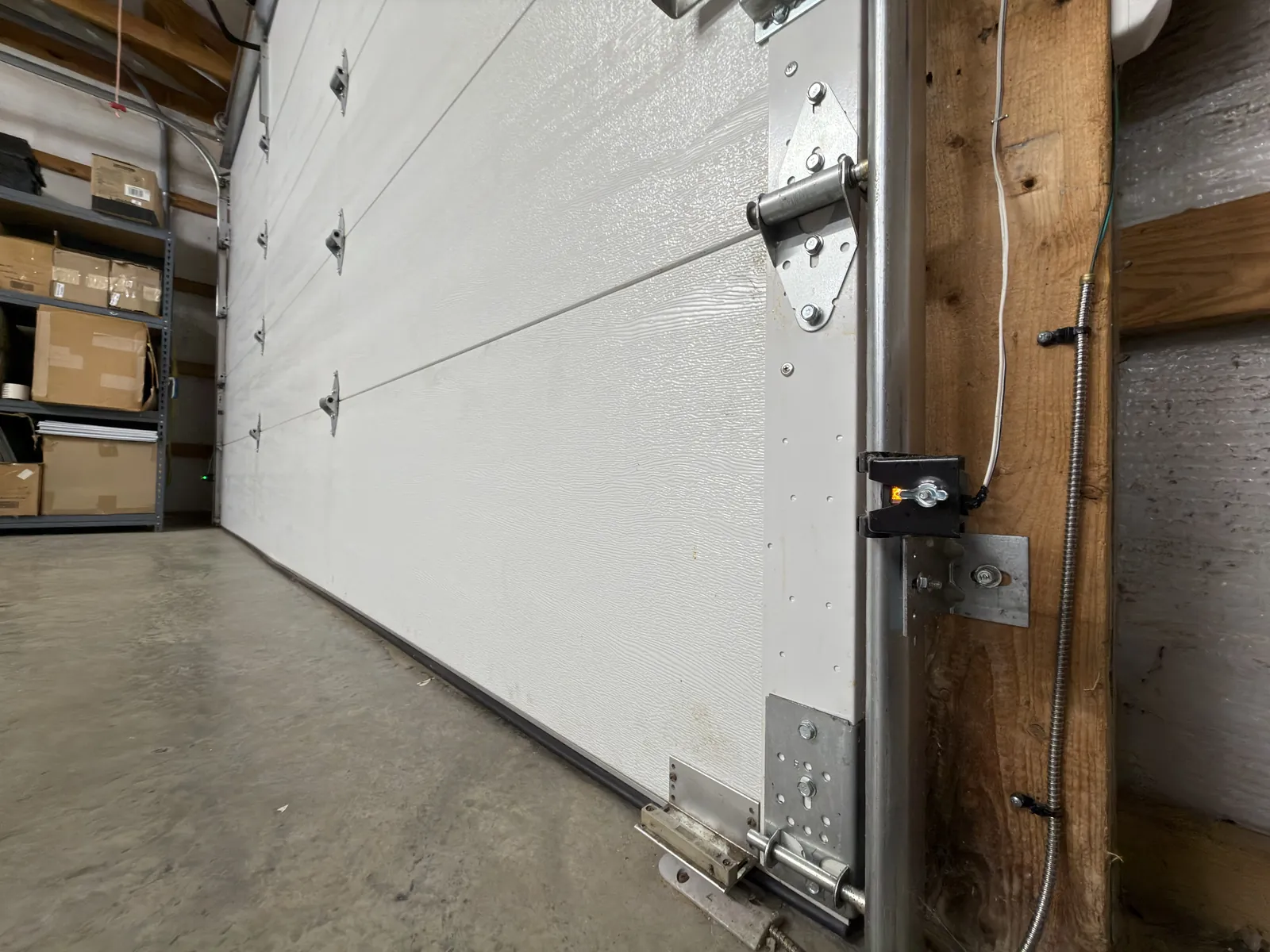
Modern garage door openers are equipped with a crucial safety feature: a pair of photoelectric sensors, often called photo eyes. Located a few inches off the floor on each side of the garage door opening, these sensors create an invisible infrared beam between them. One sensor sends the beam (the transmitter) and the other receives it (the receiver). As long as this beam is unbroken, the opener understands that the path is clear and will allow the door to close normally. This system is a fundamental safety requirement designed to protect people, especially children and pets, as well as vehicles and other property, from being caught under a closing door.
Signs of a Malfunctioning Garage Door Sensor
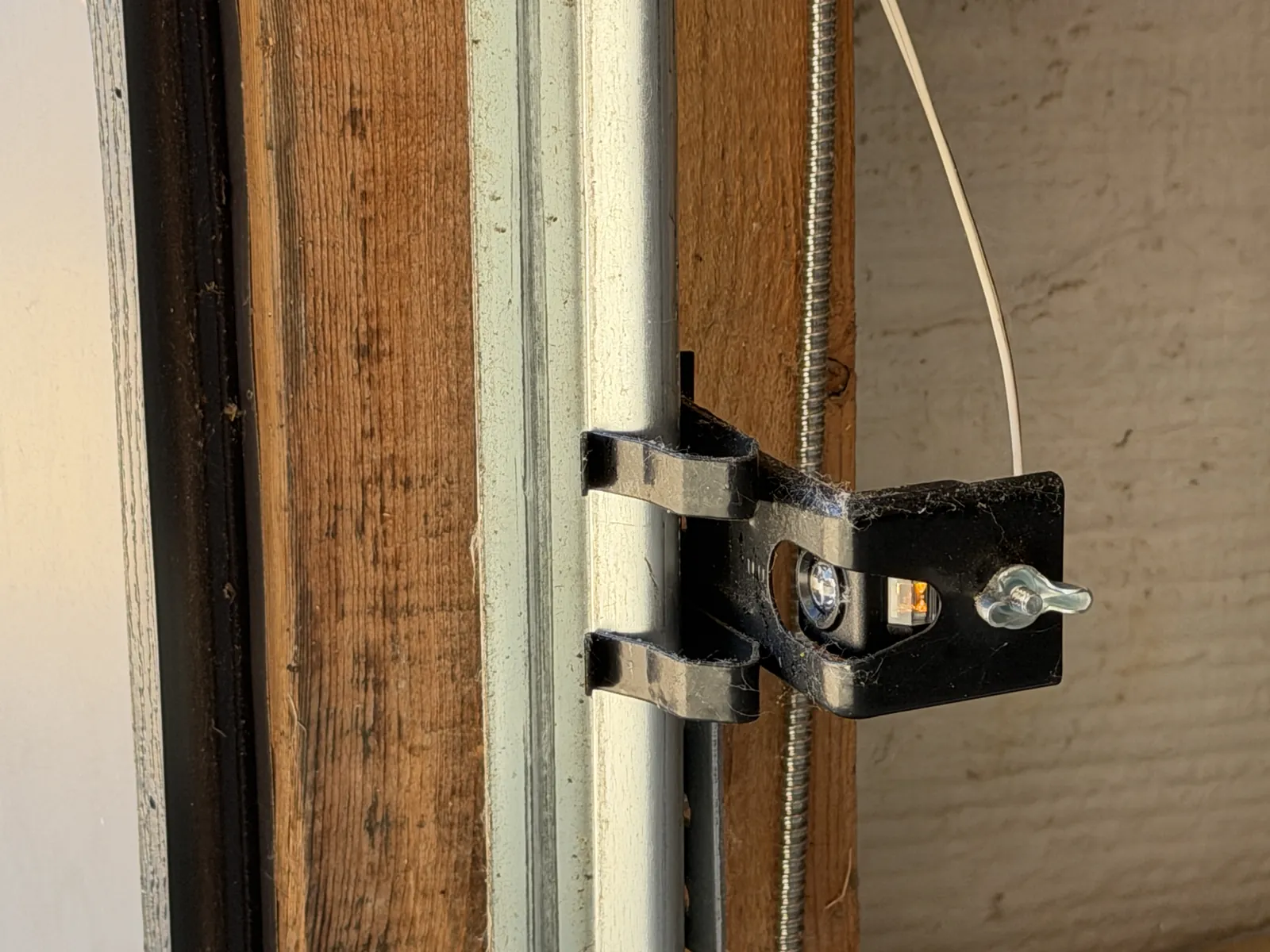
The most common symptom of a sensor issue is the garage door refusing to close. You'll press the button on your remote or wall control, and the door might start to go down an inch or two, only to immediately reverse and open fully. Often, the lights on the opener motor unit will flash a specific number of times to indicate a sensor fault—your owner's manual can help you decode these error signals. You might also notice that the small LED lights on the sensors themselves are blinking or off entirely, which is a direct sign that the sensors are not communicating with each other properly.
What to Check Before Calling for Service
If you suspect a sensor problem, the first step is to stop using the door and ensure the area is clear. Do not try to force the door closed or disable the sensors. Before calling a technician, there are a few safe troubleshooting steps you can perform that may resolve the issue without needing a service call.
- Clear the Path: Look for any objects—like tools, toys, or yard debris—that could be blocking the invisible beam between the two sensors.
- Clean the Lenses: The 'eyes' of the sensors can get covered in dust, cobwebs, or dirt. Gently wipe them with a clean, soft cloth. Avoid using harsh chemicals or abrasive materials.
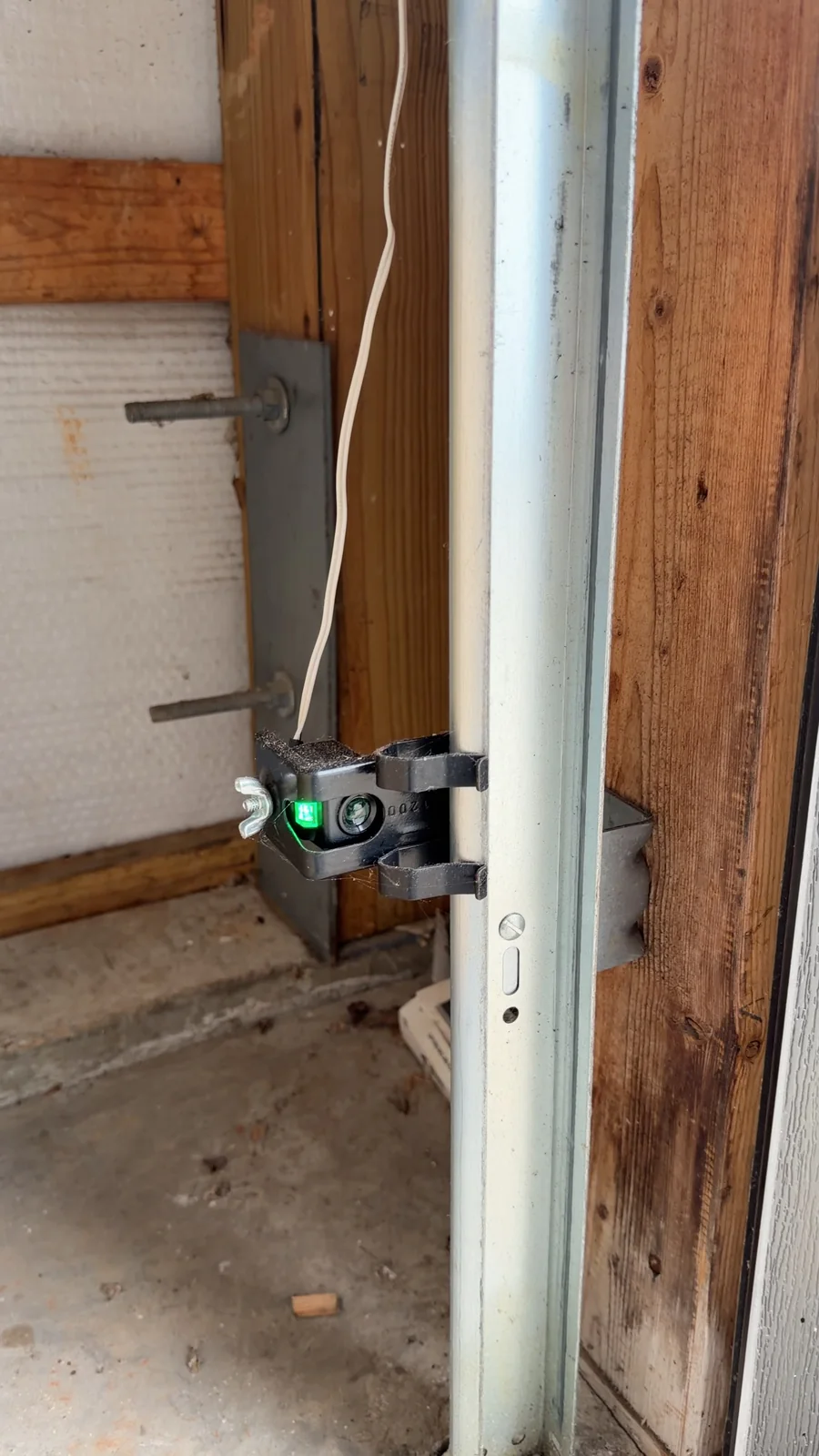
- Check Indicator Lights: Look at the small LED lights on each sensor. What the lights should show differs by brand and model; your opener manual explains yours.
- Verify Alignment: If the lights do not match your manual, a sensor may have been bumped. Follow any owner alignment step your manufacturer describes, or have a technician realign it.
- Inspect for Obvious Damage: Check for visible signs of damage to the sensors or their wiring, such as cracked lenses or cut wires. Do not touch or attempt to repair damaged wiring yourself.
When Sensor Replacement Becomes Necessary
If cleaning and realigning the sensors doesn't solve the problem, the sensors themselves might have failed. This can happen for a number of reasons. Physical impact from a car, lawnmower, or storage bin can break the internal components or the housing. Water damage from rain or hose spray can short-circuit the electronics. Even direct, prolonged sunlight can degrade the plastic lenses and internal parts over time. Furthermore, the wiring that connects the sensors to the opener motor can become frayed, corroded, or disconnected, which mimics the symptoms of a failed sensor. In these cases, a professional diagnosis is needed to determine if the sensors, the wiring, or another part of the opener system needs to be replaced.
Review garage door sensor replacement costs when comparing a repair recommendation; the diagnosed work determines the scope.
The Professional Diagnostic & Replacement Process
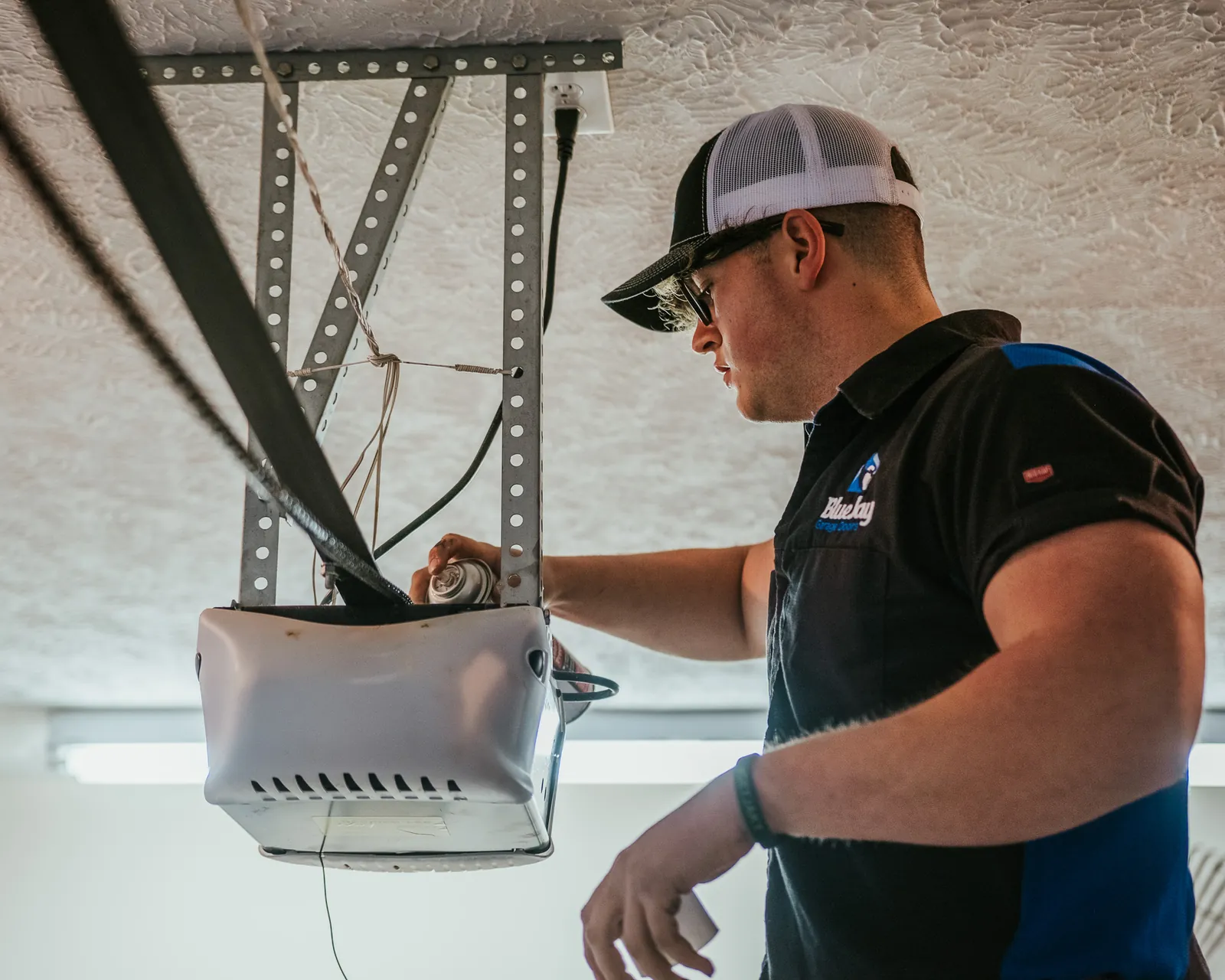
When a Blue Jay technician arrives, they will perform a full diagnostic check to confirm the root cause of the issue. This involves testing the sensors, inspecting the wiring from the sensors all the way to the motor unit, and checking the opener's logic board. This ensures the correct repair is made. If the sensors are indeed faulty, the technician will remove the old units, install a new set that is compatible with your specific opener model, and securely connect the new wiring. They will then meticulously align the new sensors and perform multiple tests on the auto-reverse safety system to verify that it is functioning correctly and protecting your home.
A Door That Stops Partway May Have a Mechanical Problem
A door that stops partway through opening or closing does not, by itself, prove that the safety sensors need replacing. A broken spring or another mechanical fault can also interrupt travel. Photoelectric sensors monitor the closing path; they do not support the door’s weight. If the door looks crooked or uneven, a cable appears loose, or you can see a gap in a spring, stop using the door and have a technician inspect it. Do not pull the opener’s release or try to lift the door by hand when spring or cable damage is suspected.